Aerodynamics have never been more critical for electric vehicles (EVs) than in 2026. With battery range, highway efficiency, and real-world performance at stake, a lower drag coefficient (Cd) directly translates to longer range, better energy efficiency, and superior high-speed stability. A viral X post by Tesla expert recently spotlighted the top 5 most aerodynamic production vehicles in 2026, revealing Chinese EV makers claiming the crown with ultra-low Cd figures previously unseen in mass production.
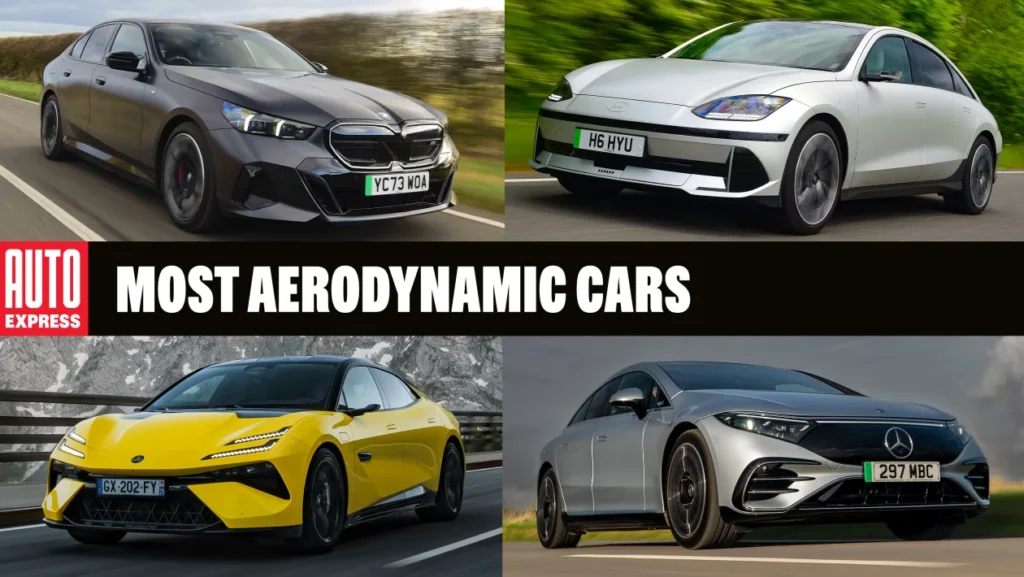
These sleek sedans and hatchbacks are pushing the boundaries of automotive engineering. But what exactly makes a car “slippery,” why does it matter for 2026 EVs, and how do these leaders stack up? Here’s a complete, SEO-optimised deep dive into the most aerodynamic cars of 2026, including verified specs, real-world benefits, and context for EV buyers.
What Is Drag Coefficient (Cd) and Why Does It Matter in 2026?
The drag coefficient (Cd) measures how easily a vehicle slices through the air. A lower number means less resistance, which is crucial at highway speeds where aero drag accounts for up to 70-80% of energy consumption in EVs.
- A teardrop shape has a theoretical Cd of ~0.04.
- Typical modern sedans hover around 0.25–0.30 Cd.
- Anything below 0.20 Cd is elite — and 2026 has multiple vehicles smashing records.
Lower Cd boosts:
- EV range (up to 60+ km extra on a single charge).
- Efficiency (saves money and reduces charging needs).
- High-speed stability and reduced wind noise.
In 2026, with more EVs targeting 400–800+ km ranges, manufacturers are obsessing over aero like never before.
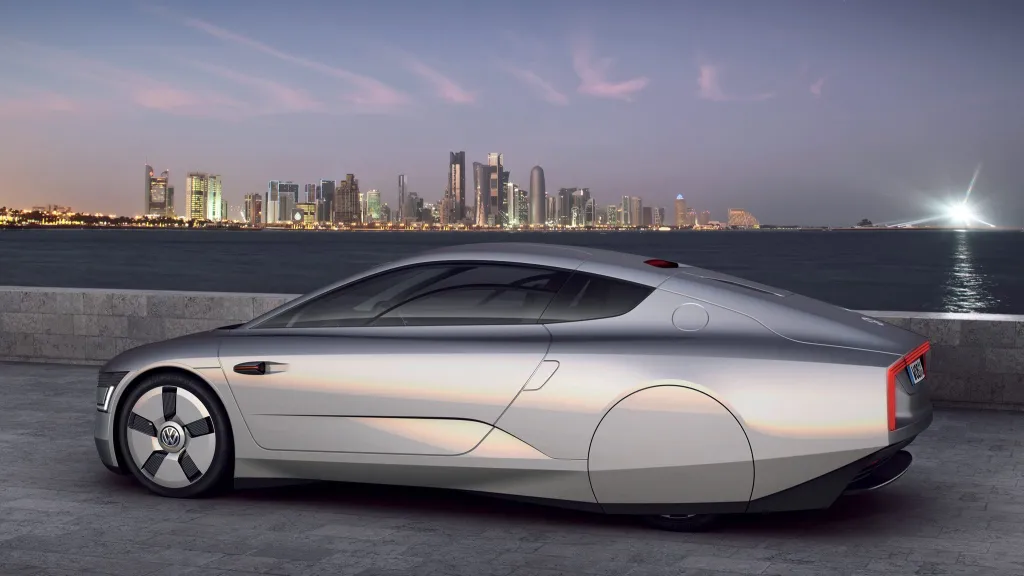
The Top 5 Most Aerodynamic Production Vehicles in 2026
Here’s the ranking based on official manufacturer-reported Cd values (noting that these are often self-measured in wind tunnels):
- Huawei Stelato S9 – 0.193 Cd
The new king of aerodynamics. This luxury executive sedan from the Huawei-BAIC collaboration features a stunning “Universe Star” design, frameless doors, digital side mirrors, and a subtle ducktail spoiler. At over 5.1 meters long, it still achieves an astonishing 0.193 Cd — the lowest among luxury sedans. Expect exceptional CLTC ranges up to 816 km in top variants and rapid acceleration. - XPeng Mona M03 – 0.194 Cd
A mass-market hero. This affordable electric hatchback underwent 15 dedicated aero optimizations, including active grille shutters and low-rolling-resistance tires. It holds the title for the lowest Cd in any mass-produced electric hatchback globally. Priced accessibly (around 100-150k RMB), it proves extreme efficiency doesn’t have to be expensive. - Xiaomi SU7 – 0.195 Cd
Xiaomi’s first EV is a Porsche-inspired stunner with semi-hidden door handles and teardrop mirrors. The 0.195 Cd helps deliver class-leading range (up to 830 km CLTC) while maintaining sporty performance. It’s a strong contender that balances beauty, tech, and efficiency. - Lucid Air – 0.197 Cd
America’s aero champion remains a benchmark. Long praised as the most aerodynamic production car in many Western markets, the Lucid Air’s slippery shape contributes to EPA ranges exceeding 430 miles. It proves U.S. luxury EVs can still compete at the cutting edge. - Mercedes-Benz EQS – 0.20 Cd
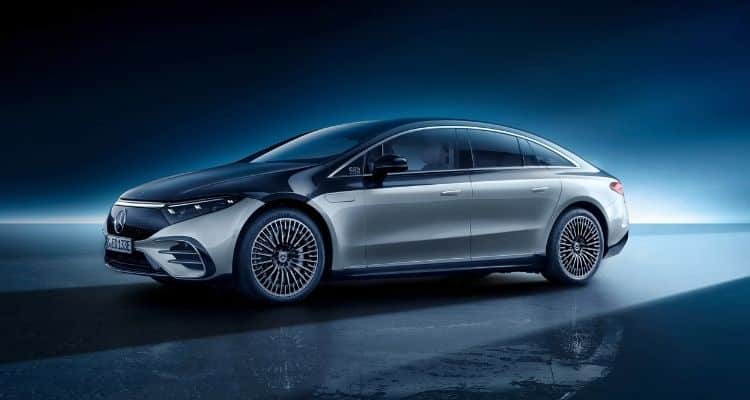
The EQS has held its place among the slipperiest luxury EVs for years. Its cab-forward design, smooth underbody, and active aero elements make it a quiet, efficient flagship for the three-pointed star.
Honorable Mention: Tesla Model S – 0.208 Cd
Still highly competitive and a favorite among enthusiasts, the refreshed Model S delivers excellent real-world performance despite sitting just outside the top 5. Tesla’s focus on overall vehicle dynamics (including downforce) keeps it relevant.
Comparison Table: 2026’s Aero Leaders
| Rank | Model | Cd Value | Key Aero Features | Notable Benefit |
|---|---|---|---|---|
| 1 | Huawei Stelato S9 | 0.193 | Digital mirrors, ducktail spoiler | Ultra-luxury efficiency |
| 2 | XPeng Mona M03 | 0.194 | Active grille, optimized body | Affordable record-breaker |
| 3 | Xiaomi SU7 | 0.195 | Teardrop mirrors, hidden handles | Sporty range king |
| 4 | Lucid Air | 0.197 | Advanced underbody panels | Best-in-class EPA range |
| 5 | Mercedes EQS | 0.20 | Smooth silhouette, active aero | Luxury quietness & comfort |
Why Are Chinese EV Brands Leading Aerodynamics in 2026?
Chinese manufacturers (Huawei, XPeng, Xiaomi) are aggressively investing in computational fluid dynamics, wind-tunnel testing, and innovative features like camera-based mirrors. This rapid iteration has allowed them to leapfrog traditional players. While some skeptics note these are self-reported figures and downforce (for handling) matters too, the numbers are impressive and independently discussed across industry sources.
Real-World Impact: How Low Cd Improves Your Drive
- Range gains: Every 0.01 Cd drop can add meaningful kilometers.
- Efficiency at speed: Highway cruising becomes far less draining on the battery.
- Sustainability: Less energy used = lower environmental impact.
Future of Aerodynamics: What’s Next?
Expect even lower Cd values from upcoming models like Tesla’s Cybercab or next-gen Roadster. Active aero, underbody flaps, and AI-optimized designs will continue evolving.
FAQ: Most Aerodynamic Cars 2026
Q: What is the most aerodynamic production car in 2026?
A: The Huawei Stelato S9 at 0.193 Cd currently leads.
Q: Is the Lucid Air still the most aerodynamic in the US?
A: Yes, in many U.S.-focused lists it remains top among widely available models, though global Chinese imports are changing the conversation.
Q: Why does Tesla Model S get an honorable mention?
A: At 0.208 Cd it’s still exceptional and delivers proven real-world performance with strong downforce characteristics.
Q: Are these Cd figures trustworthy?
A: They’re manufacturer-reported (common industry practice), but wind-tunnel standards vary. Real-world testing and CdA (drag area) provide fuller pictures.
The most aerodynamic cars of 2026 prove that EV design has reached a new golden age. Whether you prioritize luxury (Stelato S9), value (Mona M03), or proven performance (Lucid Air), these vehicles show how far aerodynamics have come.
Which of these slipperiest cars would you love to drive? Drop your thoughts below — and follow for more EV insights in 2026!