In a landmark push toward sustainable power, Tesla has activated a massive $30 million Megapack battery energy storage system (BESS) in the heart of Japan’s northern island of Hokkaido. Nestled amid snow-capped mountains and crisp winter air, the Helios project in Sapporo City marks a pivotal step in bolstering grid stability and accelerating the nation’s renewable energy ambitions.
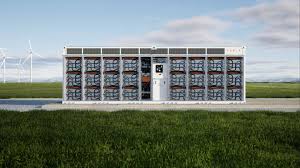
This cutting-edge installation, developed by Manoa Energy, boasts an impressive 50MW capacity and 104MWh of storage, powered by Tesla’s state-of-the-art Megapack 2XL batteries. Capable of powering thousands of homes during peak demand or outages, the system is designed to integrate seamlessly with Hokkaido’s growing renewable sources, mitigating the intermittency of wind and solar while reducing reliance on fossil fuels.
Why Hokkaido? A Strategic Hub for Tesla’s Global Energy Expansion
Hokkaido, Japan’s northernmost prefecture, is no stranger to harsh winters and energy challenges. With its remote location and heavy snowfall, the region has long grappled with power reliability issues exacerbated by climate variability. Enter Tesla’s Megapack – a modular, scalable solution that’s transforming energy infrastructure worldwide.
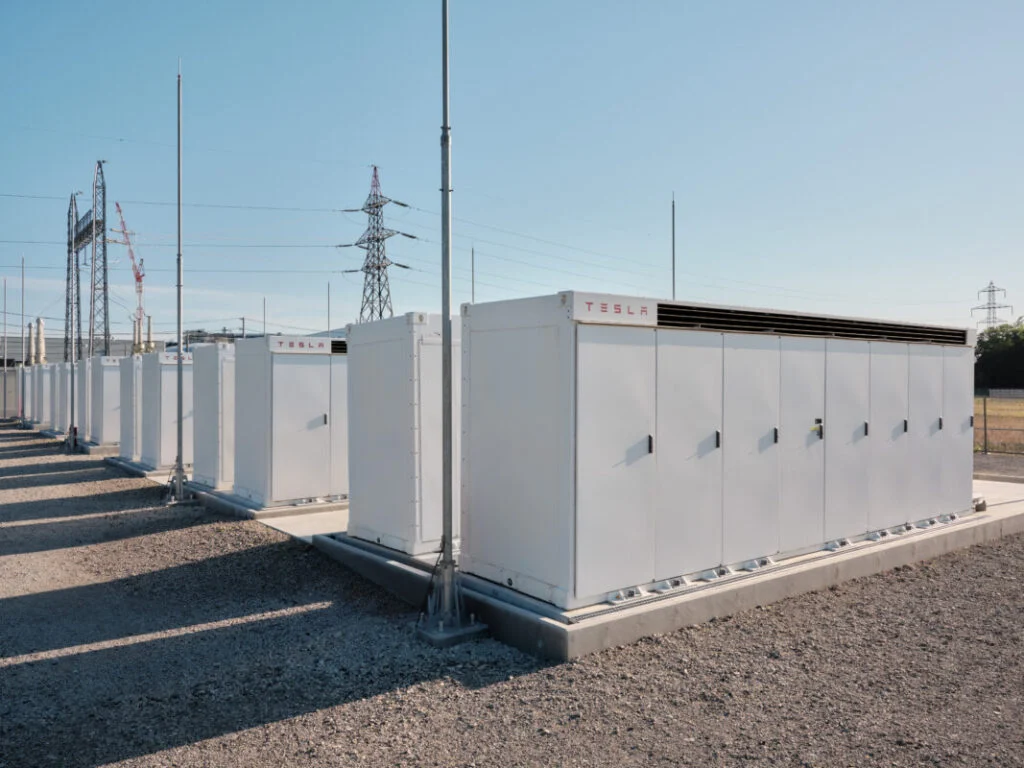
Construction on the Helios project kicked off in April 2024, with engineering, procurement, and construction (EPC) handled by industry leaders to ensure rapid deployment. The site’s striking array of white, container-like Megapacks – each emblazoned with red Japanese markings – stands as a testament to innovation meeting nature’s extremes. As seen in recent aerial imagery, the facility overlooks rugged peaks and a telecom tower, blending high-tech with Hokkaido’s pristine landscape.
This isn’t Tesla’s first foray into Asia’s energy market. The company has been steadily expanding its footprint, from massive deployments in Australia to urban integrations in South Korea. For U.S. EV enthusiasts and global clean energy advocates, the Hokkaido rollout underscores Tesla’s role in electrifying not just roads, but entire grids.
Megapack 2XL: The Powerhouse Behind Japan’s Grid Revolution
At the core of Helios are Tesla’s Megapack 2XL units – upgraded versions offering higher density, faster installation, and over-the-air software updates for optimal performance. Each pack delivers grid-scale storage in a compact footprint, making it ideal for space-constrained areas like Sapporo.
Key specs include:
- Capacity: 50MW power output / 104MWh energy storage
- Efficiency: Advanced liquid cooling for extreme temperatures, from Hokkaido’s -20°C winters to summer highs
- Sustainability: Zero-emission operation, supporting Japan’s goal of 36-38% renewable energy by 2030
- Cost: $30 million total investment, delivering rapid ROI through energy arbitrage and frequency regulation
Manoa Energy, in partnership with HD Renewable Energy’s Star Trade unit, spearheaded the initiative to enhance local grid resilience. “This project exemplifies how battery storage can unlock Japan’s clean energy potential,” a Manoa spokesperson noted in the announcement.
Broader Implications for Global Energy Storage Trends
The Helios activation comes at a critical juncture for Japan, which aims to triple its renewable capacity by 2030 amid nuclear phase-outs and rising electrification demands. Tesla’s Megapack deployments are surging globally – with over 10 GWh deployed in 2025 alone – signaling a seismic shift from traditional peaker plants to smart, renewable-backed storage.
For American readers tracking Tesla’s ecosystem, this mirrors the company’s domestic wins, like the massive Hornsdale Power Reserve in Australia (a Tesla pioneer) and recent U.S. expansions in California and Texas. As EV adoption accelerates, battery tech like Megapack is the unsung hero ensuring stable power for charging networks and beyond.
At U.S. on Wheels, we’ve chronicled Tesla’s energy pivot since our early coverage of the Shanghai Megafactory – a story that highlighted how Gigafactories fuel not just cars, but the future of power. This Hokkaido milestone reinforces that narrative: Tesla isn’t just building vehicles; it’s rearchitecting energy worldwide.
What’s Next for Tesla in Japan?
Whispers of additional Megapack sites in Kyushu and Honshu suggest Japan could host gigawatt-scale storage by 2027. With government incentives like the Green Innovation Fund pouring billions into BESS, expect more announcements soon.
Stay tuned to U.S. on Wheels for the latest in Tesla news, EV innovations, and clean energy breakthroughs. Whether you’re road-tripping in a Cybertruck or powering your home with Solar Roof, the road ahead is electric.
About U.S. on Wheels: Your premier source for U.S.-centric EV insights, Tesla updates, and sustainable mobility trends. Subscribe for weekly newsletters and exclusive interviews.