In a recent statement that underscores Tesla’s pioneering role in the electric vehicle (EV) industry, CEO Elon Musk highlighted the company’s unparalleled ambitions. “There isn’t another car company TRYING to do what we’re doing,” Musk remarked, a sentiment echoed in a viral post by Tesla analyst Nic Cruz Patane. This quote captures Tesla’s multifaceted approach, extending far beyond traditional automaking to tackle real-world challenges in AI, robotics, energy storage, and sustainable transport.
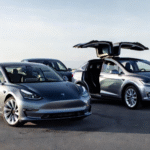
The post, featuring Tesla’s iconic lineup of vehicles—including the Model S, Model 3, Cybertruck, Model Y, and Model X—serves as a visual reminder of the company’s core EV foundation while hinting at its broader innovations. As Tesla continues to dominate the EV market in 2026, this message resonates with enthusiasts and investors alike, emphasizing why Tesla stands apart in the competitive landscape of electric vehicles, autonomous driving, and renewable energy.
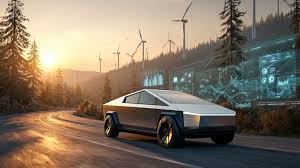
Tesla’s Groundbreaking Initiatives: From Robotaxis to Humanoid Robots
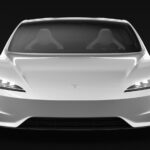
At the heart of Musk’s assertion is Tesla’s commitment to solving complex, interconnected problems. One key area is real-world AI through robotaxis. Tesla’s Full Self-Driving (FSD) technology, which recently surpassed 6.5 billion miles driven under supervision, is paving the way for fully autonomous robotaxis like the upcoming Cybercab. As detailed in our earlier coverage on What Does 6.5 Billion Miles Mean for Tesla’s Full Self-Driving, this milestone demonstrates Tesla’s rapid progress in AI-driven mobility, outpacing competitors who are still in early testing phases.
Complementing this is Tesla’s foray into humanoid robots via Optimus. Designed to perform tasks in homes and factories, these robots leverage the same AI advancements as Tesla’s vehicles. No other automaker is integrating such robotics into their ecosystem, positioning Tesla as a leader in the robotics revolution expected to transform industries by the end of the decade.
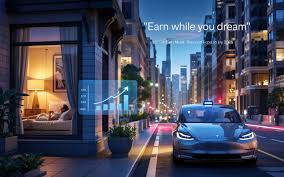
Scaling Energy Solutions: 50 GW/Year and Beyond
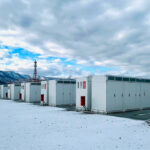
Tesla’s energy division is another pillar of its unique strategy. The company is deploying approximately 50 gigawatts (GW) of energy storage annually through products like Megapack and Powerwall. This massive scale addresses global energy challenges, enabling grid stability and renewable integration. Unlike traditional car companies focused solely on vehicles, Tesla is building a comprehensive energy ecosystem, including solar panels and virtual power plants.
This energy focus ties directly into Tesla’s electric semis, such as the Semi truck, which aims to decarbonize heavy-duty transport. With production ramping up, these vehicles represent Tesla’s push into commercial EVs, further differentiating it from rivals like Ford or GM, who lag in integrated energy solutions.
Building Solar and Sustainable Infrastructure
Tesla’s solar initiatives, including Solar Roof and large-scale installations, round out its portfolio. By combining solar generation with energy storage, Tesla is creating self-sustaining systems for homes and businesses. This holistic approach to sustainability is unmatched, as Musk’s quote implies—no other car company is simultaneously advancing EVs, AI, robotics, and renewable energy at this scale.
For more on Tesla’s recent vehicle updates, check out our article on the Tesla Launches 2026 Model Y with Black Headliner and Upgraded 16-Inch Display in China, which highlights design enhancements that could soon hit US markets.
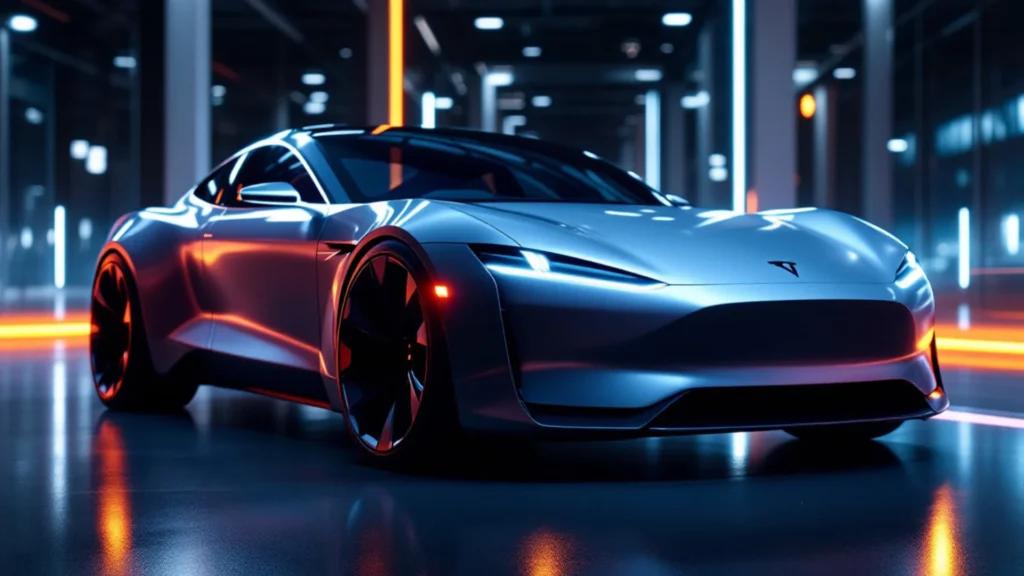
Why Tesla’s Approach Matters for the Future of EVs
In 2026, as the EV market grows amid increasing adoption rates, Tesla’s diversified strategy provides a competitive edge. While companies like Rivian or Lucid focus on niche vehicles, Tesla’s integration of AI, energy, and transport creates synergies that accelerate innovation. This not only boosts Tesla’s stock appeal but also drives the global shift toward sustainable mobility.
Recent sightings of Cybercab prototypes, as reported in our piece on Tesla Cybercab Prototypes Spotted with Cybertruck Steering Wheels, underscore the excitement building around Tesla’s robotaxi ambitions. With production set to launch soon, as covered in Tesla Cybercab Production Set to Launch in Less Than 100 Days, the company is on track to redefine urban transportation.
Elon Musk’s words remind us that Tesla isn’t just building cars—it’s engineering the future. For the latest EV news, Tesla updates, and in-depth analysis, stay tuned to USonWheels.com, your go-to source for all things on wheels in the US.