In a remarkable turnaround for American automotive manufacturing, Tesla has achieved what no traditional U.S. carmaker has done since the 1990s: claim the title of best-selling vehicle in California, the nation’s largest auto market. As highlighted in a recent Forbes article by contributor Brooke Crothers, Tesla has not only disrupted the status quo but completely reshaped California’s roads, displacing long-dominant Japanese and German brands in neighbourhoods from Los Angeles to Bel Air.
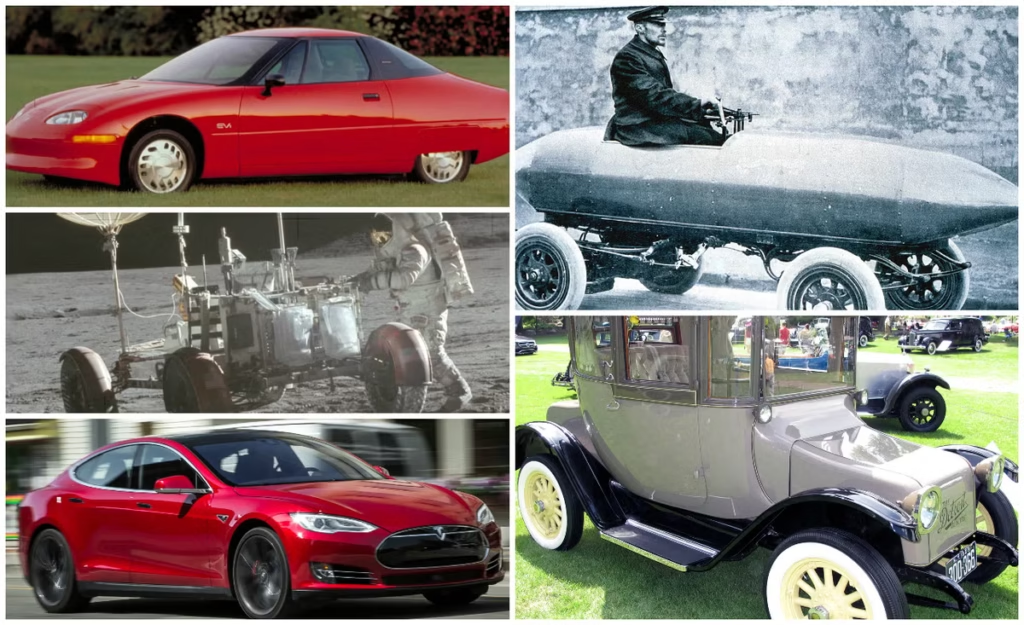
This isn’t just about electric vehicles gaining traction—it’s about an American icon proving that innovation, technology, and consumer appeal can triumph over decades of import loyalty. With the Tesla Model Y leading sales for the fourth straight year in 2025 and maintaining its dominance into 2026, the data tells a clear story of transformation.
A Historic Breakthrough for American Cars in California
California has long been a tough market for Detroit. Japanese automakers like Toyota and Honda established a stronghold in the 1960s with reliable, fuel-efficient models that appealed to the state’s high gas prices, long commutes, and eco-conscious buyers. German luxury brands followed suit, dominating upscale neighbourhoods. Traditional American manufacturers, focused on profitable trucks and muscle cars, struggled to compete.
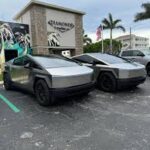
As Crothers notes in the Forbes piece, the last time an American brand likely held the top spot in California was back in the 1990s. Fast forward to today, and Tesla has “terraformed the car landscape.” In one Los Angeles community of about 400 homes, what was once filled with Japanese and German vehicles in 2014 is now overflowing with Model Ys, Model 3s, Cybertrucks, Model Xs, and Model Ss. In Bel Air, a single walk-through revealed 23 Teslas parked on the street alone.
This shift isn’t isolated. Anecdotes from Tesla owners across the state echo the same sentiment: neighbourhoods in Orange County, Roseville, Irvine, and beyond are seeing Tesla ownership rates climb to 50% or higher in some areas.
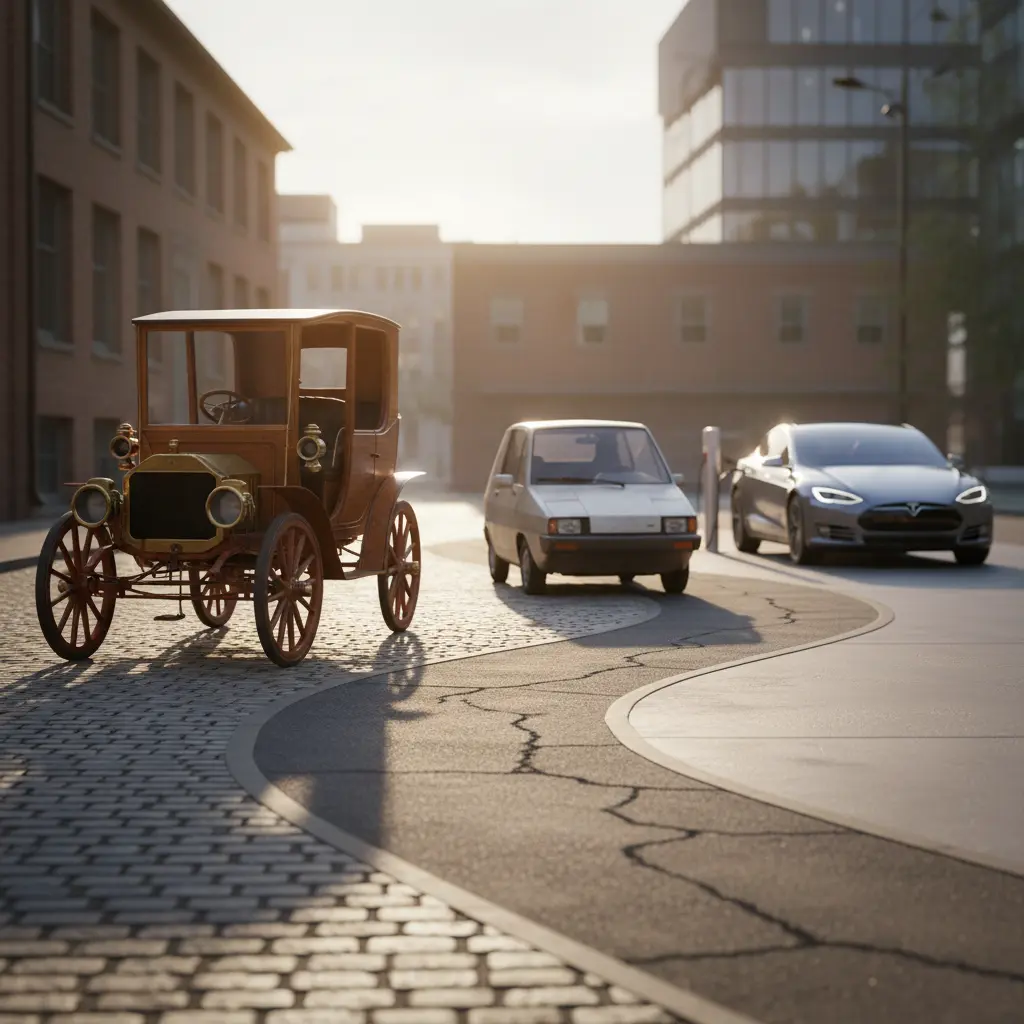
The Numbers Don’t Lie: Tesla’s Unrivalled Sales Dominance
Official data from the California New Car Dealers Association (CNCDA) backs up the hype:
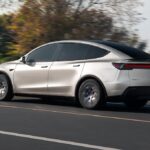
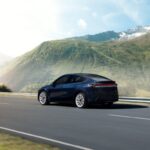
- 2025 Full Year: The Tesla Model Y was California’s best-selling new vehicle with 110,120 registrations—outselling the second-place Toyota RAV4 by more than 50,000 units. It marked the fourth consecutive year at the top. The Model 3 also cracked the top five with nearly 54,000 sales.
- Q1 2026: The Model Y continued its reign with 22,907 registrations, far ahead of the Toyota Camry (14,905), Honda Civic (12,806), and Honda CR-V (12,654). It captured over 53% of the luxury compact SUV segment.
These figures come despite challenges like production pauses for updates, political backlash, and tax credit changes. California drivers are voting with their wallets for Tesla’s blend of performance, efficiency, and cutting-edge features like Autopilot and Full Self-Driving (FSD) capability.
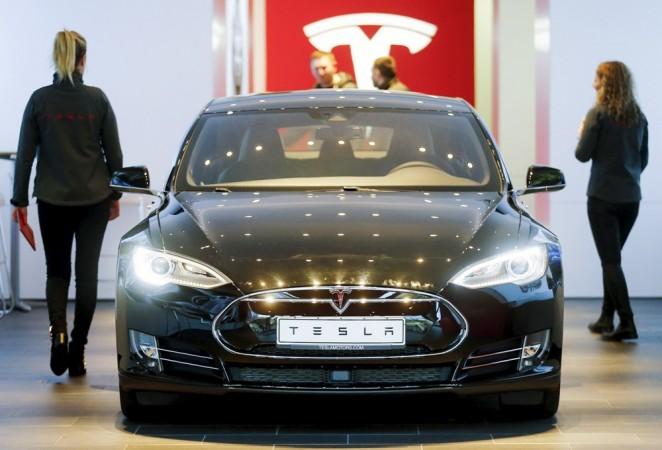
Why Tesla Succeeded Where GM and Ford Couldn’t
Experts point to several key factors behind Tesla’s unique success:
- Tech Appeal Meets Practicality: Unlike traditional automakers, Tesla positioned its cars as software-upgradable tech devices on wheels. The Model 3 (launched in 2017) dethroned the Toyota Prius as the go-to eco-friendly choice for tech-savvy buyers. The Model Y was built on that success, offering crossover versatility at an accessible price point.
- California’s Early EV Adoption: The state has always embraced green technology and new innovations. Brian Maas, president of the CNCDA, noted that “California drivers are quick to embrace new technology.” Tesla capitalised on this with aspirational models like the Model S in 2012, followed by mainstream hits.
- Displacing Imports Head-On: Jessica Caldwell, head of insights at Edmunds, explained how Japanese brands won California with reliability and efficiency (think Prius). Tesla matched that—and exceeded it—with lower operating costs, instant torque, and a premium experience. Traditional U.S. brands focused on trucks and missed the shift toward electrified, value-driven vehicles.
- Community and Infrastructure Momentum: Widespread EV charger installations in apartments and condos have accelerated adoption. Smog reduction in LA is already noticeable, adding to the appeal.
The result? Tesla didn’t just compete—it changed the game. As one observer put it, “Tesla didn’t just sell cars in California; it completely changed the culture of what an American car can be.”
What This Means for the Future of U.S. Auto Manufacturing
Tesla’s California dominance signals a broader revival for American innovation in the auto sector. While legacy manufacturers grapple with the transition to EVs, Tesla has proven that U.S.-made vehicles can reclaim market share from imports—even in the most competitive, import-heavy state.
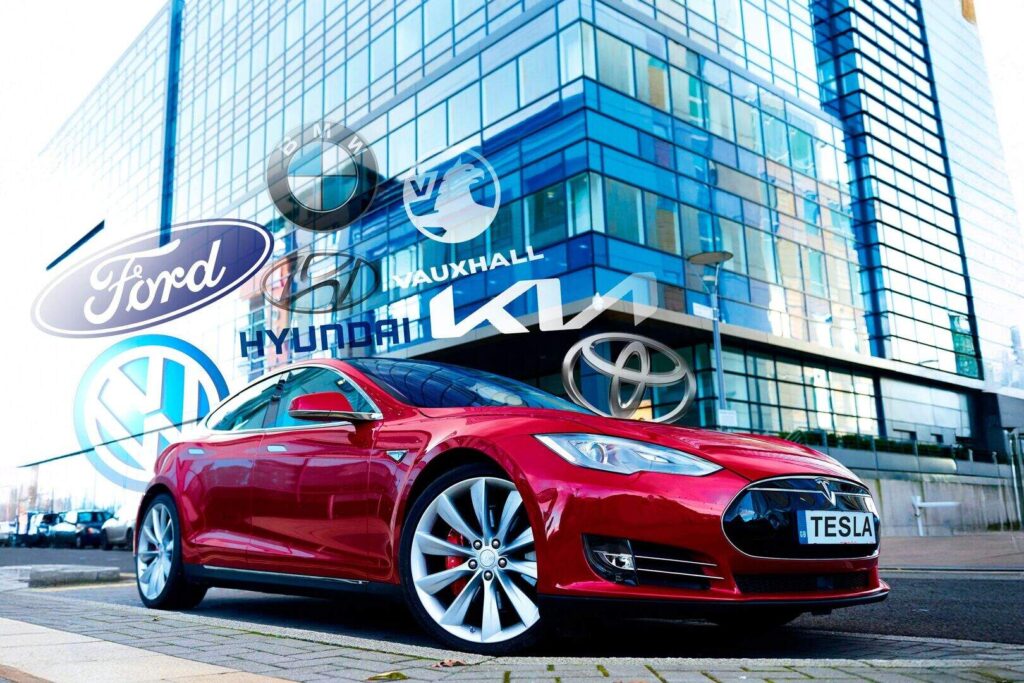
Looking ahead, with ongoing Model Y refreshes, Cybertruck growth, and expanding robotaxi ambitions, Tesla’s momentum shows no signs of slowing. California remains a bellwether for national trends, and its love affair with Tesla could pave the way for stronger EV adoption nationwide.
For drivers in the Golden State and beyond, the message is clear: the era of American car leadership is back—one Model Y at a time. If you’re considering your next vehicle, the numbers (and neighbourhoods) don’t lie. Tesla isn’t just winning in California—it’s redefining what’s possible for American autos in the electric age.