California drivers are facing a sobering reality: gas prices could climb sharply in 2026, thanks to the impending closure of two major oil refineries. With the state’s average pump price hovering around $4.30 per gallon today, experts warn of spikes up to 50 cents or more per gallon—potentially pushing costs toward $5 or even $6 in the event of disruptions. This isn’t just a blip; it’s a direct fallout from California’s aggressive push toward cleaner energy, leaving fuel supplies thinner than ever.
If you’re budgeting for your next road trip or eyeing a new ride, understanding these shifts is crucial. At UsonWheels, we’re here to break it down, verify the facts across top sources, and guide you toward smarter driving choices amid the chaos. Let’s dive into what’s happening, why it’s occurring, and how it affects your wallet—and your wheels.
Two Key Refineries Shutting Down: The Timeline and Players
California’s refining landscape is shrinking fast. The first blow lands imminently: Phillips 66’s Wilmington refinery near Los Angeles, a facility processing about 139,000 barrels of crude oil daily, is set to close permanently by the end of December 2025. This marks the end of operations for what the company calls a “challenged asset” plagued by high costs and regulatory pressures.
Hot on its heels, Valero Energy’s Benicia refinery in the Bay Area—handling around 145,000 barrels per day—will go offline in April 2026. Together, these closures eliminate roughly 17% of the state’s gasoline production capacity, leaving California with just six active refineries. This follows a string of shutdowns, including a major fire at the Martinez refinery earlier in 2025 that exposed the vulnerabilities of an already strained system.
Cross-verified across outlets like CNN Business and ABC10, these details hold firm: Phillips 66 plans to pivot to imports to fill the gap, while Valero cites “economic viability” amid soaring compliance costs. The California Energy Commission echoes that no immediate shortages are expected, but the math doesn’t lie—fewer refineries mean higher reliance on out-of-state shipments, which historically inflate prices.
Gas Price Spike Incoming: What to Expect at the Pump
Current California gas prices stand at approximately $4.30 per gallon for regular unleaded as of December 23, 2025, a stark 50% premium over the national average of $2.86. But with these closures, analysts predict an initial 50-cent jump per gallon as early as Q1 2026, driven by tighter supplies and the need for costlier imports.
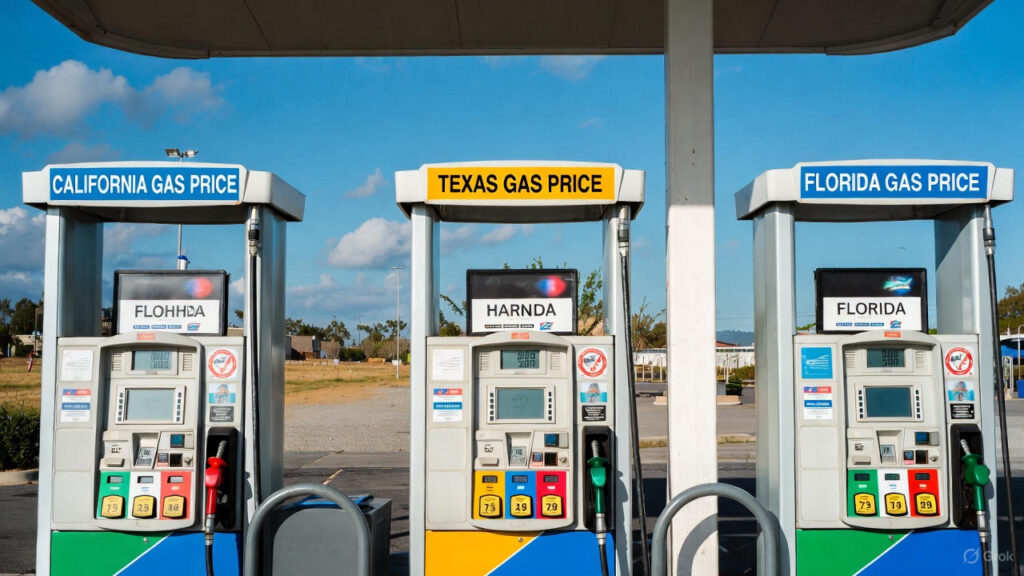
To put this in perspective, here’s a comparison of average regular unleaded gas prices across select U.S. states and the national average (data as of December 22, 2025, via AAA):
| State | Average Price ($/gallon) | Difference from National Avg |
|---|---|---|
| National Avg | $2.855 | – |
| Hawaii | $4.424 | +$1.569 |
| California | $4.310 | +$1.455 |
| Oregon | $3.523 | +$0.668 |
| Washington | $3.940 | +$1.085 |
| New York | $3.067 | +$0.212 |
| Illinois | $2.948 | +$0.093 |
| Florida | $2.862 | +$0.007 |
| Texas | $2.467 | -$0.388 |
| Oklahoma | $2.293 | -$0.562 |
In a worst-case scenario—like another refinery outage or supply chain hiccup—prices could soar to $5–$6 per gallon, a level last seen during the 2022 energy crunch. Tom Kloza, global head of energy analysis at Oil Price Information Service (OPIS), paints a grim picture: “With only six refineries left, any downtime becomes a crisis. California’s market is isolated, and imports won’t come cheap.” This aligns with projections from Lipow Oil Associates, which foresee sustained highs even as national prices dip toward $2.75.
Fact-check: AAA data confirms the $4.30 average, while the U.S. Energy Information Administration (EIA) attributes 20–25% of the premium to state taxes (nearly 71 cents per gallon) and environmental mandates, like the carbon tax. Outliers suggesting $8–$12 per gallon by late 2026 (from think tanks like USC’s Marshall School) seem alarmist, but they underscore the risk of unchecked volatility.
For everyday drivers, this means recalculating your fuel budget. A typical commuter filling up a 15-gallon tank could see an extra $7.50–$15 per visit. It’s a wake-up call to explore most fuel-efficient cars of 2025 that stretch every drop further.
The Root Cause: Regulations vs. Reality in the Golden State
Why now? Blame it on California’s green ambitions clashing with fossil fuel realities. Strict rules on low-carbon fuel blends, emissions upgrades, and the 2035 ban on new internal combustion engine (ICE) sales have made refining unprofitable. Valero and Phillips 66 aren’t alone—past exits by Chevron and others have whittled capacity by 20% since 2020.
The Western States Petroleum Association warns that these policies create an “energy island,” isolating California from cheaper national supplies. Yet, state officials counter that imports and returning capacity (like Martinez’s full restart in early 2026) will buffer the blow. EV adoption helps too: Plug-ins and full electrics now claim 25% of new car sales in 2025, per Cox Automotive, reducing long-term gas demand.
Still, with only 6% of vehicles on roads being EVs, gas guzzlers dominate for years to come. This tension is fueling national security jitters, as lawmakers fret over import dependencies. Verified via the Institute for Energy Research and Breakthrough Fuel, the consensus is clear: Policy-driven closures are trading short-term pain for long-term sustainability—but drivers pay the price today.
What This Means for California Drivers: Tips to Stay Ahead
Higher gas bills sting, but they’re also a nudge toward smarter mobility. Short-term, stock up on rewards apps and hunt for stations with the lowest prices via tools like GasBuddy. Long-term, consider hybrids or EVs to dodge the volatility—especially with California’s robust incentives.
Ready to electrify? Check our California EV incentives guide for rebates up to $7,500 on qualifying models. Or weigh the trade-offs in our deep dive on pros and cons of switching to electric vehicles. These shifts aren’t just about saving cash; they’re about future-proofing your garage against California’s evolving energy scene.
The Road Ahead: Balancing Green Goals and Gas Realities
California’s refinery closures signal a pivotal moment in the state’s decarbonization drive, but they’re no free lunch. With verified risks of 2026 price surges from $4.30 to $5+, drivers must adapt—whether by optimizing efficiency or accelerating the EV switch. At UsonWheels, we’re committed to keeping you informed and equipped for whatever the pump throws your way.
Stay tuned for updates as these closures unfold, and drop a comment: How are rising prices affecting your drive? Share your thoughts below.
Sources: This article draws on reporting from CNN Business, CarScoops, ABC10, EIA, and AAA for fact-checked insights.