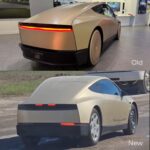
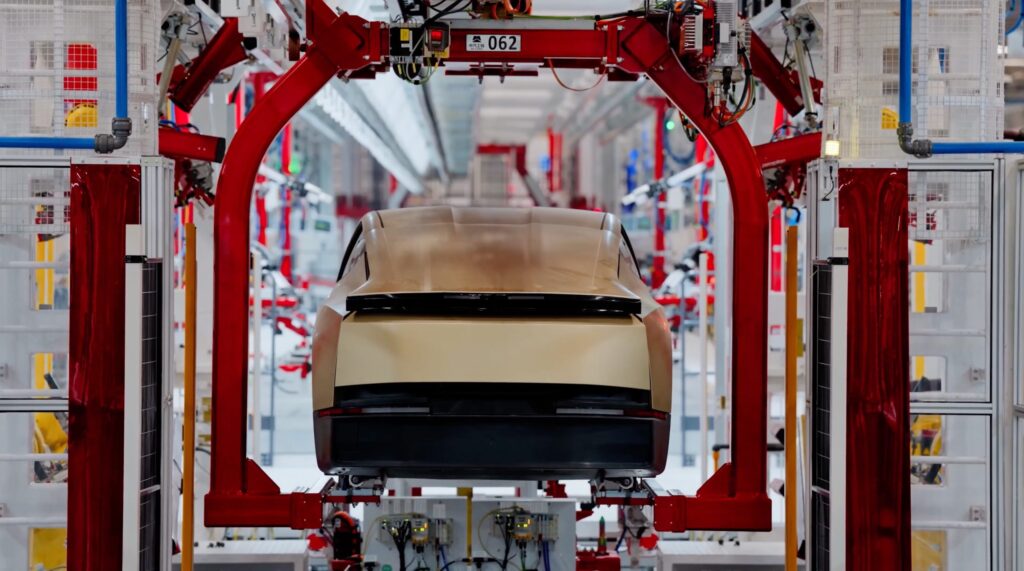
In a groundbreaking update for the electric vehicle (EV) industry, Tesla is poised to commence production of its highly anticipated Cybercab robotaxi in under 100 days. This milestone, revealed by Tesla enthusiast and news curator Sawyer Merritt on X (formerly Twitter), marks the debut of Tesla’s innovative unboxed manufacturing process, promising unprecedented efficiency in vehicle assembly.
The announcement highlights that one Cybercab could roll off the production line in under 10 seconds, a dramatic improvement over the 34 seconds required for the Model Y. Tesla’s long-term goal aims for an even faster cycle time of approximately 5 seconds, potentially revolutionizing mass production in the automotive sector. This unboxed approach, which assembles vehicles in parallel modules rather than traditional sequential lines, is expected to reduce costs and boost output significantly.
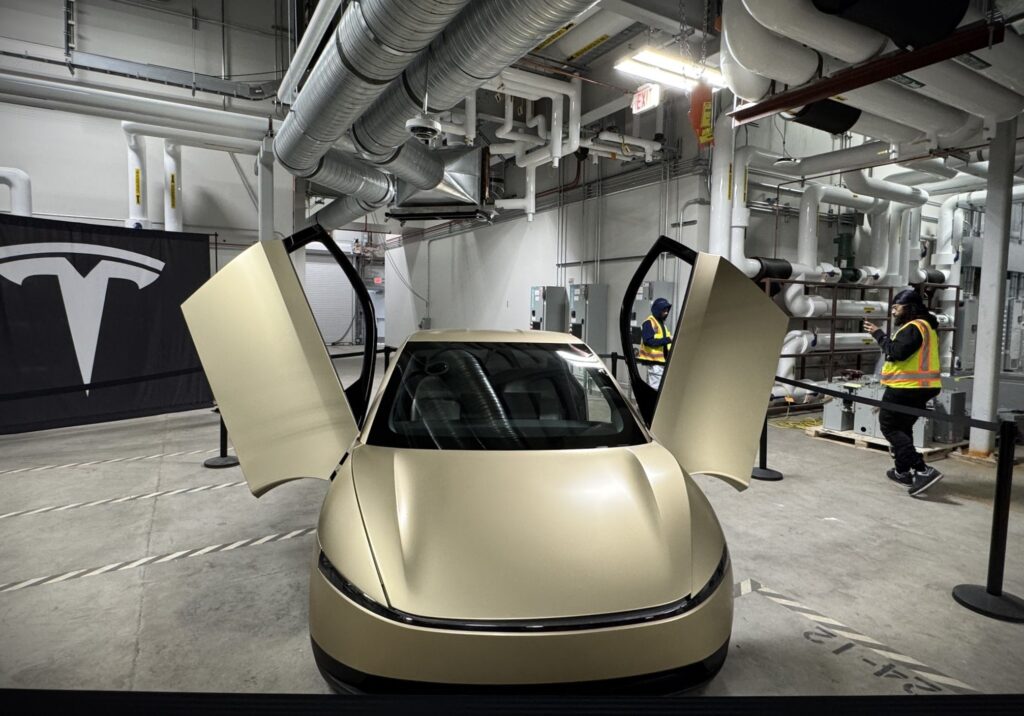
Elon Musk, Tesla’s CEO, has previously confirmed that Cybercab mass production is targeted for Q2 2026, aligning with an April start date. Recent sightings of Cybercab prototypes in cities like Austin and Chicago underscore the vehicle’s rapid development, with features such as wireless charging achieving over 90% efficiency and adaptations for winter conditions. These advancements position the Cybercab as a cornerstone of Tesla’s shift toward AI-driven autonomy and robotics.
Building on our earlier coverage at US on Wheels, where we explored the Cybercab’s stunning size comparison to the Model Y—highlighting 60% fewer body parts for a sleeker robotaxi design—this latest news amplifies excitement around Tesla’s autonomous fleet. As reported in our article “Tesla Cybercab Spotted Cruising Next to Model Y,” the vehicle’s compact form factor is optimized for urban ride-hailing. Similarly, our piece on “Tesla Cybercab Wireless Charging: Over 90% Efficiency Set to Transform Autonomous Vehicles” delved into how this technology could eliminate traditional charging hassles, further enhancing the Cybercab’s appeal.
The Cybercab, unveiled at Tesla’s “We, Robot” event in October 2024, is designed as a fully autonomous two-seater with no steering wheel or pedals, priced around $30,000. Tesla aims for an annual production capacity of up to 2 million units once multiple factories reach full scale, surpassing competitors like Waymo in scalability. Initial rollout is likely to focus on Tesla’s own ride-hailing network in key markets such as Austin, before expanding to customer sales.
This development comes amid Tesla’s broader push into robotaxis, with the company planning expansions to cities like Las Vegas, Phoenix, Dallas, Houston, and Miami. As EV adoption accelerates in the US, the Cybercab’s efficient manufacturing could lower barriers to entry for autonomous transportation, potentially disrupting traditional ride-sharing services.
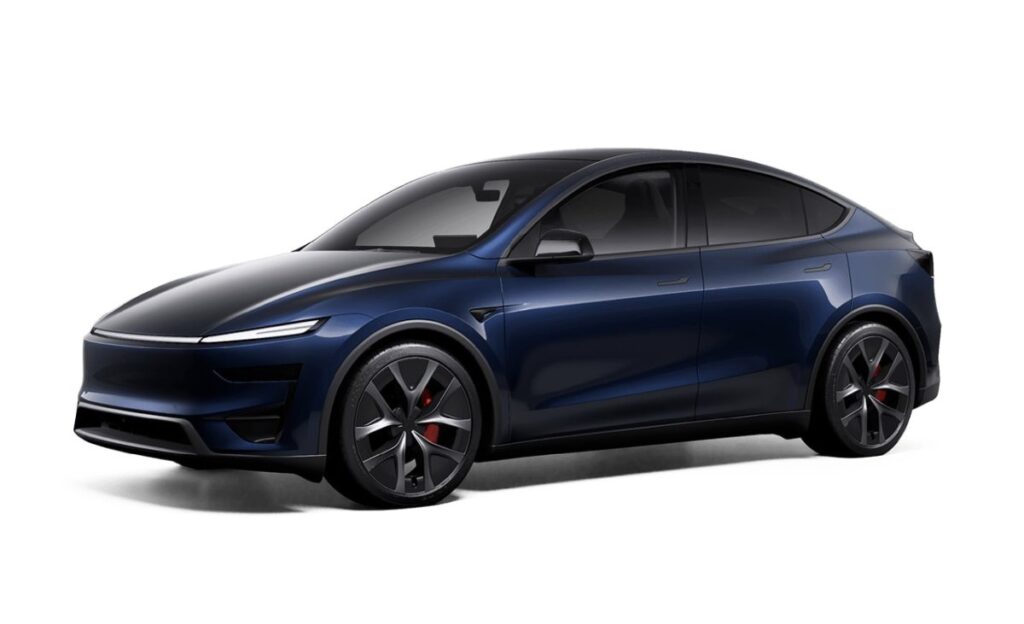
Stay tuned to US on Wheels for more updates on Tesla innovations, including our recent features on the new Marine Blue Model 3 color option and fan-inspired concepts like the Tesla Semi RV. For EV enthusiasts tracking the future of mobility, the Cybercab’s imminent production is a game-changer not to be missed.