In the rapidly evolving world of electric vehicles (EVs) and autonomous driving, Tesla continues to push boundaries with innovative technologies. The latest buzz surrounds the Tesla Cybercab’s wireless charging system, which promises efficiency “well over 90%,” according to recent statements from the company. This development could make wireless charging ubiquitous for autonomous vehicles, allowing cars to recharge automatically without human intervention. As shared in a recent tweet by Tesla enthusiast Nic Cruz Patane, this tech enables vehicles to head off to charging stations on their own after dropping off passengers, eliminating idle time and boosting fleet efficiency.
The announcement aligns with Tesla’s vision for a future dominated by robotaxis and self-driving cars. With no physical charging port on the Cybercab, inductive wireless charging becomes the sole method for powering up these autonomous EVs. This shift not only simplifies vehicle design but also enhances user convenience, making it a game-changer for urban mobility and ride-sharing services.
Tesla’s Wireless Charging Breakthrough: Efficiency and Speed Details
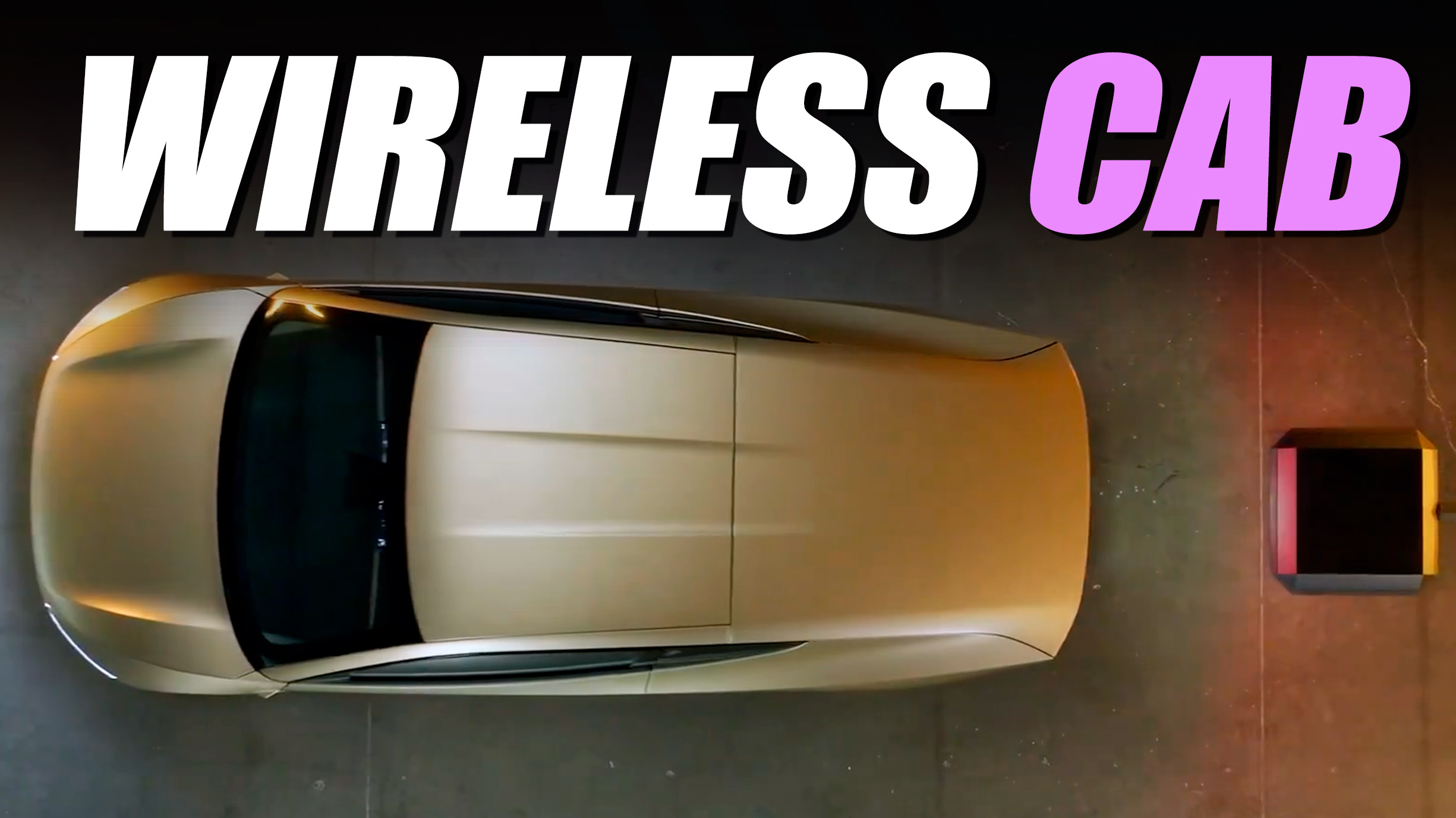
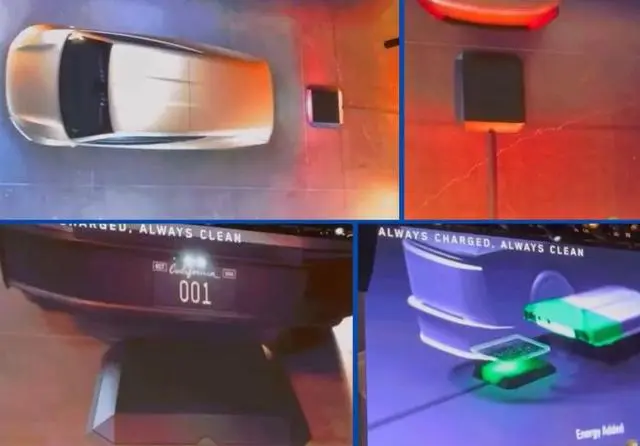
Tesla has demonstrated its wireless charging capabilities in an official demo video, showcasing charging speeds up to 25 kW at 35% state of charge (SoC). This inductive system, which uses electromagnetic fields to transfer energy without cables, addresses common concerns about wireless charging, such as energy loss during transmission. Tesla claims the efficiency exceeds 90%, debunking myths that wireless methods are inherently less effective than wired ones.
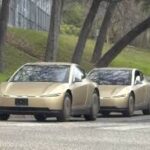
In the tweet from Nic Cruz Patane, a deep-dive Tesla analyst, he highlights how this technology will integrate seamlessly with autonomous vehicles: “When you get dropped off at your location, you will be able to send your car off to charge automatically. Cars won’t need to sit idle anymore.” The accompanying image shows a fleet of gold-colored Cybercabs parked in a garage, likely over charging pads, illustrating the practical application of this system in parking lots or dedicated charging hubs.
This isn’t just hype—Elon Musk himself emphasized during the Cybercab reveal that wireless charging is a core innovation, hidden beneath the vehicle’s sleek exterior. Compared to traditional EV charging, where drivers must plug in manually, this autonomous-friendly approach could reduce downtime for robotaxi fleets, potentially increasing revenue for operators by keeping vehicles on the road longer.
Implications for the EV and Autonomous Vehicle Market
The rise of wireless charging in autonomous vehicles like the Tesla Cybercab could accelerate the adoption of EVs across the US. Imagine a world where your self-driving car drops you at work and then navigates to the nearest wireless charging station, topping up its battery without any cords or plugs. This eliminates the hassle of finding charging spots and dealing with cables, a common pain point for current EV owners.
For fleet operators, such as those in ride-hailing services, this means higher utilization rates. Vehicles won’t languish in parking spots waiting for manual charging; instead, they’ll autonomously seek out power, optimizing energy use and reducing operational costs. As one Reddit user noted during discussions on Tesla’s Robotaxi reveal, inductive charging is essential for robo-taxis to operate unattended, making it a “secret star” of the technology.
This builds on Tesla’s ongoing advancements in EV technology. As we explored in our previous article on Tesla Cybercab Prototypes Spotted with Cybertruck Steering Wheels: What It Means for Testing and Production Robotaxis, prototype testing has already hinted at integrated features like this. Similarly, our coverage of the Stunning Matte Black Tesla Cybercab with White Interior: Fan Render Sparks Excitement Among EV Enthusiasts shows how design innovations complement these functional upgrades.
Challenges and Future Outlook for Wireless EV Charging
While the efficiency claims are impressive, wireless charging isn’t without hurdles. Current prototypes show 25 kW speeds, which is slower than Tesla’s Supercharger network (up to 250 kW), but sufficient for opportunistic top-ups in parking scenarios. Infrastructure will need to evolve, with charging pads installed in garages, streets, and lots—potentially at a cost.
However, Tesla’s track record suggests rapid progress. The company has been developing inductive charging for years, and the Cybercab’s port-less design forces innovation forward. By 2027, we could see widespread adoption, especially as autonomous vehicles become mainstream.
For comparison, here’s a quick breakdown of charging efficiencies:
| Charging Method | Typical Efficiency | Speed Example |
|---|---|---|
| Wired (DC Fast) | 95-98% | Up to 250 kW |
| Wireless (Inductive) – Tesla Cybercab | >90% | Up to 25 kW (demo) |
| Standard Home Wired | 85-95% | 7-11 kW |
This positions the Cybercab as a leader in efficient, hands-free EV charging.
Why This Matters for US EV Enthusiasts
As the US shifts toward sustainable transportation, technologies like Tesla’s wireless charging for autonomous vehicles will play a pivotal role. It not only enhances convenience but also supports broader goals of reducing emissions and improving urban efficiency. For more on Tesla’s latest innovations, check out our article on Breaking News: Tesla Self-Driving Model Y Spotted at Las Vegas Loop, where we discuss real-world testing of autonomous features.
Stay tuned to USonwheels.com for the latest in EV news, cars, and bikes. What do you think about wireless charging becoming standard for autonomous EVs? Share your thoughts in the comments below!