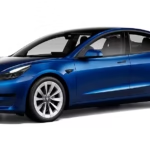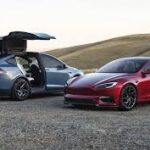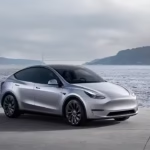
Today, April 1, 2026, marks the official start of Q2 — and with it, the final chapter for Tesla’s flagship Model S and Model X. Production of both vehicles is scheduled to wind down completely this quarter, capping off a 14-year run that revolutionised the automotive world.
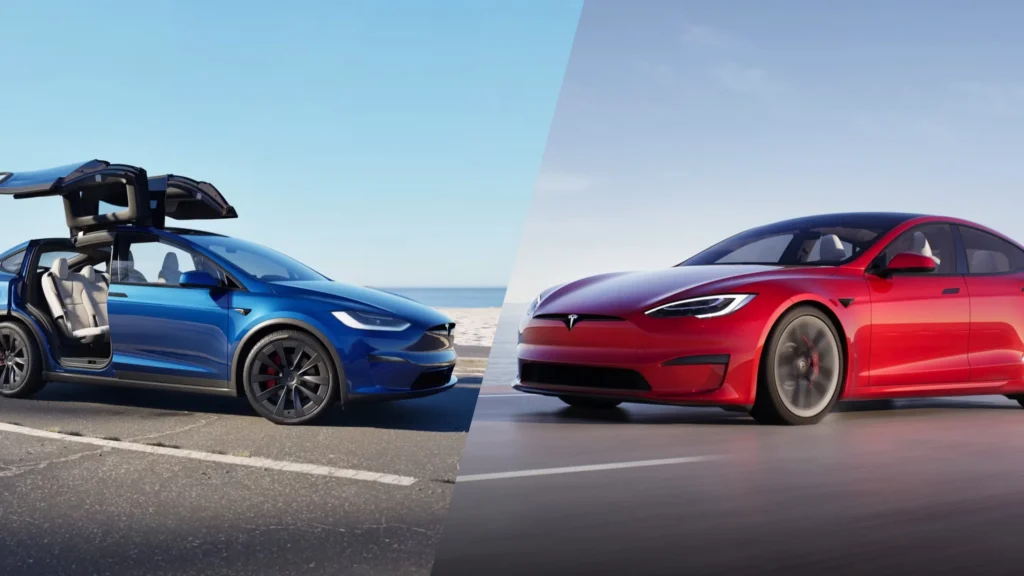
When the last units roll off the Fremont line, more than 750,000 Model S and Model X vehicles will have been delivered worldwide since the Model S first hit roads in 2012 and the Model X followed in 2015. These two legendary EVs didn’t just compete in the luxury segment — they created the modern electric vehicle category and proved that EVs could be faster, smarter, and more desirable than anything with a combustion engine.
A Brief History: How Model S and Model X Changed the Game
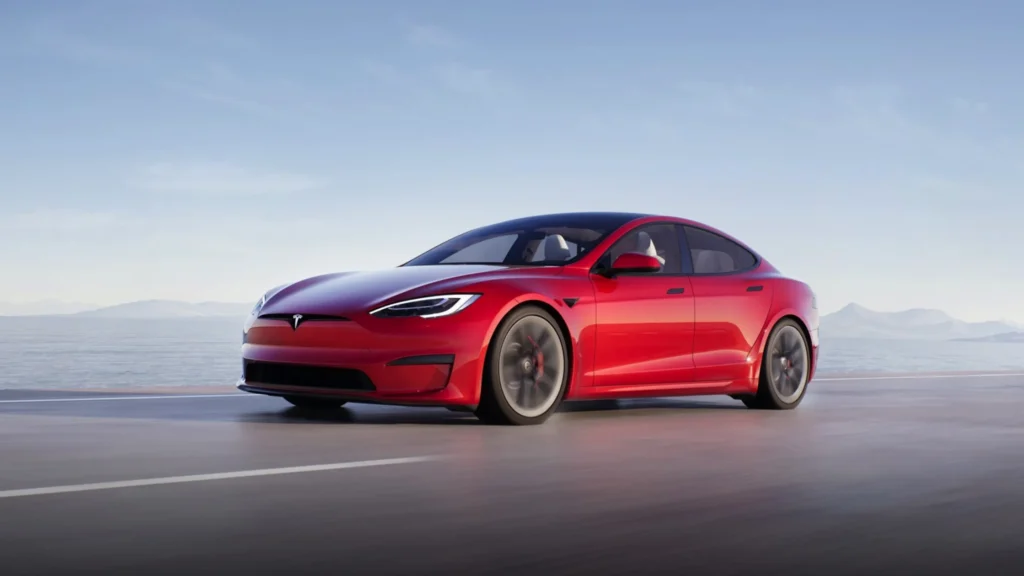
The Tesla Model S launched in 2012 as the world’s first true luxury electric sedan. It shattered expectations with blistering acceleration (Ludicrous and Plaid modes later made it a drag-strip king), over-the-air software updates that kept cars feeling brand-new years later, and a range that made long-distance EV travel practical for the first time.
The Model X arrived in 2015, bringing falcon-wing doors, seating for up to seven, and the same groundbreaking performance in SUV form. Together, they became the “S3XY” lineup that defined Tesla’s early success and forced every legacy automaker to rethink electric vehicles.
Key milestones:
- 2012: Model S production begins — first mass-market luxury EV.
- 2015: Model X debuts with innovative falcon-wing doors.
- Multiple refreshes: Plaid versions, new interiors, and continuous FSD hardware upgrades kept them competitive even in 2026.
- Global impact: Over 750,000 deliveries across 14 years, proving that premium EVs could dominate the high-end market.
These cars weren’t just vehicles — they were rolling computers that received major performance and feature upgrades years after purchase. Owners of the 2012 Model S still enjoy 2026-level software and autonomy improvements.
Why Tesla Is Ending Model S and Model X Production Now
In Tesla’s Q4 2025 earnings call (January 2026), CEO Elon Musk described the decision as an “honourable discharge” for the two vehicles. Production will fully stop in Q2 2026 to free up space at the Fremont factory for Optimus humanoid robot manufacturing.
Tesla is shifting focus from its first-generation flagship vehicles to the next frontier: full self-driving robotaxis (Cybercab), AI, and robotics. Custom orders for new Model S and X have already ended — only inventory vehicles remain available.
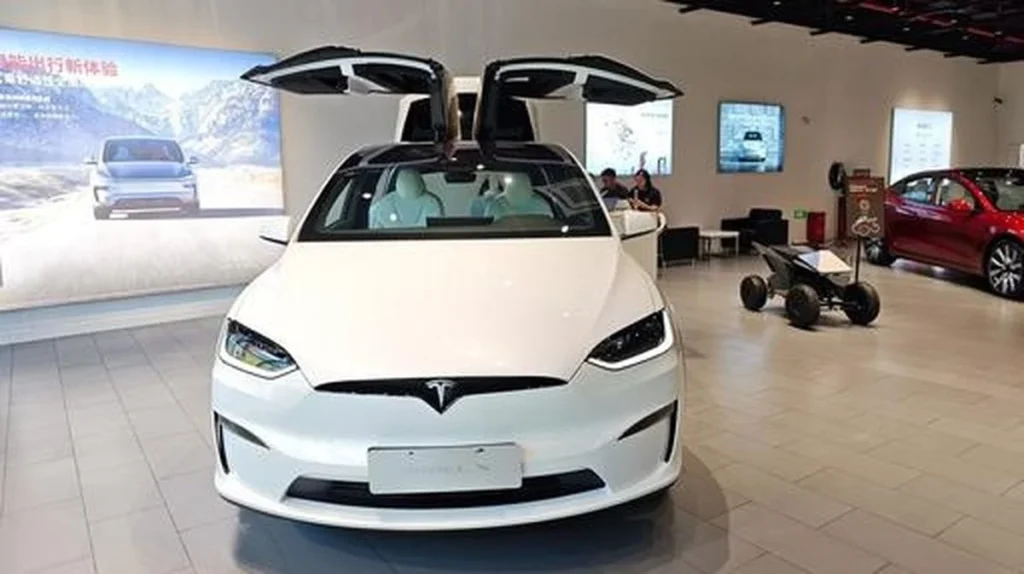
This move aligns with Tesla’s long-term vision of becoming an AI and robotics company rather than purely an automaker. The Fremont factory that once built the cars that launched the EV revolution will now build the robots that could reshape labor and mobility.
What This Means for Buyers and Owners
- Last chance to buy new: If you’ve been waiting for a Model S Plaid or Model X, inventory is all that’s left. Act fast — demand for final units has been strong.
- Existing owners: Tesla has committed to long-term support, including software updates, parts, and service. Your 2012–2026 Model S/X will continue receiving over-the-air improvements.
- Resale value: Limited final production often drives collector interest. Early Model S examples are already appreciating in certain markets.
The Legacy That Will Live On
The Model S and Model X didn’t just sell cars — they changed minds. They proved EVs could outperform supercars, travel coast-to-coast on a single charge, and receive meaningful upgrades a decade later. Every modern electric luxury sedan or SUV on the road today owes a debt to these two vehicles.
As Tesla pivots to Cybercab, Optimus, and an autonomous future, the end of Model S and Model X production feels bittersweet. But it’s also a testament to their success: the technology they pioneered has now evolved into something even bigger.
Two legendary vehicles. Over 750,000 delivered. An era that began in 2012 officially closes in 2026.
Tesla fans everywhere are raising a virtual glass (or falcon-wing door) to the S and X. 🫡
What do you think — will you miss the Model S and X the most for their performance, their innovation, or their place in EV history? Drop your thoughts in the comments.