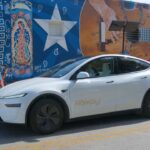
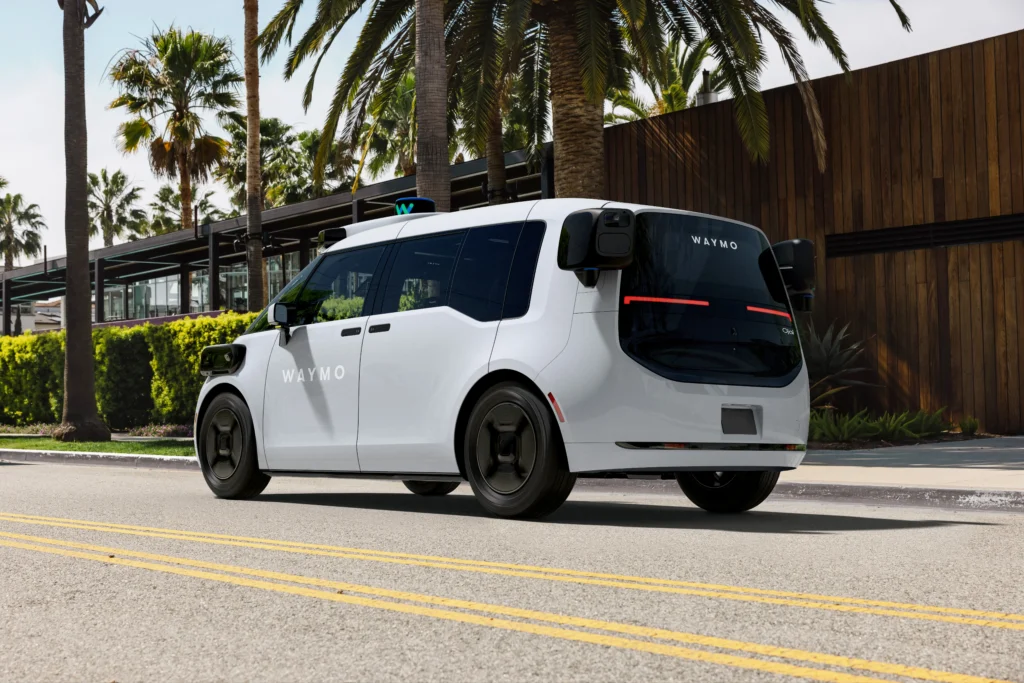
In a major advancement for the autonomous vehicle industry, Waymo has officially begun deploying its sixth-generation Ojai robotaxi, offering driverless rides to employees and their guests in the San Francisco Bay Area and Los Angeles. This move solidifies Waymo’s position as a leader in robotaxi services, with plans to expand access to the public later this year. As the race for autonomous driving heats up, this launch highlights the rapid evolution of self-driving technology, built on the Zeekr platform from Chinese automaker Geely.
The Ojai robotaxi represents a significant upgrade from previous generations, focusing on efficiency, cost reduction, and enhanced performance. Waymo’s latest driverless system is designed to handle diverse urban environments, from the bustling streets of San Francisco to the sprawling highways of Los Angeles. This deployment comes at a time when competitors like Tesla are pushing boundaries with their own robotaxi initiatives, such as the Cybercab, which we covered in our article Tesla Cybercab Could Make Rides Cheaper Than Public Transit: Elon Musk’s Bold Vision for Autonomous Travel.
Key Features of the Waymo Ojai Robotaxi
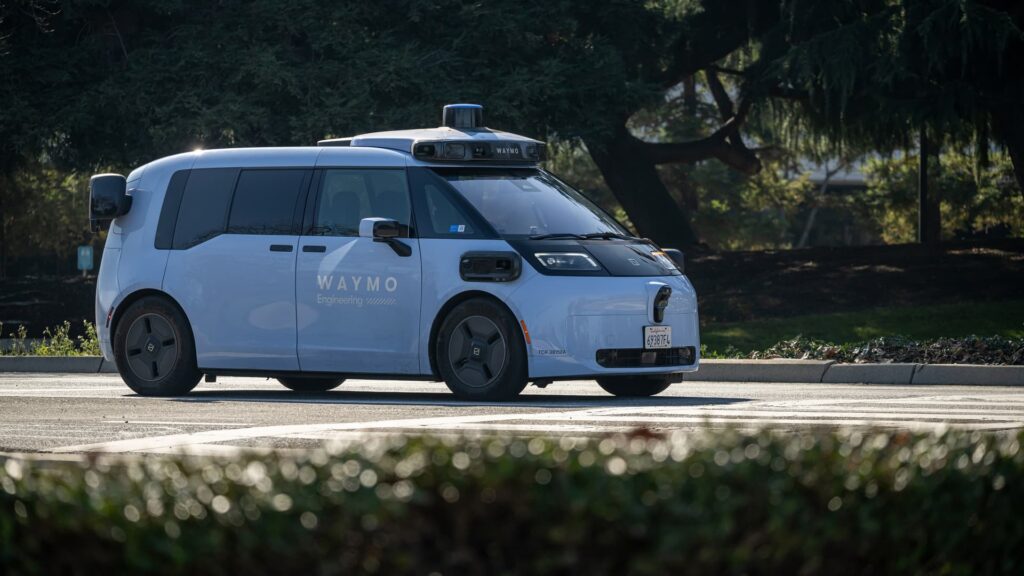
The Ojai robotaxi incorporates cutting-edge sensors and AI to ensure safe, reliable driverless operation. Here’s a breakdown of its standout specifications:
- Cameras: 13 high-resolution cameras (reduced from 29 in the fifth-generation Jaguar I-Pace models), providing comprehensive 360-degree visibility.
- LiDAR Sensors: 4 LiDAR units (down from 5), optimized for precise mapping and object detection in various weather conditions.
- Radars: 6 radar sensors for enhanced detection of vehicles, pedestrians, and obstacles.
- External Microphones: Dedicated mics to detect emergency sirens and improve response times in urban settings.
- Camera Cleaning System: 10 individual mini wipers to maintain clear vision during rain or dust.
- Platform: Based on the Zeekr electric vehicle architecture, offering a spacious, all-electric design tailored for robotaxi use.
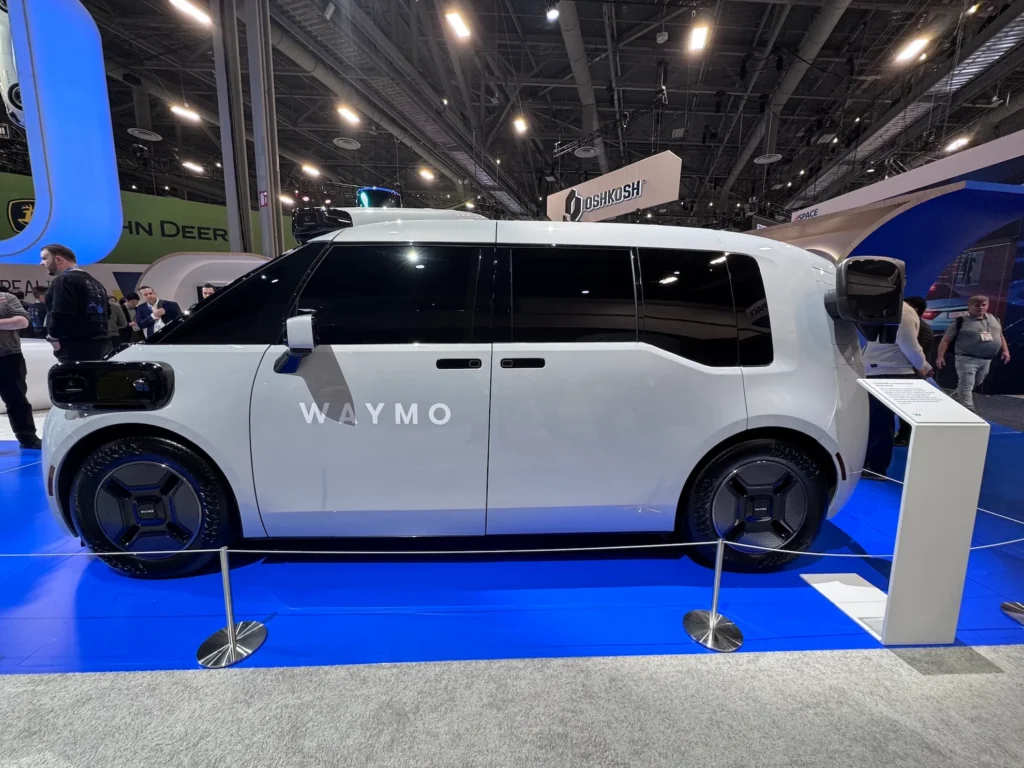
These reductions in sensor count not only lower production costs but also make the Ojai more scalable for high-volume manufacturing. The vehicle is engineered for comfort, with a boxy minivan-like structure that prioritizes passenger space—perfect for family outings or group travel, echoing concepts like Tesla’s Robovan, which we explored in Tesla Robovan 2026: The Autonomous Vehicle Revolutionizing Family Travel as a Rolling Living Room.
Waymo’s Expansion Plans and Current Operations
Currently limited to Waymo employees and their guests in San Francisco and Los Angeles, the Ojai robotaxi service is set to roll out to more cities soon. Waymo already provides public robotaxi rides in Austin, Phoenix, Atlanta, the San Francisco Bay Area, Los Angeles, and Miami, with expansions planned for Dallas, Denver, Detroit, Houston, Las Vegas, Nashville, Orlando, San Antonio, San Diego, and Washington in 2026. The company is also eyeing its first international market in London.
This strategic rollout underscores Waymo’s commitment to dominating the U.S. robotaxi market. With nearly 200 million fully autonomous miles logged across major cities, Waymo’s technology has been refined through real-world testing, including recent improvements for better performance in rain and other adverse conditions.
In comparison to Tesla’s Full Self-Driving (FSD) updates, which we detailed in Breaking: Tesla Rolls Out FSD v14.2.2.4 – Here’s Why It’s a Must Update, Waymo’s sensor-heavy approach contrasts with Tesla’s vision-only strategy. However, both are pushing the envelope in autonomous driving, potentially making robotaxis more affordable and accessible than traditional public transit.
Challenges and Future Outlook for Autonomous Vehicles
Despite the excitement, Waymo has faced hurdles, including a recent federal investigation after one of its vehicles struck a child in Santa Monica (resulting in minor injuries) and operational issues during a San Francisco power outage. These incidents highlight the ongoing need for robust safety measures in driverless technology.
Looking ahead, Waymo plans to integrate its sixth-generation system into other vehicles, such as the Hyundai Ioniq 5, while phasing out older models like the Jaguar I-Pace. This flexibility could accelerate adoption, especially as robotaxi services expand to airports, like the recent addition at San Francisco International Airport (SFO).
For EV enthusiasts and autonomous vehicle followers, the Ojai launch marks a pivotal moment. Stay tuned to USonWheels.com for more updates on Waymo, Tesla, and the future of self-driving cars. If you’re interested in how Hyundai’s autonomous efforts stack up, check out our piece on Hyundai Self-Driving Chief Quits After Failed Tesla-Like Shift to Vision-Only Autonomy.
What do you think about Waymo’s Ojai robotaxi? Will it outpace Tesla’s Cybercab in the robotaxi race? Share your thoughts in the comments below!