In the high-stakes race for autonomous driving supremacy, Hyundai Motor Company has suffered a significant setback. Chang-Hyeong Song, the visionary president and head of Hyundai’s Advanced Vehicle Platform (AVP) self-driving division, has resigned just months after joining the automaker. His exit highlights the deep-seated challenges legacy carmakers face in pivoting to innovative, software-defined vehicles—especially when emulating trailblazers like Tesla’s vision-only Full Self-Driving (FSD) technology.
This news couldn’t come at a more pivotal time for the EV industry, where camera-based autonomous systems are proving their mettle against outdated lidar-dependent approaches. For Hyundai EV enthusiasts and investors, Song’s departure raises tough questions about the company’s ability to catch up in the self-driving revolution.
Who Is Chang-Hyeong Song, and Why Did He Leave Hyundai?
Chang-Hyeong Song isn’t just any executive—he’s a tech pioneer who founded 42dot, a South Korean autonomous driving startup, seven years ago. In a bold move, Hyundai acquired 42dot and brought Song on board as AVP head only four to five months ago, aiming to inject cutting-edge AI expertise into its operations.
But frustration mounted quickly. In a poignant “last goodbye” memo to his 42dot team, Song laid bare the cultural clashes of working at a “traditional car company.” He described the ordeal as trying to “make an AI device rather than a car” and “implant software DNA rather than focus on hardware.” Countless conflicts with legacy business units and “unseen walls” during the transition to software-defined vehicles proved insurmountable.
Song’s tenure was marked by aggressive reforms, including halting several of Hyundai’s long-standing lidar research projects. Lidar, the laser-based sensor tech that’s become a staple for many automakers, relies on expensive hardware to map surroundings. Song pushed instead for a pure vision system using cameras—mirroring Tesla’s philosophy that human-like perception through affordable cameras is the key to scalable, Level 4+ autonomy.
At Hyundai’s annual developers conferences, Song championed this camera-based approach, even unveiling Atria AI, a Level 2 autonomous driving system. Yet, his Tesla-inspired benchmark strategy hit fierce internal resistance. Hyundai has poured billions into lidar over the years, and executives weren’t ready to abandon those sunk costs for a “software-first” future.
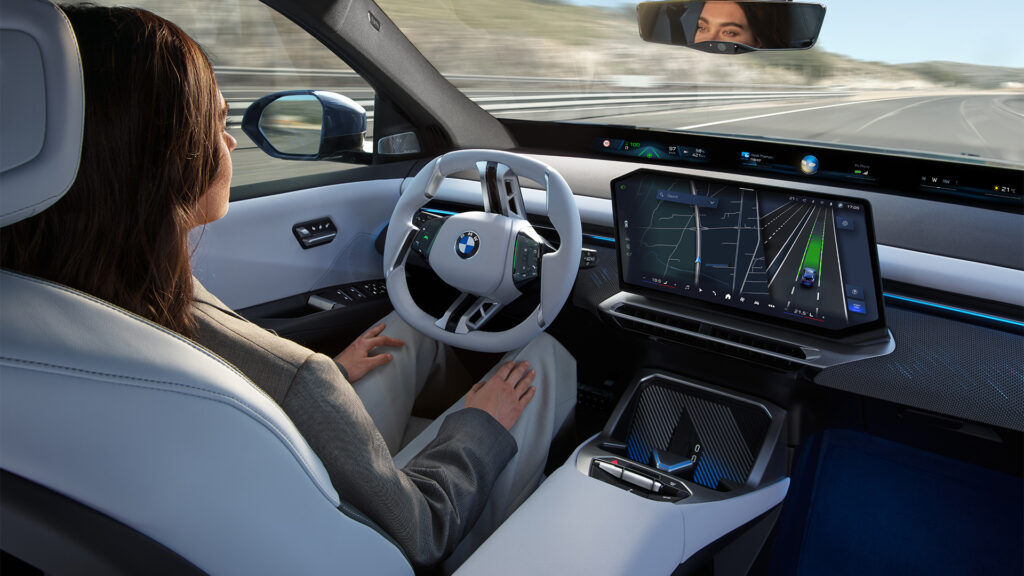
Hyundai’s Lidar vs. Camera Dilemma: Echoes of Tesla’s Vision-Only Triumph
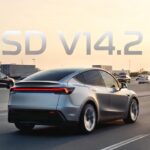
This isn’t just an executive shuffle—it’s a symptom of a broader industry divide. Tesla has long ditched lidar in favor of end-to-end AI trained on vast camera data, powering its FSD suite that’s now achieving mind-blowing milestones. Just two days ago, we reported on a Tesla owner logging 1,136 miles of 100% hands-free driving on FSD v14.2 without a single intervention—a testament to how vision-only tech is evolving faster than hardware-heavy rivals. (Related: Tesla FSD v14.2 Hits Milestone: 1,136 Miles of 100% Self-Driving Without a Single Intervention)
Hyundai’s struggle underscores the “sunk cost fallacy” plaguing legacy OEMs. While Tesla’s cameras cost pennies compared to lidar units (which can run $10,000+ per vehicle), Hyundai’s entrenched investments created a perfect storm of pushback. Song’s halted projects signal a temporary retreat, but at what cost? Analysts warn this could delay Hyundai’s EV autonomy roadmap by years, especially as competitors like Waymo and Cruise double down on sensor fusion.
For context, Tesla’s FSD Supervised v14.2.1 rollout—detailed in our November coverage—is already smoothing out urban navigation for owners worldwide, hinting at unsupervised robotaxi potential by 2026. (Related: Tesla FSD v14.2.1 Rolls Out: Smoother Autonomous Driving Hits More Tesla Owners – What’s New?)
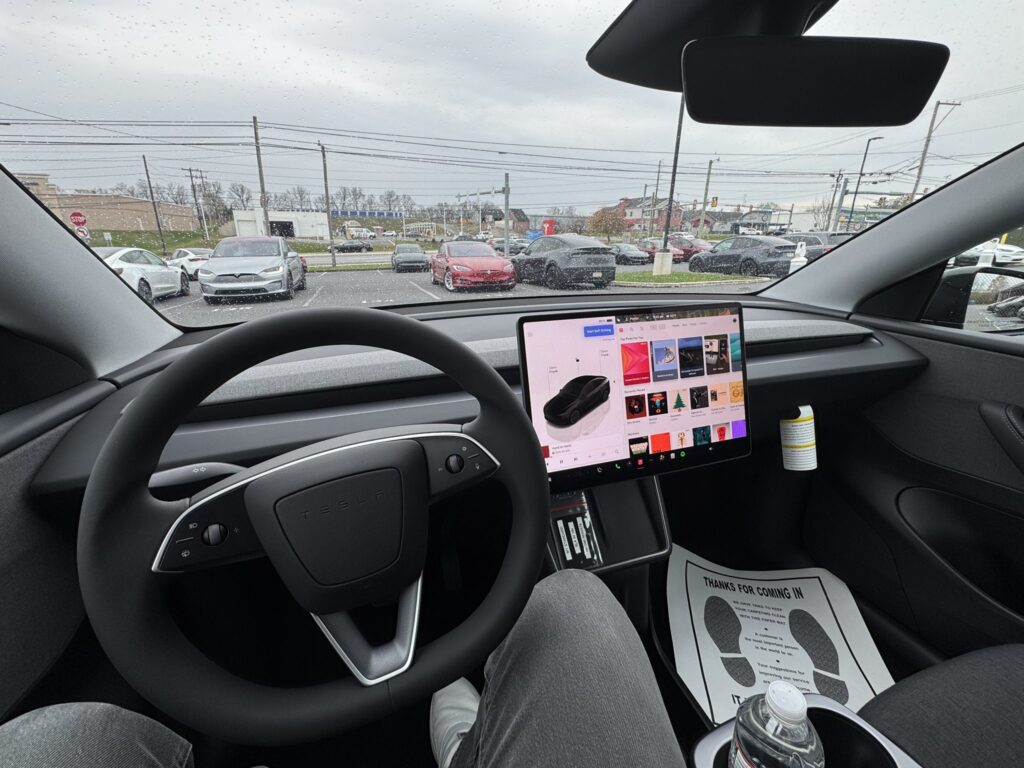
Implications for Hyundai EVs and the Broader Autonomous Driving Landscape
Song’s resignation is more than a personal pivot—it’s a red flag for Hyundai’s self-driving ambitions. The company, a rising star in affordable EVs like the Ioniq 5 and Ioniq 6, risks falling behind in the software arms race. Without internalizing camera-based tech, Hyundai may lean harder on partnerships (think Mobileye or Aptiv) rather than owning its autonomy stack.
This comes amid whispers of industry-wide shifts: Could frustrated execs like Song jump to Tesla, or spark licensing deals for FSD? Recent buzz around Elon Musk’s integrated ecosystem—blending Tesla, SpaceX, and xAI for AI-powered EVs—only amplifies the gap. (Related: Elon Musk’s Bold Vision: Tesla, SpaceX, and xAI Converge on Solar-Powered AI Satellites to Power the Future of EVs and Autonomous Driving)
For US consumers eyeing Hyundai’s growing EV lineup, this news tempers excitement. Will it accelerate a lidar-to-camera pivot, or entrench old habits? One thing’s clear: In autonomous driving, vision-only isn’t just Tesla’s edge—it’s the industry’s inevitable path.
Stay tuned to US on Wheels for the latest in EV news, Tesla updates, and autonomous tech breakthroughs. What do you think—should Hyundai license Tesla’s FSD to catch up? Drop your thoughts in the comments below!
Sources: TheElec, Sawyer Merritt on X. Images courtesy of Hyundai Motor Company.