In a groundbreaking interview that’s sending ripples through the EV and space tech worlds, Tesla CEO Elon Musk has unveiled a futuristic blueprint where his flagship companies—Tesla, SpaceX, and xAI—aren’t just collaborating, but converging into a unified force. At the heart of this vision? Solar-powered AI satellites beaming energy and intelligence back to Earth, potentially transforming electric vehicles (EVs), autonomous driving, and sustainable energy as we know it.
If you’re a Tesla enthusiast tracking the latest in EV news, this isn’t just hype—it’s a peek into the infrastructure that could supercharge your next road trip. Musk dropped this bombshell during a candid chat with Indian entrepreneur Nikhil Kamath, filmed amid the humming assembly lines of Tesla’s Giga Texas factory. The setting? A sleek conference room overlooking robotic arms and American flags, symbolizing the blend of American innovation and global ambition.
The Quote That’s Igniting EV and Space Conversations
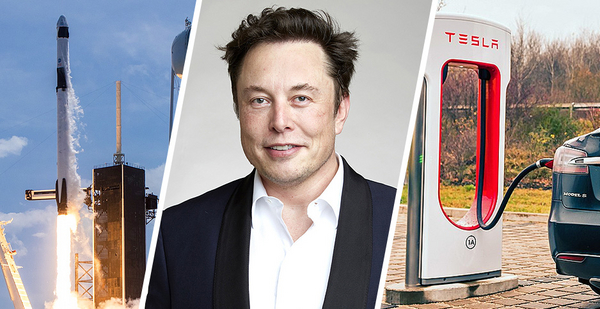
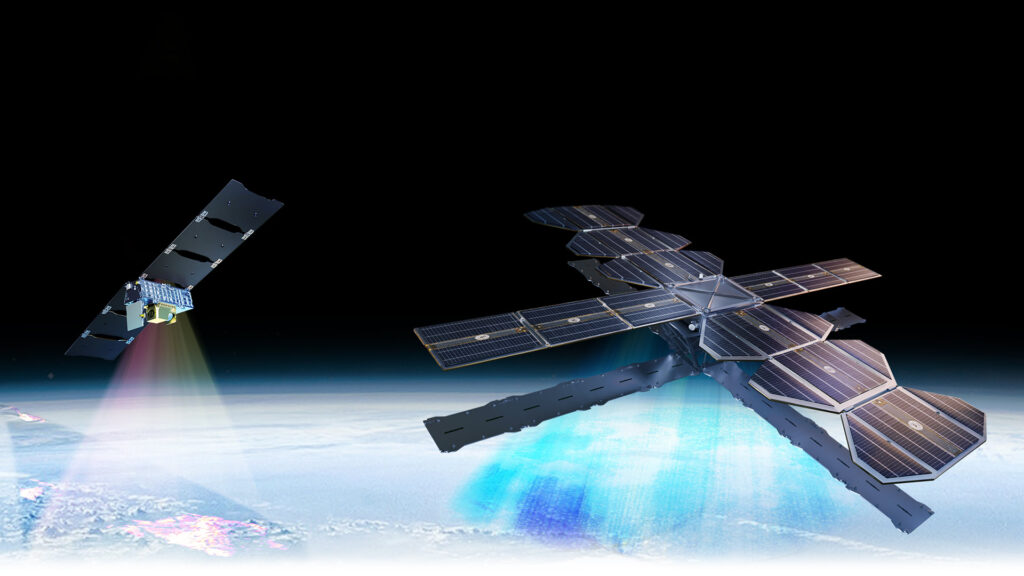
Musk didn’t mince words: “I think there’s increasingly a convergence between @SpaceX, @Tesla, and @xAI, in that if the future is solar powered AI satellites, which is pretty much needs to be in order to harness a non-trivial amount of the sun you have to move to AI powered satellites in space.”
This isn’t sci-fi speculation; it’s Musk outlining a practical path to untapped solar energy. By deploying AI-driven satellites in orbit, SpaceX could capture sunlight 24/7—far beyond what ground-based solar panels achieve—and relay it efficiently to Earth. For Tesla, this means endless clean power for charging stations, reducing reliance on fossil fuels and grid bottlenecks. Imagine your Tesla Model Y or Cybertruck juiced up via beamed solar energy, anywhere, anytime.
xAI’s role? Superintelligent algorithms to optimize satellite swarms, predict energy demands, and even enhance Tesla’s Full Self-Driving (FSD) suite with real-time orbital data. As we’ve covered in our deep dive on Tesla FSD v14.2.1, smoother autonomy is already here—now, satellite-powered AI could make it unbreakable, dodging weather disruptions or remote blackouts.
Why This Convergence Matters for Tesla Owners and EV Adoption
Tesla’s ecosystem has always been about integration: from solar roofs to Powerwalls, and now extending to the stars. This satellite synergy could:
- Slash EV Charging Costs: Orbital solar harvesting bypasses terrestrial limits, potentially dropping energy prices by 50% or more for Cybertruck owners expanding globally.
- Boost Autonomous Vehicle Safety: xAI’s Grok models, fused with SpaceX telemetry, could provide hyper-accurate mapping for FSD, echoing breakthroughs like Nevada’s Robotaxi self-certification.
- Accelerate Sustainable Mobility: With EVs like the refreshed Model Y Performance hitting roads this December, satellite energy ensures zero-emission scalability.
Critics might call it ambitious—Musk’s timelines have slipped before, from the Roadster 2026 delays to Cybercab merch drops. But as Tesla pushes into markets like South Korea and India (check our coverage on Tesla’s Indian entry), this convergence feels like the missing link in global EV dominance.
Broader Implications: From Giga Texas to the Galaxy
Filmed at Giga Texas—the same factory churning out Cybertrucks and Model Ys—the interview underscores Tesla’s manufacturing might. Musk, sipping coffee with Kamath, gestured to the factory floor, where automation mirrors the satellite swarms he envisions. This isn’t just about cars; it’s redefining logistics, with unmanned trucks and drone deliveries powered by space-based AI.
For US drivers facing union hurdles (as in our report on Tesla Sweden’s blockade), Musk’s multi-company strategy offers resilience. Privacy-focused FSD updates, like the in-cabin data prompt, will pair seamlessly with orbital oversight, ensuring ethical AI rollout.
What’s Next for Tesla, SpaceX, and xAI?
Musk hinted at prototypes soon, but no firm dates—classic Elon. Investors are buzzing, with Tesla stock up 2% post-interview. For EV fans, it’s a reminder: the future isn’t just electric; it’s cosmic.
Stay tuned to US on Wheels for updates on Tesla holiday merch and beyond. What’s your take on solar AI satellites? Drop a comment below—could this power your dream garage?
US on Wheels is your go-to source for Tesla news, EV innovations, and autonomous driving breakthroughs. Follow us for daily updates on the wheels (and wings) of tomorrow.