Tesla has taken a major step forward in its electric trucking ambitions with the late-2025 reveal of a refreshed Tesla Semi design. This update modernises the Class 8 electric truck ahead of planned volume production starting in 2026. First unveiled in 2017, the Tesla Semi has faced multiple delays, but the new design and confirmed production timeline signal that high-volume deliveries are finally on the horizon.
The refreshed Tesla Semi features significant aesthetic and functional improvements, aligning it with Tesla’s current design language seen in vehicles like the updated Model Y and Cybertruck. These changes, combined with enhanced efficiency and payload capabilities, position the Semi as a competitive alternative to traditional diesel trucks.
Key Design Changes in the Refreshed Tesla Semi
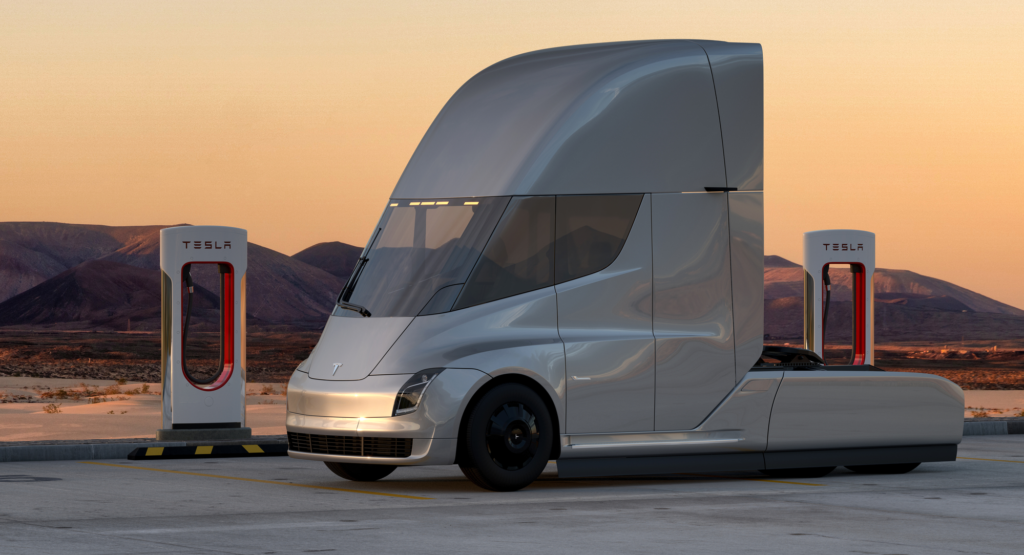
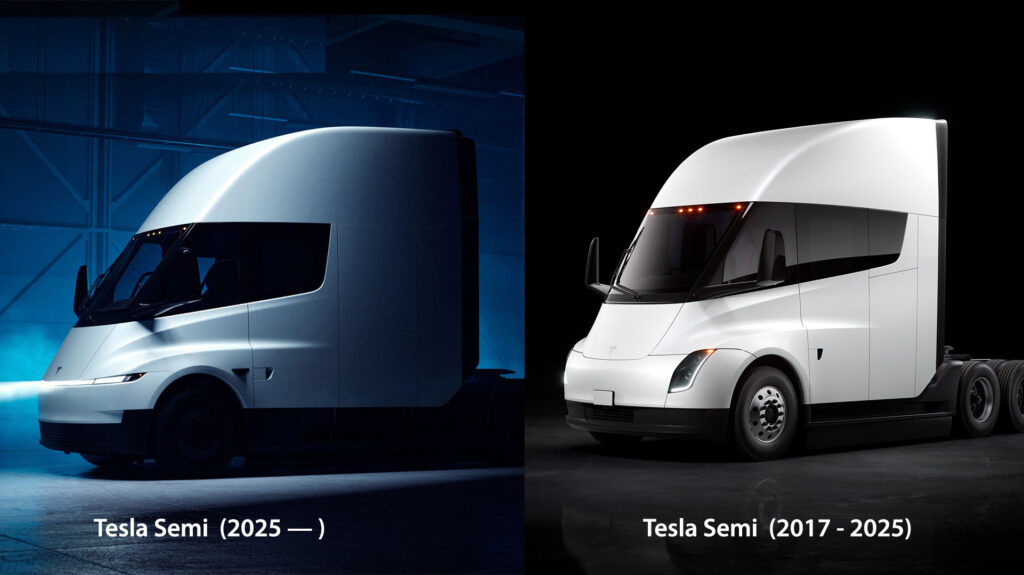
The most noticeable update is the front fascia, which now includes a sleek horizontal light bar reminiscent of the refreshed Model Y and Cybertruck. The wraparound windshield has been scaled down for better aerodynamics, and the roofline is more rounded. Tesla also introduced a redesigned chassis, new headlights integrated into the light bar, and a refined front bumper.
These modifications not only give the Semi a more modern appearance but also contribute to improved efficiency. Side-by-side comparisons highlight the evolution from the original 2017 prototype to the production-intent 2026 model.
Performance and Efficiency Upgrades
Tesla claims the refreshed Semi is more efficient than previous prototypes, achieving an impressive 1.7 kWh per mile—better than the originally quoted 2 kWh/mi. It maintains a 500-mile range while offering increased payload capacity and 800 kW of drive power.
The truck supports up to 1.2 MW Megacharging, allowing it to recover 70% of its range in about 30 minutes. Tesla also emphasised that the new design is “built for autonomy,” hinting at future integration with its Full Self-Driving technology.
These specs aim to deliver a lower total cost of ownership than diesel semis, especially for high-utilisation fleets.
2026 Production Timeline and Factory Expansion
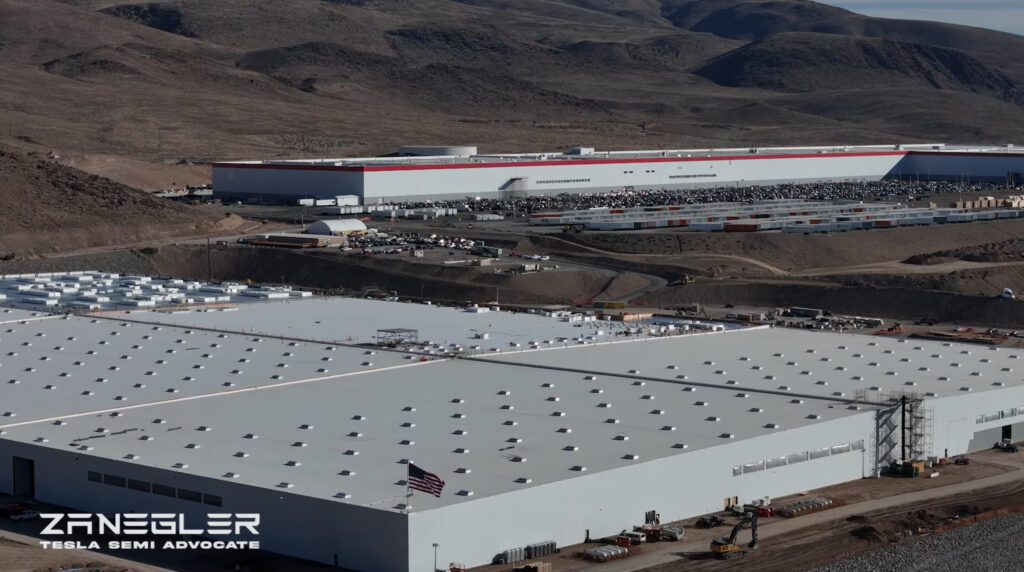
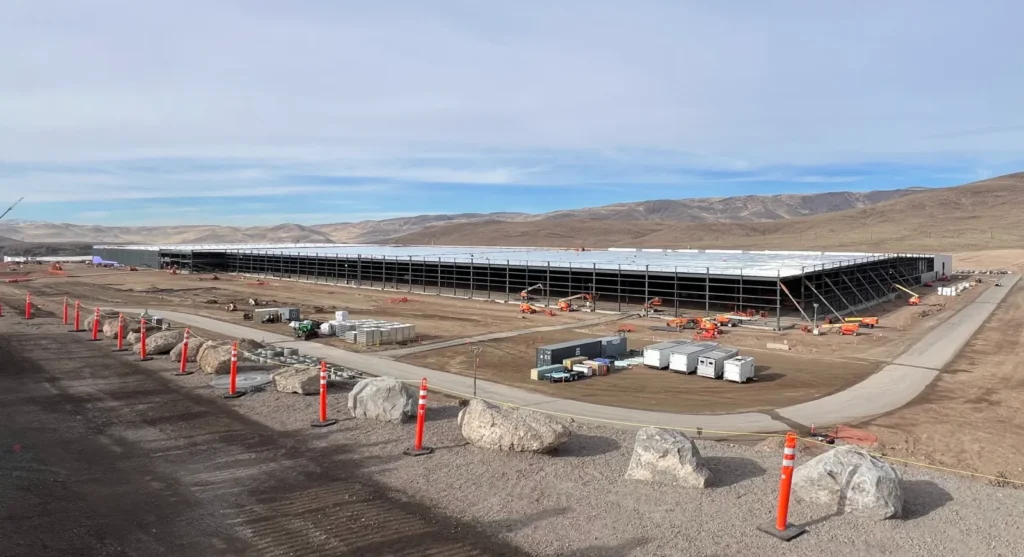
Elon Musk confirmed during the 2025 shareholder meeting that volume production will begin in late 2025 or early 2026 at Tesla’s expanded facility in Nevada. The Giga Nevada expansion dedicated to Semi production is progressing rapidly, with recent drone footage showing significant construction advancements.
Recent partnerships, such as with Pilot Travel Centers, will see Tesla Semi Megachargers installed at key locations across the U.S., starting in 2026. This infrastructure buildout is crucial for widespread adoption.
Implications for the Trucking Industry
The refreshed Tesla Semi arrives at a pivotal time for electric heavy-duty trucking. With improved aerodynamics, efficiency, and autonomy readiness, it could accelerate the shift away from diesel for long-haul applications. Early testers like PepsiCo have already logged millions of miles on prototype units, providing valuable real-world data.
As production ramps up in 2026, fleet operators will be watching closely for pricing, availability, and charging network expansion. Tesla’s entry into high-volume electric semi production could disrupt the industry and contribute significantly to reducing transportation emissions.
The refreshed Tesla Semi represents a mature, production-ready evolution of Tesla’s original vision. With design updates, performance enhancements, and a firm 2026 production target, the electric truck is poised to finally hit the roads in meaningful numbers.