In a groundbreaking announcement that’s stirring excitement among EV enthusiasts and urban commuters alike, Tesla has claimed that its upcoming Cybercab robotaxi could offer rides at a lower cost than traditional public transit once fully scaled. This revelation, shared by Tesla insider Nic Cruz Patane on X (formerly Twitter), highlights the potential for autonomous vehicles to revolutionize daily transportation in the US. With operating costs projected at just 20 cents per mile, compared to around $1 per mile for city buses, the Cybercab promises affordability that could disrupt mass transit systems nationwide.
What Tesla’s Cybercab Means for Everyday Commuters
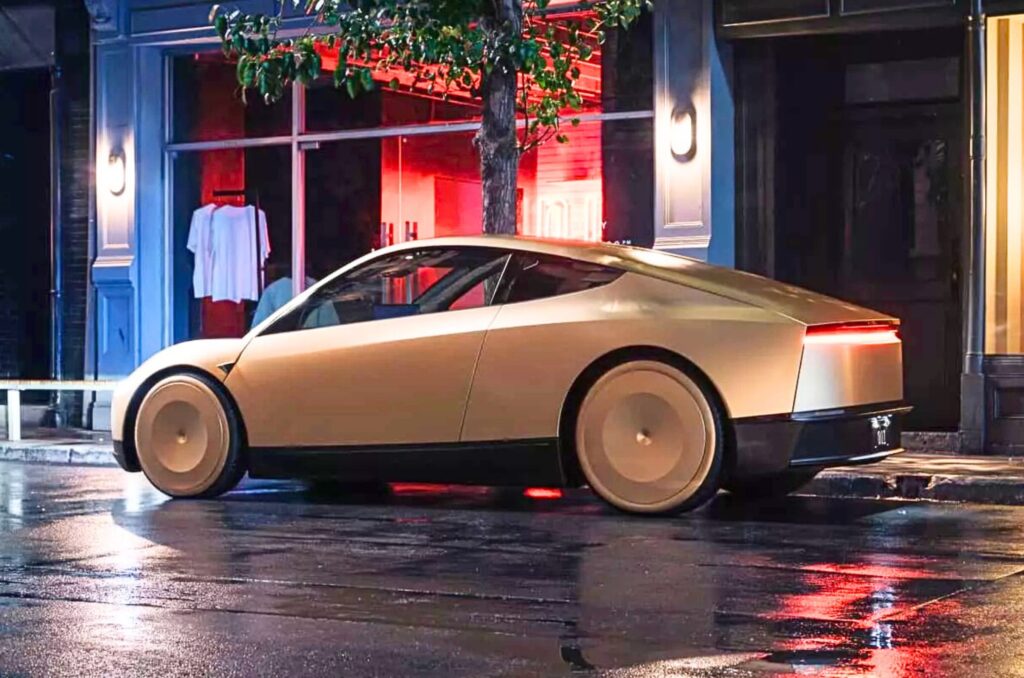
The Cybercab, unveiled by Elon Musk in October 2024 at Tesla’s “We, Robot” event, is designed as a fully autonomous two-seater vehicle without a steering wheel or pedals. Priced under $30,000, it’s positioned as Tesla’s most affordable EV yet, aiming to make self-driving technology accessible to the masses. Musk envisions it as “individualized mass transit,” where users summon a ride via an app for short urban trips, potentially at 30 to 40 cents per mile including taxes—far below the $2–$3 per mile charged by ride-hailing services like Uber or Lyft.
According to Tesla’s projections, high utilization rates could drive these costs even lower. Unlike personal cars that sit idle 90% of the time, Cybercabs in a fleet could operate up to 10 times more hours per week, spreading fixed costs and maximizing efficiency. This efficiency stems from Tesla’s vertical integration, including in-house battery production and energy solutions, which could slash charging expenses. As one analyst noted, by 2030, operating costs might dip below $0.20 per mile, making it one of the cheapest transport options available.
Cybercab’s Features and Safety Advantages
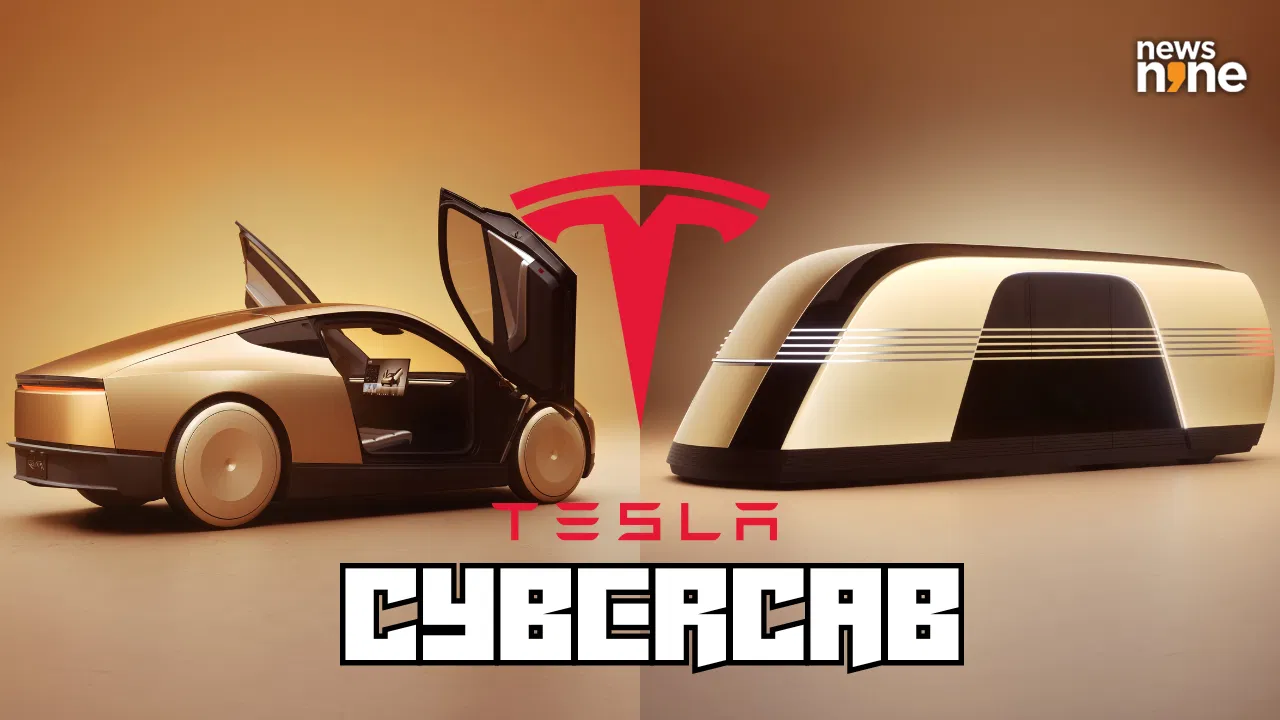
The Cybercab boasts a sleek, futuristic design with butterfly doors that open upward for easy access, as seen in recent demonstration videos. It’s equipped with Tesla’s Full Self-Driving (FSD) hardware, promising rides that are up to 30 times safer than human-driven vehicles. Owners can purchase, lease, or even earn passive income by adding their Cybercab to Tesla’s ride-hailing network, potentially generating $30,000 annually per vehicle.
This isn’t just hype—Tesla plans to launch unsupervised robotaxi services in select states like Nevada, Arizona, Florida, and Texas as early as 2026, building on recent advancements in autonomous driving tech. As we covered in our earlier article on Tesla Robotaxi Launch 2026: Revolutionizing Autonomous Ridesharing in Nevada, Arizona, Florida, and Texas, this rollout could transform urban mobility by reducing congestion and emissions.
Comparing Cybercab Costs to Public Transit and Rivals
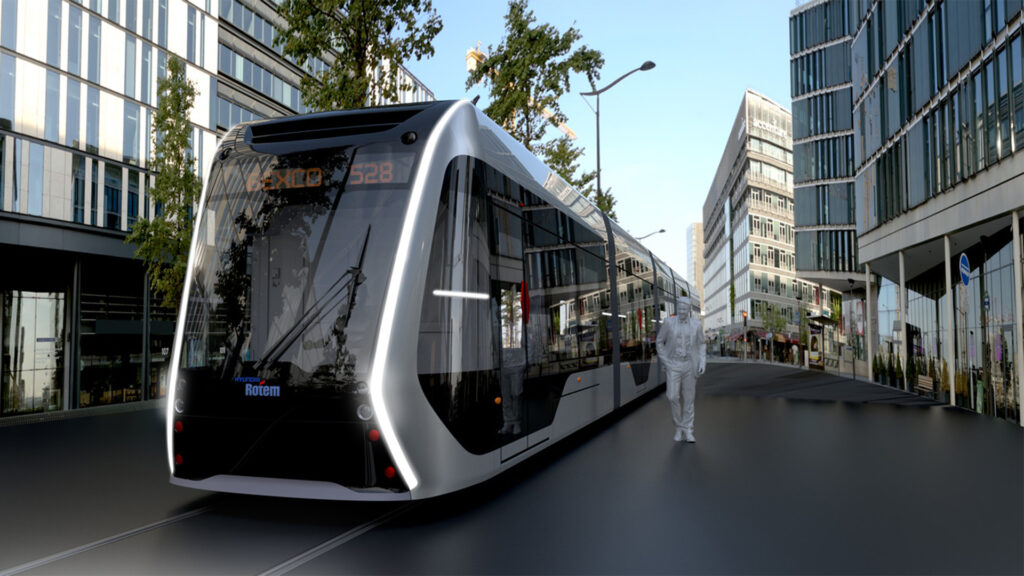
Public transit in major US cities often costs $2–$5 per trip, subsidized by taxpayers. Tesla argues that Cybercab’s low operational overhead—eliminating drivers, cleaners, and high maintenance—will make it more economical without subsidies. For context:
| Transport Option | Estimated Cost per Mile | Key Advantages |
|---|---|---|
| City Bus (Public Transit) | $1.00 | Subsidized, high capacity |
| Uber/Lyft | $2.00–$3.00 | On-demand, but driver-dependent |
| Tesla Cybercab (at Scale) | $0.20–$0.40 | Autonomous, low emissions, personalized |
This cost edge could appeal to budget-conscious commuters, especially in areas with limited public transport. However, skeptics point out challenges like regulatory approvals and initial fleet scaling, which might delay widespread adoption.
Tesla’s Broader Autonomous Roadmap
This Cybercab update aligns with Tesla’s aggressive push into autonomy. Recent developments include a refreshed Semi truck design for 2026 production and the introduction of a “Start Self-Driving” button for existing vehicles. As detailed in our piece on Upcoming Tesla Models in the Second Half of 2026 and 2027: Key Launches Beyond the Cybercab Robotaxi, Tesla is also eyeing the Robovan—a larger autonomous vehicle seating up to 20 passengers—for high-density routes.
Elon Musk emphasized Tesla’s unique focus on AI, energy, and transportation in a recent statement, positioning the company as a leader in sustainable mobility. For more on Tesla’s innovations, check our coverage of Elon Musk Emphasizes Tesla’s Unique Vision: Revolutionizing AI, Energy, and Transportation in 2026.
The Future of Urban Transport: Cheaper, Greener, Autonomous
If Tesla delivers on these promises, the Cybercab could democratize travel, making it faster, safer, and more affordable than ever. While public transit remains essential for high-volume routes, autonomous options like this could fill gaps in underserved areas, reducing reliance on personal cars and cutting urban pollution.
Stay tuned to USonWheels.com for the latest EV and autonomous vehicle news. What do you think—will Cybercab outprice your local bus? Share your thoughts in the comments!