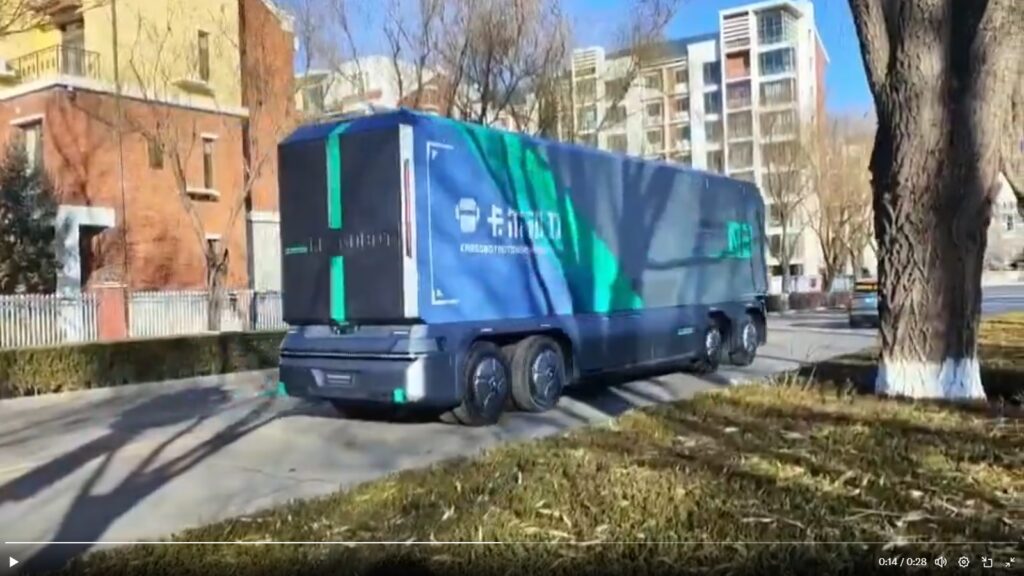
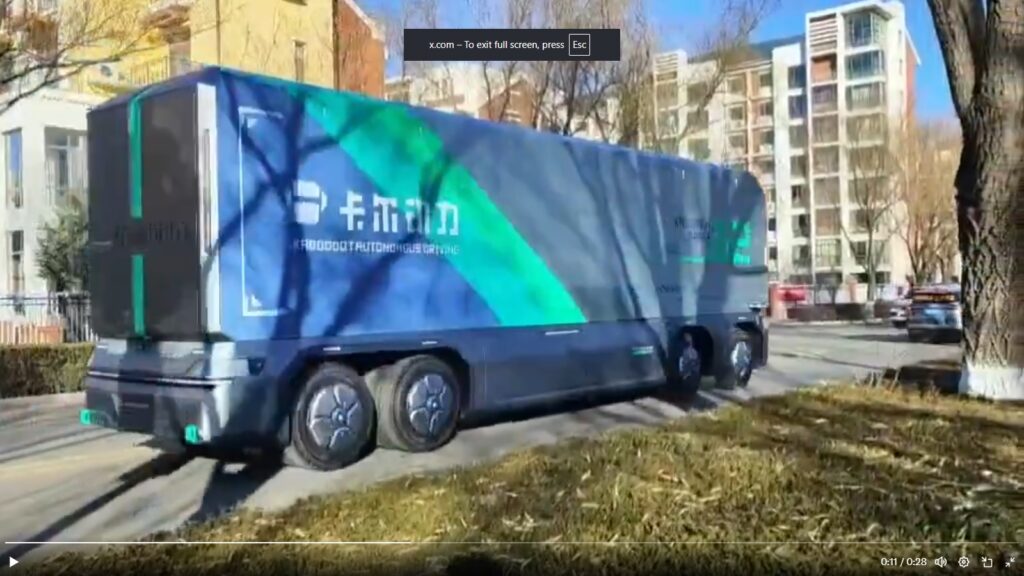
In a scene straight out of a sci-fi blockbuster, a driverless semi-truck glides effortlessly through suburban streets in China, its sleek, cab-less design turning heads and sparking global conversations about the future of autonomous trucking. The viral video, shared by Tesla enthusiast Nic Cruz Patane on X (formerly Twitter), showcases the KargoBot N2 – a fully unmanned autonomous truck that’s not just a prototype but a real-world game-changer in freight transportation. As China accelerates its push into self-driving vehicle technology, this electric beast signals a seismic shift in logistics, potentially outpacing Western competitors like Tesla’s long-awaited Semi.
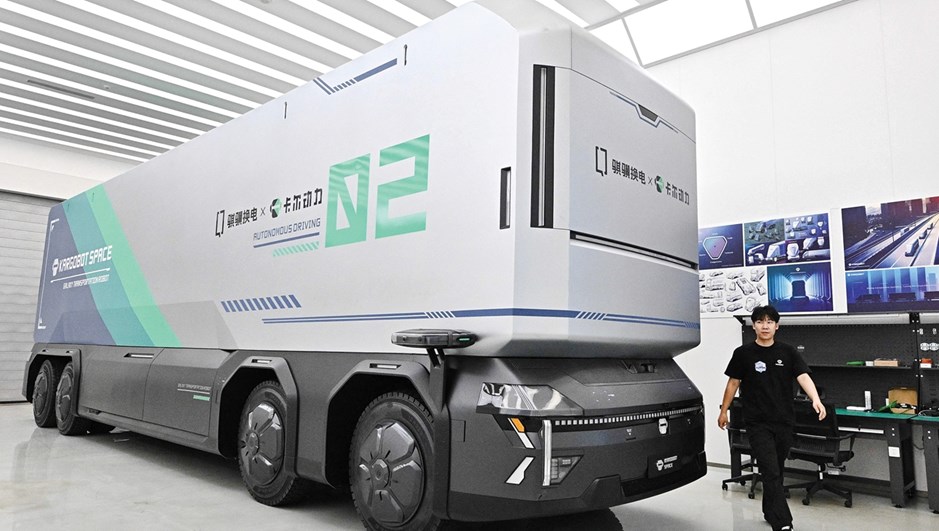
What is the KargoBot N2? A Closer Look at Autonomous Trucking Innovation
The KargoBot N2, developed by Beijing-based startup KargoBot.ai – a spinoff from ride-hailing giant Didi – is an L4-level autonomous electric truck designed for heavy-duty freight hauling without human intervention. Measuring over 10 meters in length with a payload capacity exceeding 20 tons, this six-wheeled marvel features a modular, aerodynamic body in signature green and white livery, optimized for energy efficiency and urban maneuverability.
Captured in the now-20,000+ views video, the N2 navigates a tree-lined road in northern China, executing smooth turns and lane changes while a safety vehicle trails at a distance. No steering wheel, no pedals – just sensors, AI algorithms, and LiDAR systems humming in harmony to deliver cargo autonomously. Recent advancements include infrared night vision integration from Raytron, enabling all-weather operations even in fog or darkness.
KargoBot’s strategy targets underserved rural and suburban routes in western China, where traffic is lighter and industrial demand is high. By November 2025, the company has greenlit platooning tests – where multiple driverless trucks follow a lead vehicle – across four regions in North and Northwest China, marking a milestone in scaled deployment.
KargoBot’s Rise: From Didi Spinoff to $41.6M Funding Powerhouse
Launched in 2021 as Didi’s autonomous freight arm, KargoBot has rapidly scaled, raising nearly $41.6 million in its latest A+ round in May 2025 to fuel fleet expansion. With over 100 trucks already operational, primarily in Inner Mongolia, the firm is partnering with charging networks like SuperPanther for seamless battery-swapping in remote areas.
CEO Junqing Wei envisions autonomous trucking as a complement to rail systems, slashing costs by up to 30% through 24/7 operations and reduced labor needs. In Ordos – once dubbed China’s “ghost city” – KargoBot’s fleet now powers logistics for power plants, transforming underutilized infrastructure into AV hubs. This hybrid “intelligent mode” allows one remote operator to oversee 2-6 vehicles, blending human oversight with AI autonomy for safety and efficiency.
Global Implications: How China’s Self-Driving Trucks Challenge the West
As the KargoBot N2 hits the roads, it underscores China’s lead in autonomous vehicle adoption. While U.S. firms like Tesla grapple with regulatory hurdles – recall our deep dive into Tesla’s Full Self-Driving after 6.5 billion miles of data here – Beijing’s permissive policies have fast-tracked innovations like driverless truck fleets on designated routes.
Critics point to safety concerns, with some X users noting the N2’s reliance on a trailing vehicle in the video. Yet, proponents argue this “spectacular” progress – planned and executed at warp speed – could redefine global supply chains, reducing emissions and accidents in an industry responsible for 25% of U.S. freight.
For American trucking giants, the message is clear: innovate or lag. Tesla’s Semi, promised for 2026 production, now faces stiffer competition from KargoBot’s battle-tested autonomy.
The Road Ahead for Autonomous Freight
KargoBot’s N2 isn’t just a truck; it’s a blueprint for tomorrow’s logistics. With expansions to seven cities and eyes on international markets, expect more unmanned hauls lighting up social feeds. At US on Wheels, we’re tracking every mile – from EV breakthroughs to self-driving semis.
Stay wheeled in: Subscribe for updates on Tesla autonomy, EV trucks, and the autonomous revolution. What do you think – is China lapping the field? Drop your thoughts in the comments!
Sources: X (formerly Twitter), Gasgoo AutoNews, iChongqing, BBC News, Tech in Asia, Metal.com, Rest of World, Morningstar/PR Newswire, CNBC.