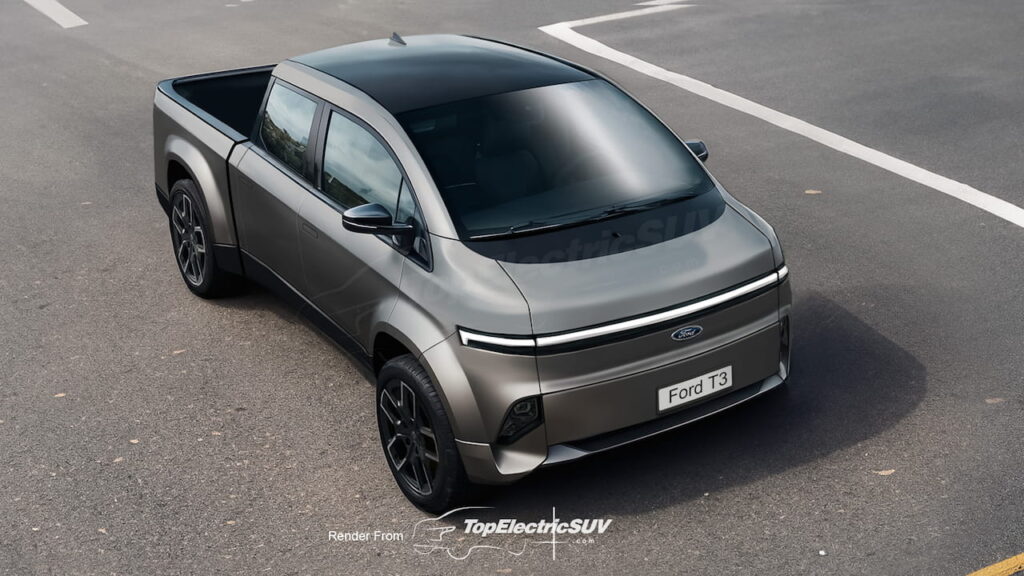
In a bold move to democratise electric vehicles, Ford has unveiled details about its upcoming mid-size electric pickup truck, set to hit the market in 2027 with a starting price around $30,000. This affordable EV aims to shake up the truck segment, offering solid range, advanced features, and a design philosophy that prioritises minimalism and efficiency. As highlighted in a recent promotional video, Ford’s engineering team is adopting a mantra: “The best part is no part. If the part is necessary, then it must serve multiple purposes.” This approach, which emphasises reducing complexity to cut costs and improve performance, has drawn comparisons to Tesla’s longstanding design principles.
Ford’s Universal EV Platform: A Game-Changer for Affordable Electrification
Ford’s new Universal Electric Vehicle (UEV) platform represents a fresh start for the automaker’s EV strategy. Unlike previous models like the F-150 Lightning, which adapted existing architectures, this is Ford’s first dedicated, ground-up EV platform. Developed by a secretive “skunkworks” team, the UEV focuses on efficiency to deliver more range at lower costs. Key innovations include:
- Gigacasting Technology: Inspired by advanced manufacturing techniques, this allows for larger, fewer parts, reducing assembly time and weight.
- LFP Batteries: Cost-effective lithium iron phosphate cells for better affordability without sacrificing durability.
- Streamlined Electrical Architecture: A reduced wiring harness and low-voltage systems for accessories, minimizing complexity and potential failure points.
- Multi-Purpose Components: Every part is scrutinized to serve multiple functions, aligning with the “no part” philosophy.
The result? A mid-size truck with more interior space than a Toyota RAV4, a frunk for storage, competitive performance, and cutting-edge software – all starting at about $30,000. Ford CEO Jim Farley has likened the project to an “Apollo mission,” underscoring its importance in competing globally, especially against Chinese EV makers.
Drawing Inspiration from Tesla? The Philosophy Breakdown
The quoted philosophy in Ford’s reveal has sparked discussions online, with many pointing to similarities with Tesla CEO Elon Musk’s oft-repeated adage: “The best part is no part.” Tesla has long championed minimalist design to optimize production and vehicle efficiency, as seen in models like the Cybertruck and Model 3.
In fact, a tweet from Tesla enthusiast @niccruzpatane highlighted this parallel: “Ford on their upcoming ~$30,000 Electric Pickup: ‘The engineering team had a philosophy: Best Part is No Part. If the part is necessary, then it must serve multiple purposes.’ I wonder where they got that philosophy from.” (https://x.com/niccruzpatane/status/2023804365958483986)
This isn’t the first time legacy automakers have adopted Tesla-inspired strategies. As we covered in our earlier article on the Tesla Cybertruck being adopted as the first EV brush truck in the US, innovative design can lead to real-world savings and efficiency gains. Similarly, Ford’s approach could position this new pickup as a strong contender against Tesla’s offerings.
Specs, Range, and Features: What to Expect from Ford’s Affordable EV Truck
While full specifications are yet to be revealed, early details paint a promising picture:
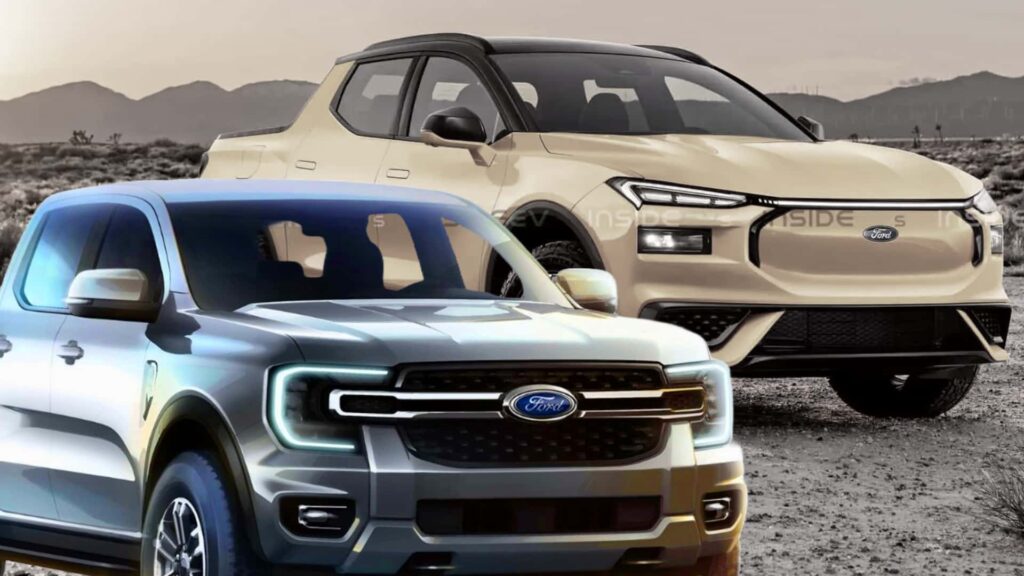
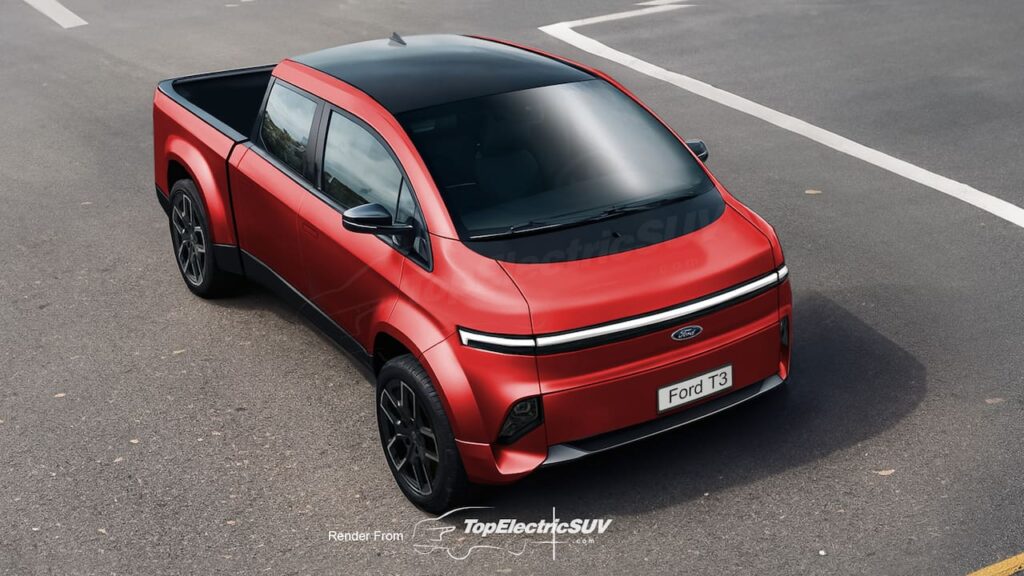
- Size and Design: Mid-size footprint, potentially reviving the Ranchero name, with a modern, aerodynamic body for better efficiency.
- Range and Performance: Targeting competitive range estimates, possibly over 300 miles, thanks to optimized aerodynamics and battery tech.
- Autonomous Features: Rumors suggest advanced driver-assistance systems, including hands-free driving akin to Full Self-Driving (FSD).
- Production Timeline: Prototypes are already in testing, with production starting in 2026 at Ford’s Louisville Assembly Plant in Kentucky, and sales beginning in 2027.
Compared to the current market, this truck could undercut rivals like the Tesla Cybertruck (starting higher) or even the Chevy Silverado EV, making EVs accessible to more buyers. For context, Tesla recently dropped the Model 3 price to $36,990, positioning it as one of the best EV deals – a trend Ford seems eager to join.
Market Impact: Challenging Tesla and Beyond
Ford’s $30k EV pickup arrives at a pivotal time for the US auto industry. With EV adoption accelerating, affordable options are key to mainstream appeal. This model could appeal to working families, small businesses, and fleet operators, especially with potential tax incentives under the Inflation Reduction Act.
However, challenges remain. Ford recently paused F-150 Lightning production to focus on profitability, signaling a shift toward cost-effective platforms like UEV. If successful, this could spark a wave of sub-$40k EVs, pressuring competitors like Tesla to innovate further – perhaps accelerating the Tesla Robovan or Semi deliveries we discussed in our Tesla Semi 2026 update.
Final Thoughts: A New Era for Electric Trucks?
Ford’s upcoming electric pickup isn’t just another EV – it’s a statement of intent to lead in affordable electrification. By borrowing proven philosophies and leveraging cutting-edge tech, Ford aims to deliver a truck that’s efficient, capable, and budget-friendly. Stay tuned to USonWheels.com for more updates as prototypes hit the road and official reveals approach. What do you think – will this truck dethrone Tesla in the affordable EV space? Share your thoughts in the comments!