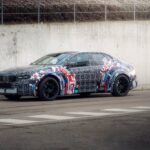
In the ever-evolving landscape of electric vehicles (EVs), Nissan has consistently pushed boundaries with its innovative concepts. Recently, a tweet from Motor1.com sparked renewed interest in the Nissan Leaf Nismo lineup, highlighting the abundance of concepts and race cars that have tantalized enthusiasts over the years. With phrases like “Nissan Leaf Nismo concepts” and “electric race cars” trending, it’s the perfect time to explore these high-performance EVs that blend Nissan’s racing heritage with zero-emission technology.
The Origins of Nissan Leaf Nismo: From Concept to Track
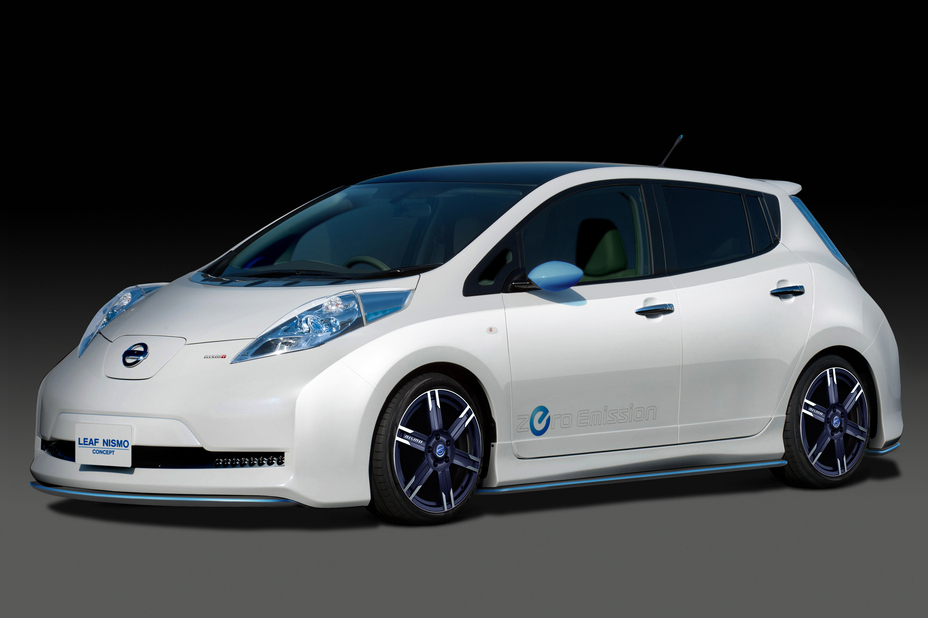
The story of the Nissan Leaf Nismo begins with Nissan’s commitment to sustainable mobility. The original Nissan Leaf, launched in 2010, revolutionized the EV market as one of the first mass-produced electric cars. Nismo, Nissan’s motorsport division, quickly saw potential in transforming this eco-friendly hatchback into a performance beast.
The first major milestone came in 2011 with the introduction of the Nissan Leaf Nismo RC (Racing Competition). This zero-emission race car was designed to showcase the capabilities of electric powertrains on the track. Featuring a lightweight carbon fiber body, mid-mounted battery pack, and an 80 kW electric motor producing 107 horsepower and 207 lb-ft of torque, it demonstrated that EVs could deliver thrilling performance without compromising on environmental benefits. Unlike traditional race cars, the Leaf Nismo RC emphasized agility and instant torque, making it a pioneer in electric motorsports.
Evolution and Upgrades: The 2018 Nissan Leaf Nismo RC
Fast forward to 2018, and Nissan unveiled an all-new version of the Leaf Nismo RC, doubling down on power and innovation. This iteration boasted two electric motors—one at each axle—for all-wheel drive, delivering a combined 322 horsepower and 472 lb-ft of torque. The aerodynamic design was refined for better downforce, with a sleek body that reduced lift while maintaining the Leaf’s recognizable silhouette.
This race car wasn’t just a showpiece; it was built with Nismo’s racing expertise, incorporating advanced battery technology and regenerative braking systems. Debuted at the Tokyo Motor Show and later demonstrated at events like the Formula E races, it highlighted Nissan’s vision for the future of electric racing. Enthusiasts praised its aggressive styling, including wider fenders, a large rear wing, and distinctive Nismo badging, which turned the humble Leaf into a track-ready machine.
Road-Going Dreams: The Nissan Leaf Nismo Concept for Everyday Drivers
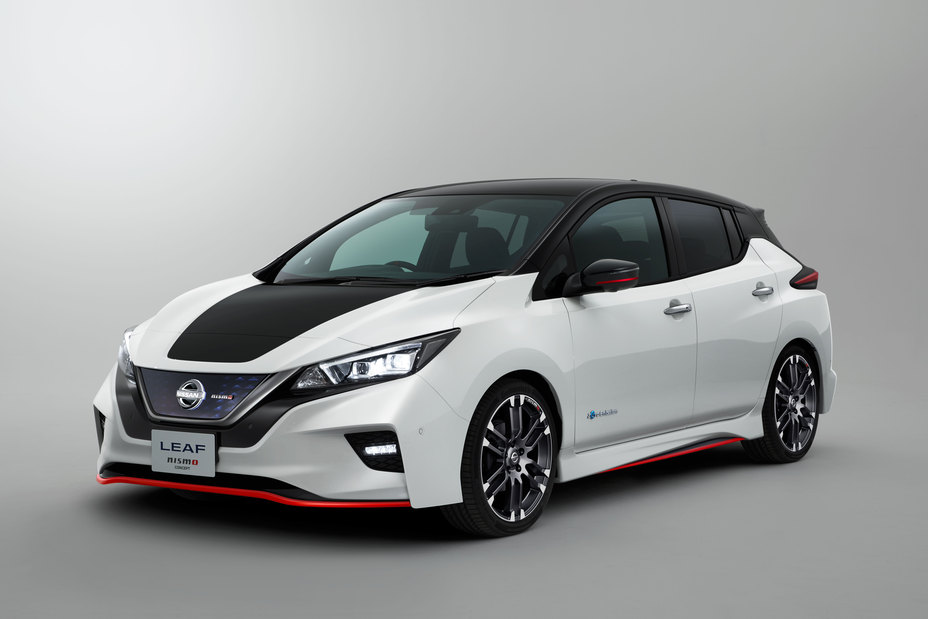
While the RC models focused on racing, Nissan also teased road-legal versions. At the 2017 Tokyo Motor Show, the Nissan Leaf Nismo Concept revealed a sportier take on the production Leaf. This concept featured enhanced aerodynamics, a tuned suspension, and Nismo-specific styling cues like red accents and 18-inch wheels. Inside, it promised a more dynamic driving experience with improved handling and acceleration, all while retaining the Leaf’s impressive range and efficiency.
Interestingly, a production Nissan Leaf Nismo did hit the market in Japan starting in 2018, offering subtle performance upgrades like a retuned ECU, sportier suspension, and unique aesthetics. However, it never made it to global markets in full force, leaving fans in regions like the US yearning for more.
Why So Many Concepts? Nissan’s Strategy in EV Innovation
As Motor1.com humorously pointed out in their recent tweet, it feels like there are “500,000” Nissan Leaf Nismo concepts and race cars. While that’s an exaggeration, Nissan has indeed produced multiple iterations, including one-off builds and engineering prototypes. This approach allows the company to test cutting-edge technologies, such as advanced battery management and electric drivetrains, under extreme conditions.
These concepts serve as a bridge between Nissan’s road cars and its motorsport endeavors, much like how the GT-R Nismo evolved from track testing. For EV enthusiasts searching for “Nissan electric performance vehicles,” these models represent untapped potential in a market dominated by Tesla and emerging players like Hyundai’s Ioniq 5 N.
The Future of Nissan Leaf Nismo: Production Hopes and Electric Racing
With the automotive industry shifting toward electrification, could a full-production global Nissan Leaf Nismo be on the horizon? Recent developments in Nissan’s Ariya SUV and Formula E involvement suggest yes. The Leaf Nismo RC has already influenced real-world tech, with elements trickling down to production EVs.
For those interested in more on Nissan’s EV journey, check out our previous coverage on the evolution of electric vehicles at usonwheels.com, including articles on the latest Ariya models and sustainable mobility trends.
In conclusion, the Nissan Leaf Nismo series embodies the excitement of electric performance, blending speed, innovation, and eco-friendliness. Whether on the track or the road, these concepts continue to inspire the next generation of EVs. Stay tuned to US on Wheels for more updates on Nissan and the world of automotive innovation.