
Las Vegas, NV – November 25, 2025 – In a game-changing development for the electric vehicle (EV) industry, Tesla has successfully completed Nevada’s self-certification process for its highly anticipated Robotaxi service. This approval from the Nevada Department of Motor Vehicles (DMV) clears the path for Tesla to deploy and operate fully autonomous vehicles on public roads across the Silver State, marking a pivotal step toward commercial robotaxi operations.
The news, first shared by Tesla insider Sawyer Merritt on X (formerly Twitter), confirms that Tesla submitted and received approval for its Operations Certificate of Compliance. This self-certification verifies that Tesla’s Robotaxi fleet meets Nevada’s stringent safety and operational standards for unsupervised Full Self-Driving (FSD) technology. While testing and deployment are now greenlit, Tesla must still secure final commercial approval from the Nevada Transportation Authority to launch paid ride-hailing services—a formality expected to follow swiftly.
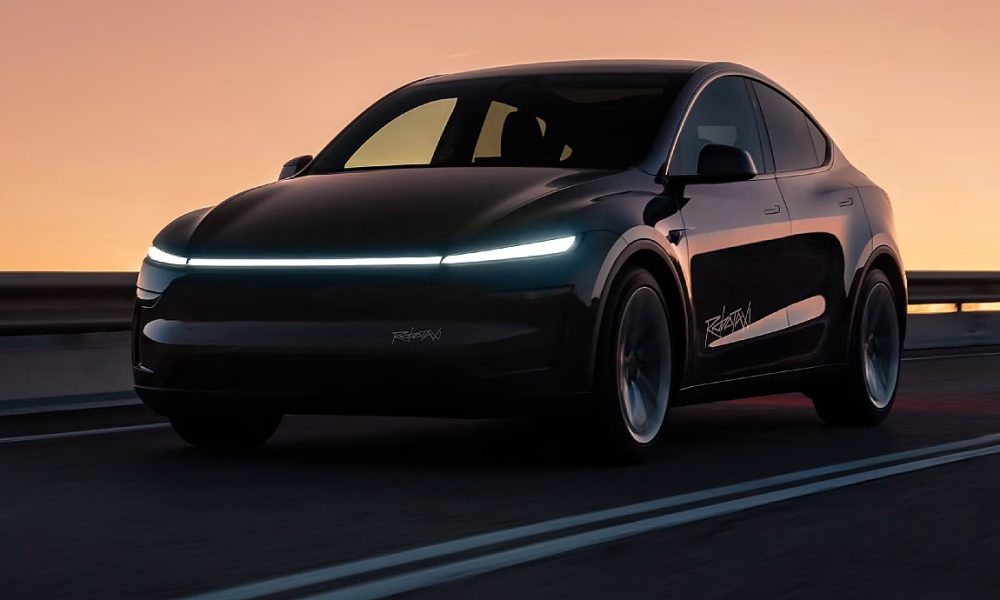
What This Means for Tesla’s Robotaxi Vision
Tesla’s Robotaxi initiative has been a cornerstone of CEO Elon Musk’s vision for sustainable, autonomous transportation since its unveiling at the company’s “We, Robot” event earlier this year. With over 6.5 billion miles of real-world data accumulated from FSD-equipped vehicles, Tesla’s neural network-driven approach promises safer, more efficient rides than human-driven alternatives. As we explored in our earlier coverage, What Does 6.5 Billion Miles Mean for Tesla’s Full Self-Driving?, this massive dataset underscores Tesla’s edge in scaling autonomous tech without relying on costly lidar sensors.
Nevada’s progressive stance on autonomous vehicles—home to CES and a hub for EV innovation—positions it as the ideal launchpad. The state’s DMV has been a pioneer in AV regulations since 2011, issuing permits to companies like Waymo and Cruise. Tesla’s entry intensifies competition, potentially accelerating adoption of robotaxis in urban centers like Las Vegas and Reno.
Key highlights from the certification:
- Deployment Readiness: Tesla can now test and operate Robotaxi vehicles on Nevada’s public roadways, gathering invaluable data in diverse conditions.
- Safety Compliance: The process required Tesla to demonstrate compliance with federal and state guidelines, including $5 million in insurance coverage per vehicle and mandatory incident reporting.
- Next Steps: Commercial ride-hailing approval from the Nevada Transportation Authority could arrive within weeks, enabling Tesla to roll out paid services and integrate with its Supercharger network for seamless EV operations.
Implications for EV Enthusiasts and the Broader Auto Industry
This milestone isn’t just a win for Tesla shareholders—it’s a boon for consumers seeking affordable, eco-friendly mobility. Imagine hailing a Tesla Model Y or Cybercab for a stress-free ride to the Strip, all powered by AI that learns from every mile driven. Analysts predict robotaxis could slash ride costs by 50% compared to Uber or Lyft, while reducing emissions through optimized routing.
For the U.S. EV market, Nevada’s approval signals accelerating regulatory momentum. States like California and Arizona are watching closely, with Tesla already testing FSD in those regions. As autonomous tech matures, expect ripple effects: job shifts for drivers, urban redesigns for AV-friendly infrastructure, and explosive growth in EV infrastructure.
At USonWheels.com, we’ve been tracking Tesla’s autonomous journey closely. From breakthroughs in battery tech to FSD beta updates, our in-depth guides help you stay ahead. Check out our related reads:
- Tesla’s Cybertruck Conquers Nevada Trails: Off-Road EV Dominance – How rugged EVs are transforming desert adventures.
- The Rise of EV Ride-Sharing: Is Tesla’s Robotaxi the Future? – Early insights into autonomous fleets.
Tesla’s Road Ahead: Challenges and Opportunities
Of course, no launch is without hurdles. Public trust in AVs remains a factor, with recent incidents involving competitors highlighting the need for transparency. Tesla’s over-the-air updates and data transparency could set it apart, but skeptics point to the need for Level 4 autonomy certification.
Still, the optimism is palpable. Sawyer Merritt’s post has garnered thousands of views, with enthusiasts buzzing about fleet scaling—could we see 1,000 Robotaxis on Nevada roads before 2026? Tesla’s vertical integration, from chip design to software, positions it to outpace rivals like Zoox or Motional.
As Nevada becomes the epicenter of America’s robotaxi revolution, USonWheels.com will keep you updated on every twist. Will Tesla’s autonomous fleet redefine mobility? Share your thoughts in the comments below, and subscribe for the latest EV news, Tesla updates, and autonomous vehicle insights delivered straight to your inbox.
Sources: Nevada DMV Confirmation via Sawyer Merritt on X; Business Insider; Drive Tesla Canada. All data current as of November 25, 2025.
Meta Description: Tesla Robotaxi gets Nevada self-certification approval for autonomous vehicles on public roads. Deployments imminent—explore implications for EV ride-hailing and Full Self-Driving tech at USonWheels.com.
Keywords: Tesla Robotaxi, Nevada autonomous vehicles, Full Self-Driving certification, EV news 2025, robotaxi deployment, Tesla FSD Nevada
USonWheels.com: Your ultimate guide to cars, bikes, and EVs on American roads. From Tesla innovations to sustainable mobility trends.

3 thoughts on “Tesla Robotaxi Breakthrough: Nevada Grants Self-Certification for Autonomous Vehicle Deployment on Public Roads”