In a significant boost to Tesla’s autonomous driving ambitions, the company’s Robotaxi fleet has experienced rapid expansion, with 40 new Model Y vehicles integrated into the ride-hailing service over the past nine days. This growth underscores Tesla’s commitment to scaling its unsupervised Full Self-Driving (FSD) operations, particularly in high-demand areas like Austin, Texas. As Tesla pushes toward widespread Robotaxi deployment across the U.S. by the end of 2026, this update highlights the accelerating pace of innovation in the electric vehicle (EV) and autonomous transportation sector.
According to data from Robotaxi Tracker, a dedicated platform monitoring Tesla’s fleet deployments, the total tracked Robotaxi fleet now stands at 240 vehicles. The Bay Area in California leads with 168 units, while Austin follows with 72. Notably, 23 of the recent additions were deployed in Austin within the last four days alone, addressing surging service demand in the region. This comes just days after Tesla officially launched unsupervised Robotaxi rides without safety monitors in Austin on January 23, 2026, marking a milestone years in the making.
The fleet growth graph from Robotaxi Tracker illustrates a steady upward trajectory, with the Bay Area showing consistent expansion since early deployments. Austin’s curve, however, reflects a more recent acceleration, aligning with reports of high utilization rates and the need for additional capacity to meet rider requests. Tesla CEO Elon Musk has emphasized that this scaling is crucial for achieving a nationwide Robotaxi network by year’s end, potentially reaching 1,000 vehicles or more in operation.
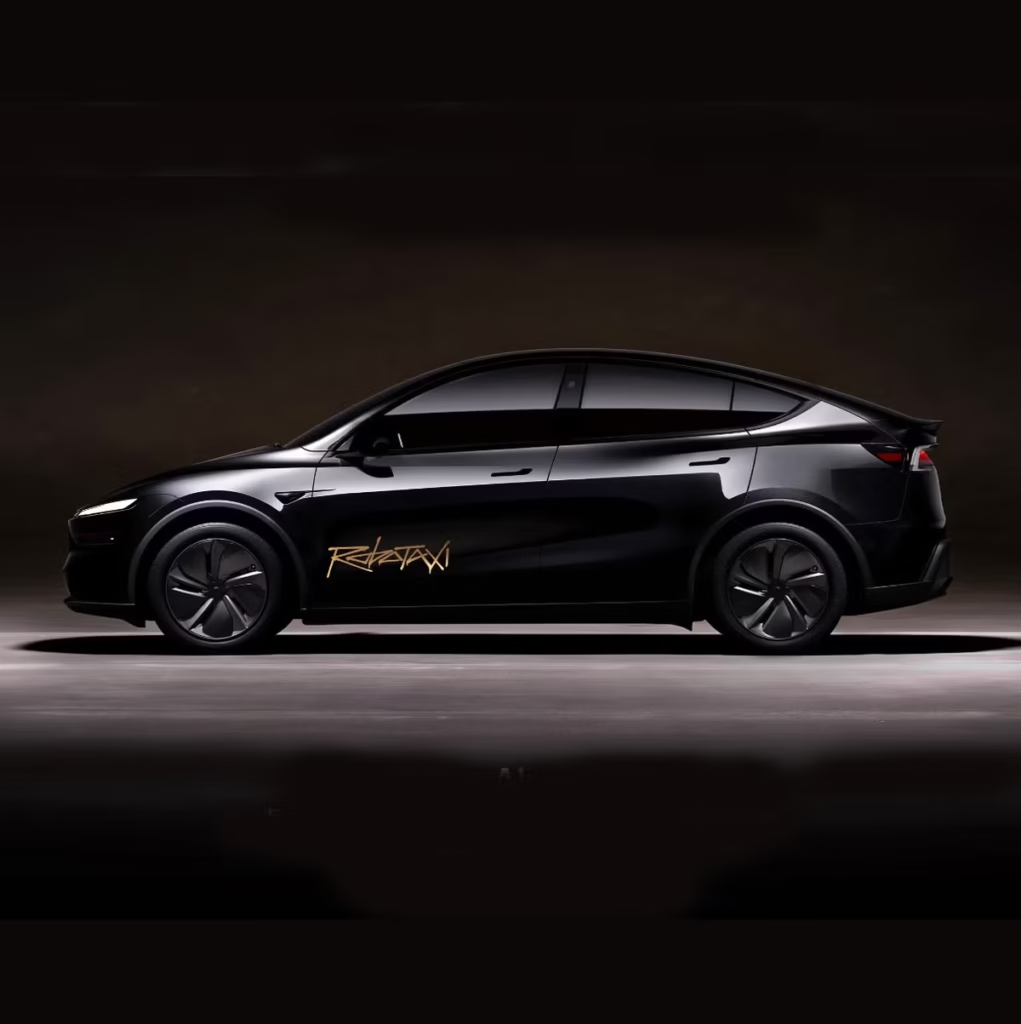
Why Austin is Leading the Charge in Robotaxi Demand
Austin’s rapid fleet buildup isn’t coincidental. As one of Tesla’s key testing grounds, the city has seen heightened interest in autonomous ride-hailing due to its tech-savvy population and growing urban mobility needs. Sources indicate that service demand in Central Texas is outpacing supply, prompting Tesla to prioritize Model Y additions equipped with advanced FSD hardware, including camera washers for enhanced sensor reliability.
This development builds on Tesla’s broader strategy, as detailed in our earlier coverage of the Tesla Robotaxi Breakthrough: Nevada Grants Self-Certification for Autonomous Vehicle Deployment on Public Roads. In that article, we explored how regulatory approvals are paving the way for unsupervised operations, much like the recent Austin launch.
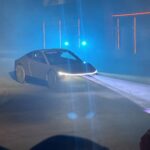
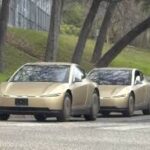
Experts predict that by the end of 2026, Tesla could have up to 2,500 Robotaxis on the road, with Model Y continuing to dominate until the Cybercab enters production. The Cybercab, Tesla’s purpose-built Robotaxi prototype, has been spotted undergoing winter testing, reaffirming a 2026 rollout. This aligns with Musk’s vision of a trillion-dollar Robotaxi market opportunity, where Tesla could capture a significant share.
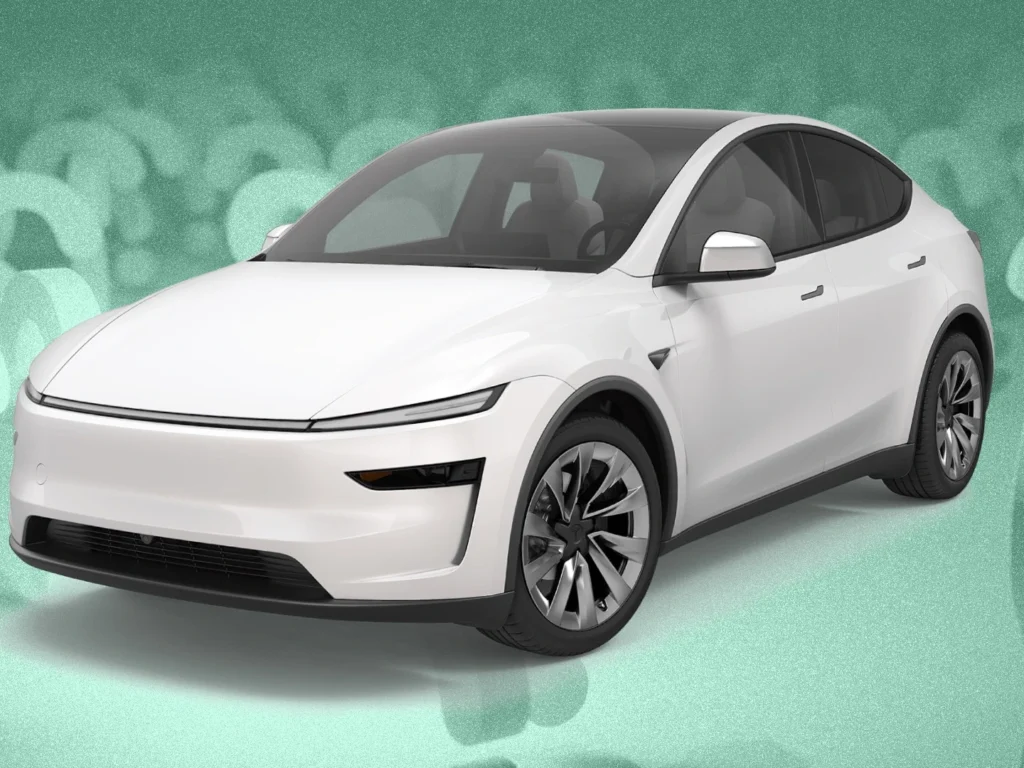
Bay Area Remains a Stronghold for Tesla’s Autonomous Fleet
While Austin steals the spotlight for recent growth, the San Francisco Bay Area and Peninsula region continue to serve as Tesla’s primary hub for Robotaxi operations. With 168 vehicles tracked, the area benefits from Tesla’s proximity to its engineering teams and a mature ecosystem for FSD data collection. Over 6.5 billion real-world miles driven by Tesla’s neural networks have honed the technology, reducing interventions and improving safety metrics.
As we reported in What Does 6.5 Billion Miles Mean for Tesla’s Full Self-Driving?, this massive data trove is transforming autonomous driving, enabling features like the newly available front passenger seat in unsupervised mode. For more on design innovations, check out our piece on Tesla Cybercab Prototypes Spotted with Cybertruck Steering Wheels.
Implications for Tesla’s Future and the EV Market
This fleet expansion is a positive signal for Tesla investors, especially as the company eyes an 8% delivery growth in 2026. With competitors like Waymo and emerging players in China advancing similar tech, Tesla’s aggressive scaling could solidify its lead in the autonomous vehicle space.
Stay tuned to USonWheels.com for the latest updates on Tesla Robotaxi developments, EV news, and autonomous driving trends. If you’re in Austin or the Bay Area, have you tried a Tesla Robotaxi yet? Share your experiences in the comments below!
Sources: Robotaxi Tracker, Tesla announcements, and industry reports. For real-time fleet insights, visit robotaxitracker.com.