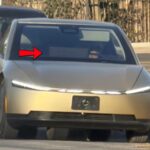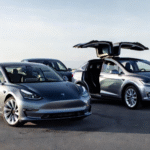
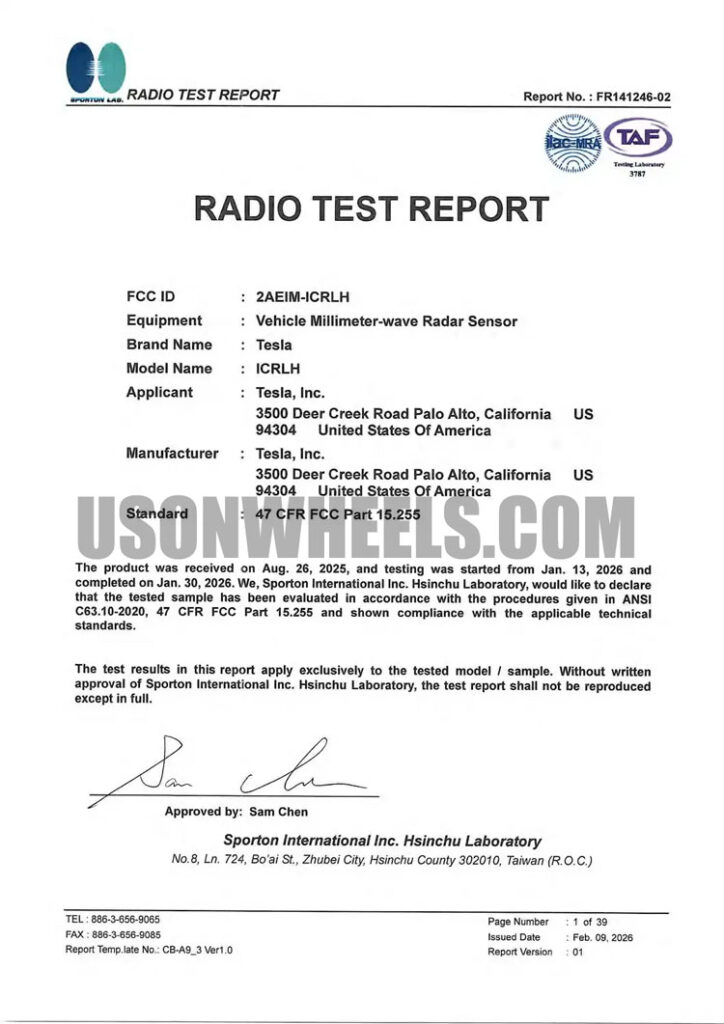
Tesla continues to push boundaries with cutting-edge technology. One such innovation is the millimeter-wave radar sensor, detailed in FCC ID 2AEIM-1616631 (commonly referenced as 2AEIM-ICRLH in related filings). This in-cabin radar, operating in the 60-64 GHz band, is designed for advanced occupant monitoring and safety features. First filed with the Federal Communications Commission (FCC) in early 2021, this sensor has been dormant in select Tesla vehicles since late 2021 but was activated via over-the-air (OTA) updates starting in 2025. As Tesla gears up for new model launches, this radar is poised to become a standard feature, enhancing everything from airbag deployment to child-left-behind alerts. If you’re searching for “Tesla millimeter-wave radar upcoming models” or “FCC ID 2AEIM-ICRLH Tesla safety tech,” this comprehensive guide covers its specs, current integrations, and what’s expected in Tesla’s 2026-2028 lineup.
What Is Tesla’s Millimeter-Wave Radar and How Does It Work?
Tesla’s millimeter-wave radar sensor is a compact, high-resolution device using Frequency-Modulated Continuous Wave (FMCW) technology in the 60-64 GHz spectrum. Unlike traditional radars focused on external environmental sensing for Full Self-Driving (FSD), this one is an in-cabin solution aimed at interior monitoring. It generates a detailed point cloud to detect occupants’ presence, size, position, and even vital signs like breathing and heart rate—independent of lighting, blankets, or other obstructions.
Key capabilities include:
- Occupant Classification: Distinguishes between adults, children, and objects for optimized airbag and seatbelt systems.
- Vital Sign Monitoring: Tracks heart rate and respiration for health alerts or driver drowsiness detection.
- Safety Alerts: Features like child/pet left-behind notifications, which could activate HVAC, open windows, notify owners, or call emergency services.
- Anti-Theft and Security: Detects unauthorized movement inside the vehicle.
This radar addresses limitations in camera-only systems, providing redundancy for safety-critical functions. Tesla’s FCC filing emphasizes its low-power, vehicle-integrated design, certified for compliance with emissions standards. While some early reports speculated it was for external FSD enhancements, community insights and Tesla’s own documentation confirm its primary role in cabin sensing.
Current Integration in Tesla Vehicles
Tesla began installing this radar hardware in vehicles as early as late 2021, but it remained inactive until software update 2025.2.6 in early 2025. Mounted above the front-row dome lights or near the rearview mirror, it initially focused on front-seat monitoring in models like:
- 2022+ Model Y
- Refreshed Model 3 (Highland, 2024+)
- Cybertruck (Foundation Series and later)
- Potentially refreshed Model S and Model X (post-2021 builds)
By Q3 2025, updates expanded to full-cabin 4D monitoring, including rear seats, enabling advanced features like dynamic airbag control and emergency responses. This aligns with Tesla’s software-defined vehicle philosophy, where OTA updates unlock hardware potential without physical changes.
Expected Use in Upcoming Tesla Models (2026-2028)
As Tesla ramps up production toward 3-5 million vehicles annually by 2028, the millimeter-wave radar is set to become ubiquitous in new and refreshed models. Its FCC approval paves the way for seamless integration in autonomous-focused vehicles, where occupant safety is paramount. Here’s a breakdown of anticipated models, based on leaks, earnings calls, and analyst projections—timelines may shift, but radar inclusion is highly likely for enhanced safety and FSD compliance.
| Model | Expected Launch Year | Radar Integration Details | Key Safety Features Enabled |
|---|---|---|---|
| Model Y Refresh (Juniper) | 2026 | Enhanced 4D version for full-cabin monitoring | Vital sign detection, rear-seat alerts, dynamic airbags; standard in efficiency-focused updates with Starlink integration. |
| Model Y 7-Seater Refresh | 2026 | Standard for multi-passenger sensing | Occupant classification for all rows, seatbelt reminders. |
| Model Y L (Long-Wheelbase) | 2026 (EU/NA) | Extended coverage for larger interiors | Full interior scanning, ideal for family/cargo variants. |
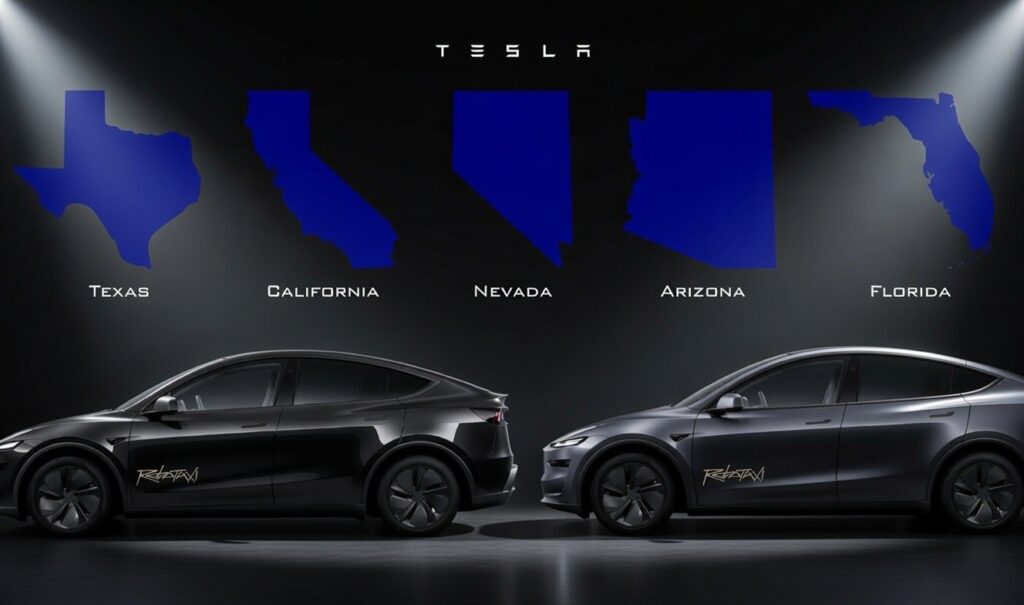
| Cybercab (Robotaxi) | 2026 (Production Start) | Critical for passenger detection in driverless mode | Health monitoring during rides, left-behind prevention, security in unsupervised FSD; ties into HW5 suite. |
| Model 2 (Compact EV) | 2026-2027 | Standard for affordable safety tech | Entry-level vital monitoring, aligning with under-$30K pricing. |
| Roadster (Next-Gen) | 2027 | Likely for driver/passenger monitoring | High-performance health tracking, anti-theft features. |
| Model S/X Refresh | 2026-2027 | Built on existing post-2021 hardware | Premium expansions like rear-screen integrations with full-cabin sensing. |
| Larger SUV/Van (3-Row) | 2027-2028 | Comprehensive for family vehicles | Multi-row alerts, child presence detection per NCAP standards. |
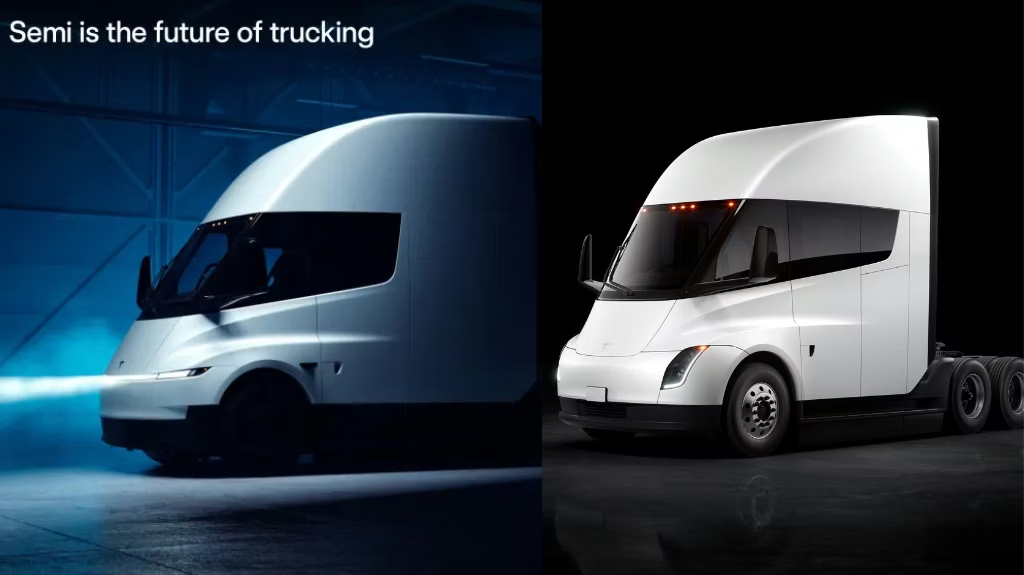
| Semi Gen 2 (Truck) | 2027-2028 | Possible for cabin-focused driver monitoring | Fatigue detection in long-haul operations, if equipped. |
These integrations reflect Tesla’s shift toward multimodal sensors, complementing vision-based systems for robust autonomy. For instance, in the Cybercab—a two-seater robotaxi without a steering wheel—this radar ensures passenger verification and emergency handling, crucial for ridesharing fleets expanding to cities like Miami and Dallas by mid-2026.
Market Implications and Competitive Edge
Tesla’s radar re-engagement counters competitors like Rivian, Ford, and GM, who rely on diverse sensor suites for ADAS. By adding this in-cabin layer, Tesla closes gaps in reliability, especially for adverse conditions or regulatory requirements like Euro NCAP’s child detection mandates. It’s a strategic move as Tesla eyes global FSD approvals, including in Europe by early 2026.
The Future of Tesla Safety Tech
Tesla’s FCC-approved millimeter-wave radar (ID 2AEIM-ICRLH/1616631) marks a pivotal evolution in vehicle safety, blending hardware innovation with OTA scalability. From the 2026 Model Y Juniper refresh to the autonomous Cybercab and beyond, expect this tech to redefine occupant protection in Tesla’s lineup through 2028. Stay tuned for official announcements—Tesla’s quarterly updates often reveal more. If you’re considering a new Tesla, this radar could be a game-changer for family safety and peace of mind.