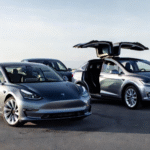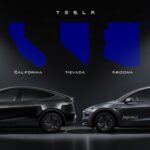
Tesla’s vehicle lineup is evolving rapidly as the company shifts toward autonomy, robotics, and high-volume production. With the Cybercab (Robotaxi) already announced for production starting in the first half of 2026, enthusiasts searching for “Tesla new models 2026” or “Tesla launches 2027” are eager for details on what’s next. Based on cross-verified sources from Tesla’s shareholder meetings, earnings calls, and industry reports, this guide breaks down the expected models for the second half of 2026 and 2027. We’ve focused on vehicles, including cars, trucks, and vans, while noting refreshes and discontinuations. All timelines and specs are substantiated from official statements and reliable analyses to provide accurate insights for terms like “Tesla Roadster release date” or “Tesla Semi production 2026.”
Second Half of 2026: Ramp-Up of Autonomy and Heavy-Duty EVs
The latter part of 2026 marks a pivotal period for Tesla, with production ramps for autonomous vehicles and commercial trucks. This aligns with CEO Elon Musk’s vision of scaling unsupervised Full Self-Driving (FSD) and expanding the Robotaxi network.
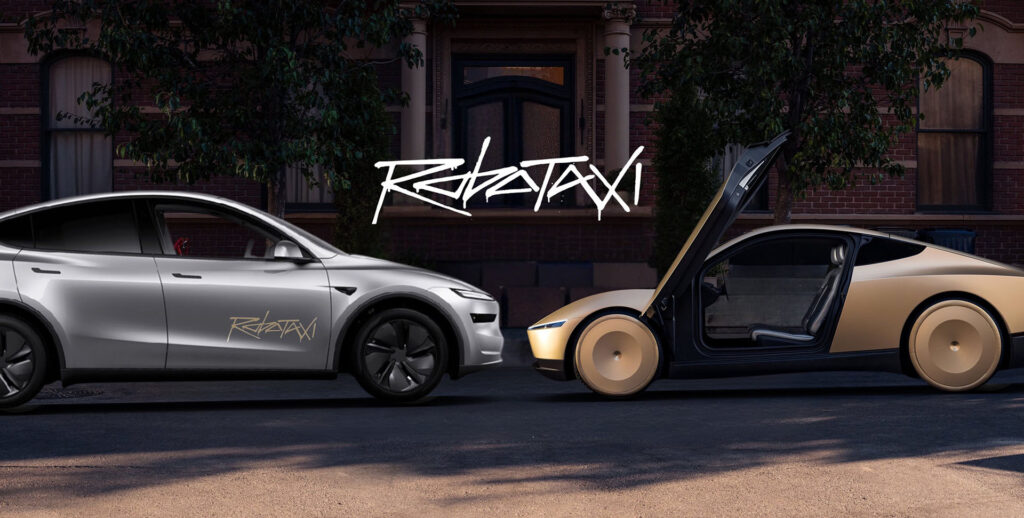
Tesla Cybercab (Robotaxi): Full-Scale Availability and Fleet Integration
While production begins in April 2026 at Giga Texas, the second half of the year is when the Cybercab is expected to see widespread availability and initial fleet deployments. This two-seater autonomous EV, priced around $30,000, features no steering wheel or pedals, dihedral doors, and a focus on low-cost operation (25-30 cents per mile). Key specs include a compact design for urban efficiency, AI5 hardware for unsupervised FSD, and integration into Tesla’s ride-hailing app.
- Timeline: Volume production in H1, but full rollout and unsupervised FSD testing expand in H2, with initial units in markets like Austin and the Bay Area.
- Why It Matters: As Tesla’s entry into robotaxis, it could disrupt services like Uber, with owners able to earn passive income by adding vehicles to the network.
Cross-verified from Tesla’s 2025 shareholder meeting and recent prototypes spotted.
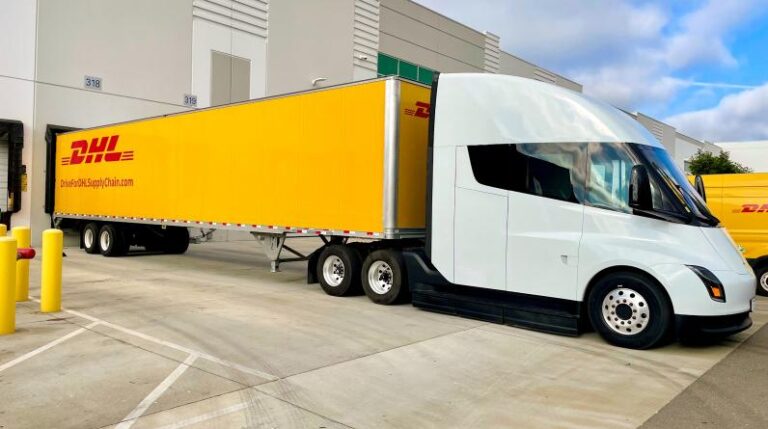
Following the successful trial of Tesla’s Semi electric truck, DHL Supply Chain USA has announced it is now planning to introduce the vehicle into its fleet when Tesla begins large-scale production in 2026.
Over a two-week trial period this summer, DHL Supply Chain USA integrated the e-truck into 5,000km of normal operations in Livermore, California. The trial included one long-haul route of 625km – fully loaded with a gross combined weight of 75,000 lb (34 metric tons) – confirming the Tesla Semi’s ability to carry typical DHL payloads over a long distance on a single charge.
Tesla Semi: Volume Production for Commercial Fleets
The Tesla Semi, an all-electric Class 8 truck, enters volume production in the second half of 2026 at the Nevada factory. This model boasts up to 500 miles of range, rapid charging via Megachargers, and Cybertruck-inspired styling.
- Specs: 1,072 horsepower, 0-60 mph in 20 seconds (fully loaded), and energy efficiency of under 2 kWh per mile.
- Timeline: Full-scale ramp throughout H1, with deliveries accelerating in H2 alongside new Megacharger deployments.
- Pricing: Starting around $150,000-$180,000, depending on range variants.
This isn’t a passenger car but a key model for Tesla’s commercial push, cross-verified from earnings calls and roadmap updates.
Model Y Refresh and Extended Variant: Enhanced Family SUV
The Model Y receives a “soft refresh” in 2026, including a new 7-seater option in the U.S., updated interior (black headliner, matte-black badging), new wheels, and a 16-inch high-definition center screen. The Model Y L (longer-wheelbase, 6-seater) may launch in North America late 2026, offering more space and a 467-mile range.
- Timeline: Refreshes rolling out early 2026, with Model Y L potentially in H2 for the U.S. market.
- Pricing: Starting at $39,990 for the base, with premiums up to $44,990.
- Why Wait?: These updates make the Model Y more competitive, but no major changes expected for 2027.
Sources confirm this as an iterative update rather than a new model.
Notable Discontinuation: Model S and Model X production ends in Q2 2026 to repurpose factory space for Optimus robots.
2027: Performance Focus and Potential Affordable Entries
2027 shifts emphasis to high-performance and scalable autonomy, with fewer new models but significant tech upgrades like the AI5 chip.
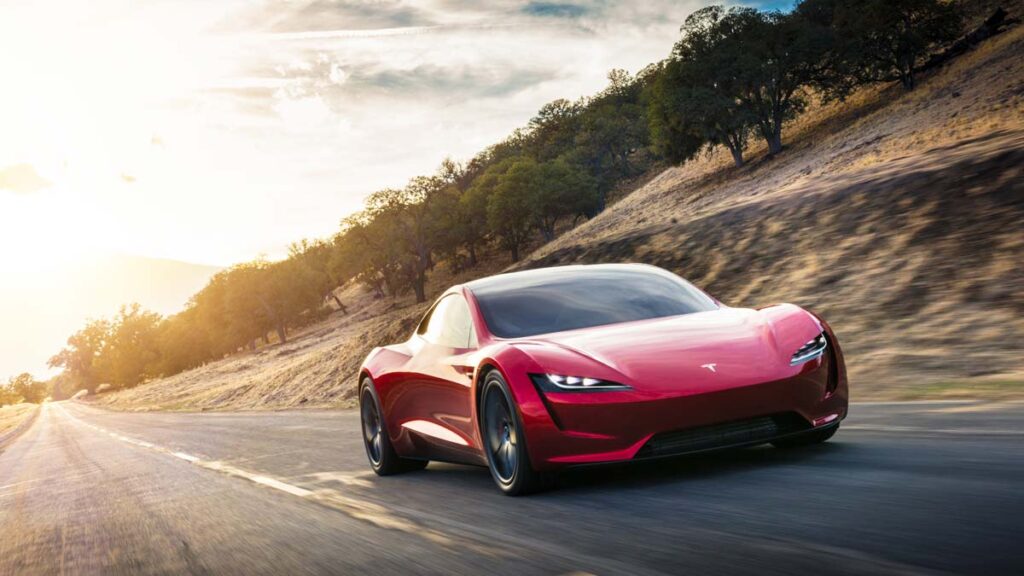
Tesla Roadster: The Halo Supercar Finally Arrives
The second-generation Roadster, teased since 2017, is set for production starting in mid-2027. Unveiled on April 1, 2026, this tri-motor EV promises over 1,000 horsepower, 0-60 mph in under 2 seconds (potentially sub-1 with SpaceX thrusters), and a 620-mile range.
- Specs: All-wheel drive, removable glass roof, seating for four (with small rear seats), and advanced aero for top speeds over 250 mph.
- Timeline: Production 12-18 months post-unveil, targeting H1-H2 2027 deliveries.
- Pricing: Base at $200,000, Founders Series up to $250,000.
Cross-verified from Musk’s statements and job listings indicating ongoing development.
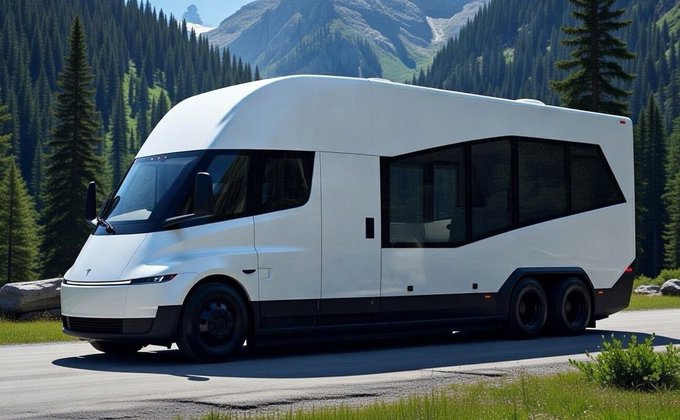
Tesla Robovan (Robus): Autonomous Van on the Horizon
The art deco-inspired Robovan, unveiled in 2024, seats up to 20 or handles cargo, with no confirmed 2027 launch but potential prototypes or early integrations (e.g., Vegas Loop) in 2027-2028. Features include sliding doors, mood lighting, and full autonomy at 5-10 cents per mile.
- Timeline: Earliest production 2028, but 2027 for demos or fleet tests.
- Pricing: Unannounced, targeted for fleet affordability.
Sources indicate it’s further out, with no firm 2027 commitment.
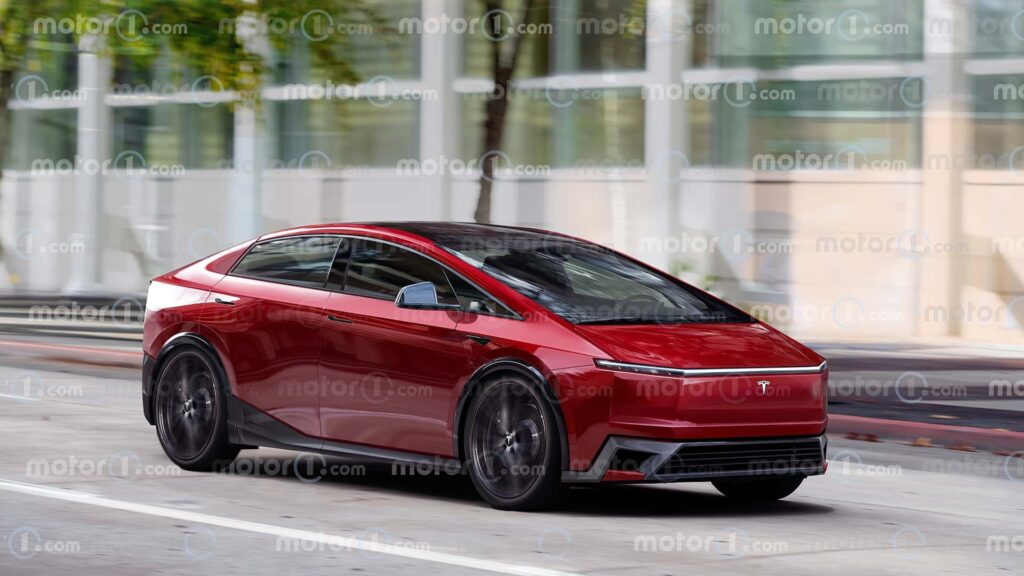
Rumored Tesla Model 2: Affordable EV Speculation
Persistent rumors suggest a $15,000-$25,000 Model 2 in 2026-2027, with 300-450 mile range and compact design. However, cross-verification shows Tesla pivoted to the Cybercab, with no official confirmation—likely delayed to 2027 or beyond if revived.
Tesla’s Broader 2026-2027 Outlook: Autonomy and Beyond Vehicles
While vehicle launches are limited, 2027 brings AI5 volume production for enhanced FSD. Optimus robots ramp in 2026, with public sales in 2027. For “Tesla future models,” expect focus on software and ecosystem integration. Monitor official channels for updates, as timelines can shift.