In a pivotal moment for the autonomous vehicle industry, Tesla’s Vice President of Vehicle Engineering, Lars Moravy, testified before the U.S. Senate Commerce Committee on February 4, 2026, emphasizing the urgent need for updated regulations to accelerate self-driving technology deployment. The hearing, titled “Hit the Road, Mac: The Future of Self-Driving Cars,” brought together key players like Tesla and Waymo to address safety, innovation, and global competition in the rapidly evolving sector of autonomous driving.
Senate Hearing Highlights: Tesla and Waymo Push for Regulatory Reform
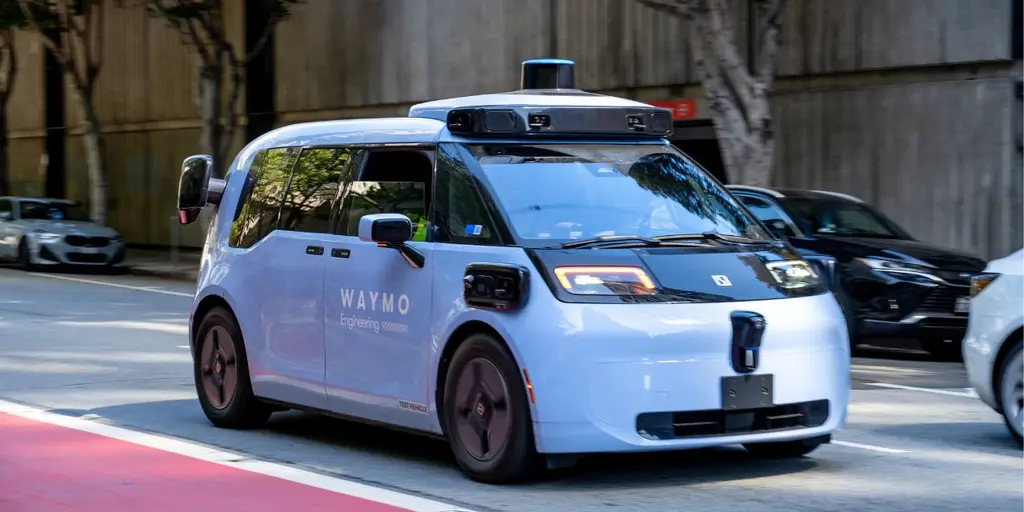
The Senate Commerce Committee, chaired by Senator Ted Cruz (R-Texas), convened to discuss establishing a national safety standard for autonomous vehicles (AVs). Current state-by-state regulations have created a fragmented landscape, hindering widespread adoption and innovation. Witnesses, including Moravy from Tesla and Mauricio Peña, Chief Safety Officer at Waymo, warned that without federal action, the U.S. risks falling behind China in this trillion-dollar industry.
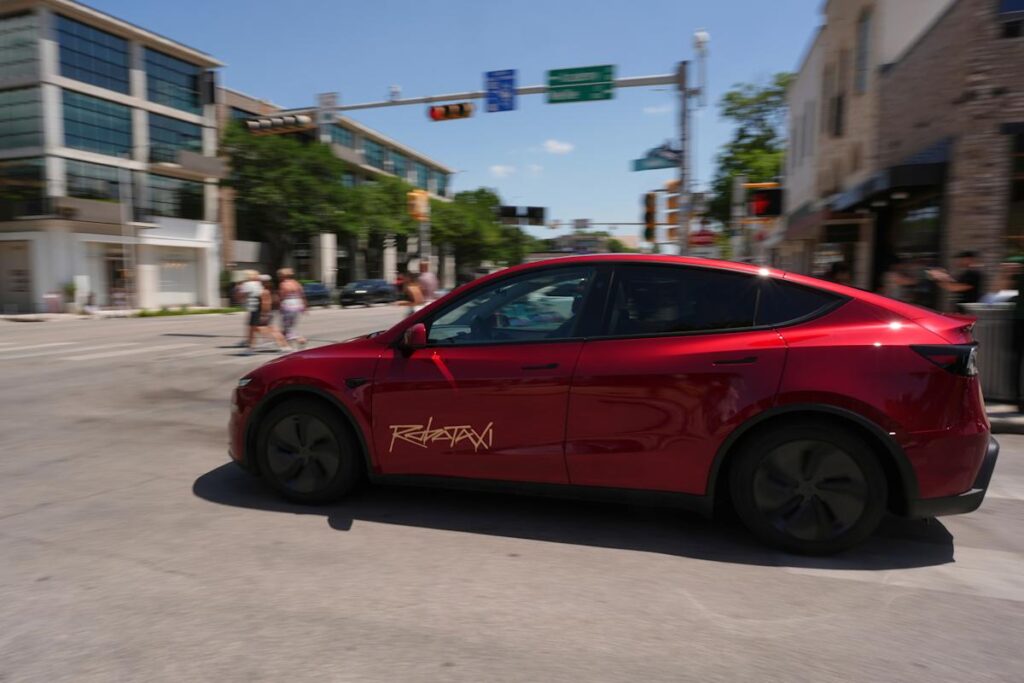
Moravy highlighted Tesla’s impressive safety data for its Full Self-Driving (FSD) Supervised system, noting that vehicles using the technology average 5.1 million miles before a major collision—over seven times better than the U.S. human driver average of 699,000 miles. For minor accidents, Tesla reports one every 1.5 million miles, compared to the national average of 229,000 miles. He urged Congress to “modernize regulations that inhibit industry’s ability to innovate,” arguing that outdated rules are stifling progress.
Waymo’s Peña echoed these sentiments, defending the company’s safety record by stating that its self-driving vehicles experience 10 times fewer serious injury crashes than human drivers under similar conditions. He referenced an independent audit of Waymo’s safety efforts and stressed the strategic importance of AVs, likening it to advancements in flight and space travel. Both executives pointed to China’s heavy investments in autonomous technology as a direct threat, with Democratic Senator Gary Peters noting the global race for dominance in the automotive future.
Other witnesses included Jeff Farrah, CEO of the Autonomous Vehicle Industry Association, and Bryant Walker Smith, a transportation law expert from the University of South Carolina. The discussion also touched on broader benefits, such as reducing the 94% of crashes caused by human error and improving mobility for people with disabilities.
Implications for Tesla’s Autonomous Driving Ambitions and the Broader EV Market
This testimony comes at a critical time for Tesla, which continues to push boundaries in electric and autonomous vehicles. As we previously explored in our article on the Tesla Launches 2026 Model Y with Black Headliner and Upgraded 16-Inch Display in China, Tesla is enhancing its lineup with premium features to appeal to global markets. Regulatory clarity could supercharge the rollout of Tesla’s Robotaxi plans and Cybercab prototypes, which we’ve covered in discussions around innovative EV concepts like the Nissan Leaf Nismo and Tesla Cybercab sightings.
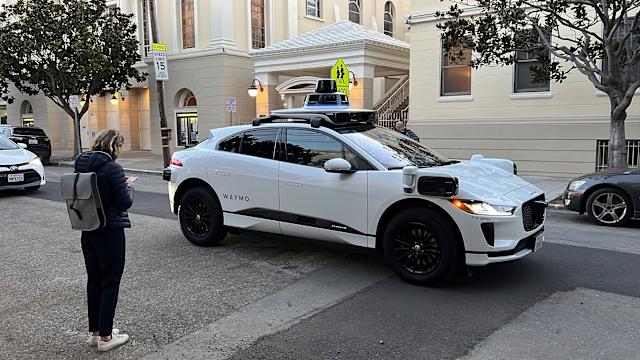
For the industry at large, passing long-stalled legislation could remove barriers to deploying robotaxis without human controls, fostering competition and safety improvements. However, recent incidents, such as Waymo vehicles involved in school bus-related probes, underscore the need for balanced oversight to maintain public trust.
The Road Ahead: Will Congress Accelerate Self-Driving Adoption?
As the hearing unfolds, the message is clear: The U.S. must lead in autonomous vehicle development or risk ceding ground to international rivals. With Tesla and Waymo at the forefront, this could mark a turning point for self-driving cars, promising safer roads and economic growth. Stay tuned to USonWheels.com for updates on Tesla’s innovations, EV trends, and the future of autonomous driving. For more insights, check out our contact page to share your thoughts.