In a groundbreaking development for the electric vehicle (EV) industry, Tesla has officially started production of the Cybercab, an autonomous robotaxi that’s not just for commercial fleets but available for personal purchase at under $30,000. This sleek, steering-wheel-free EV promises to revolutionize personal transportation, allowing owners to sleep, work, or even play games while the car handles the driving thanks to Tesla’s advanced unsupervised Full Self-Driving (FSD) technology.
As highlighted in a recent viral tweet from Tesla enthusiast Nic Cruz Patane (@niccruzpatane), the Cybercab isn’t limited to ride-hailing services like Uber or Lyft. Individuals can own one, unlocking new levels of freedom for those unable to drive due to age, disabilities, or other reasons. The tweet, which has garnered over 2,300 likes and 150,000 views, features a video showcasing the Cybercab’s futuristic design, including butterfly doors, a spacious interior with large screens, and seamless autonomous navigation through city streets at night.
What is the Tesla Cybercab? Key Features and Design
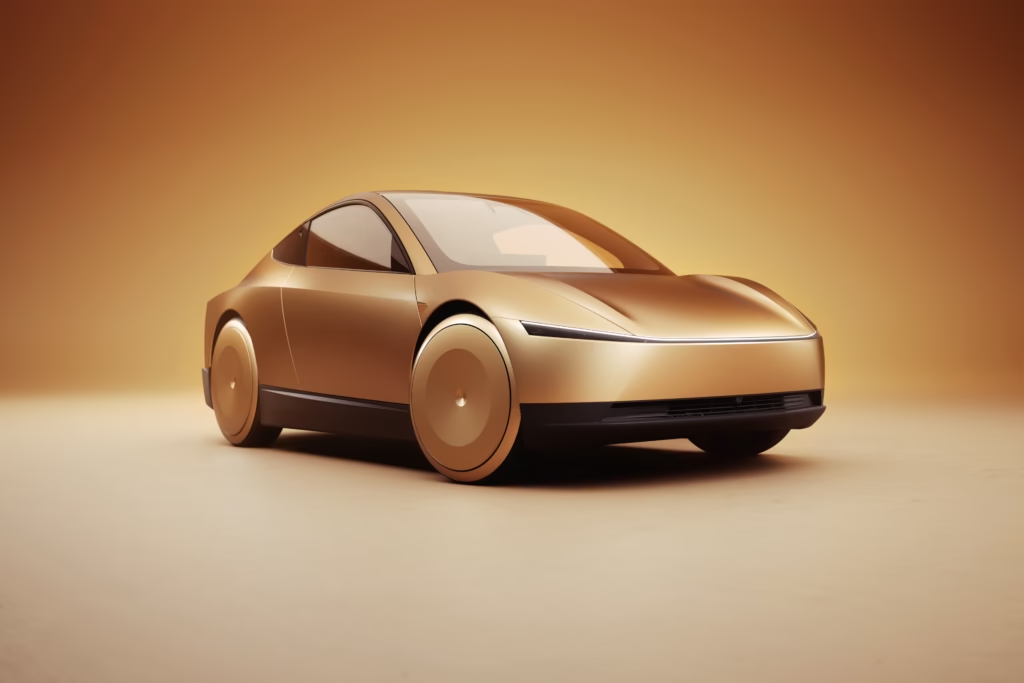
The Tesla Cybercab is a two-passenger autonomous vehicle designed from the ground up for self-driving capabilities. Unlike traditional cars, it lacks a steering wheel or pedals, relying entirely on Tesla’s vision-based FSD system. Key features include:
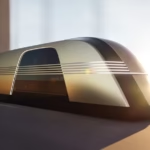
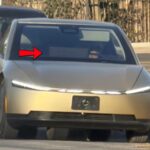
- Futuristic Aesthetics: A metallic gold exterior with smooth, aerodynamic lines and hubless wheels that give it a sci-fi vibe.
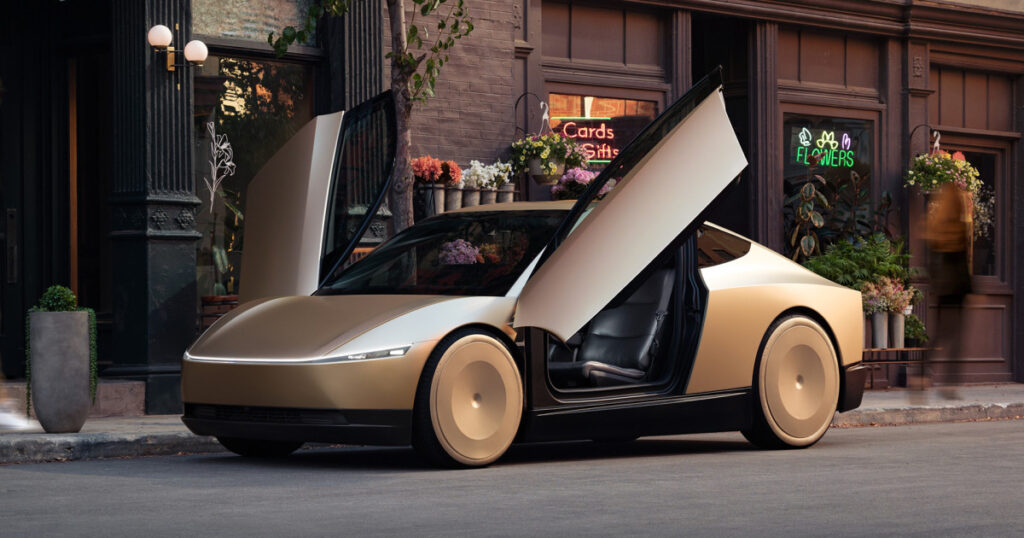
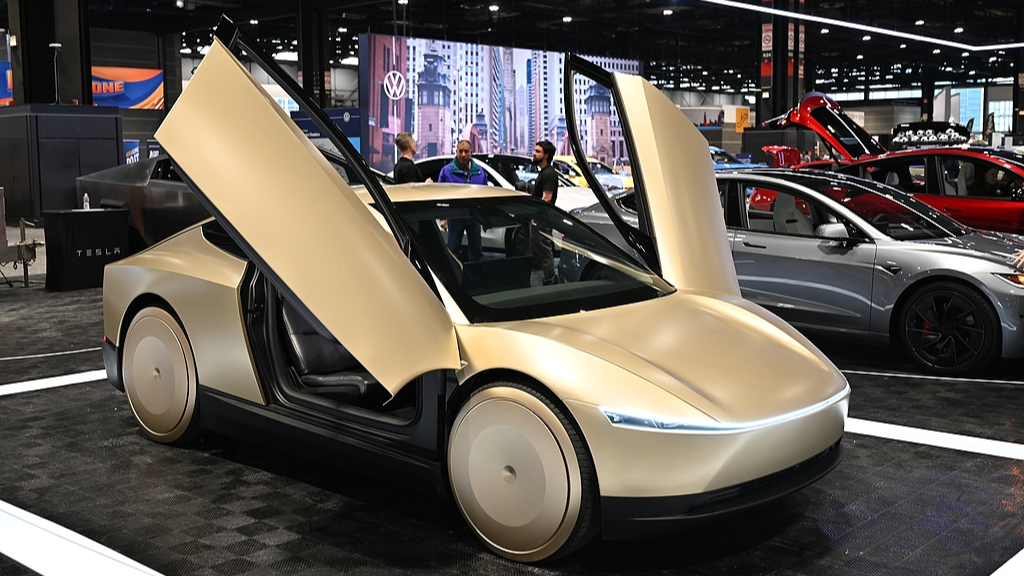
- Butterfly Doors: Easy access to a plush interior equipped with ambient lighting and a massive touchscreen for entertainment and navigation.
- Inductive Charging: No need for plugs; the Cybercab charges wirelessly for ultimate convenience.
- Unsupervised FSD: Powered by neural networks trained on billions of miles of data, allowing hands-free operation where approved.
- Safety and Testing: Prototypes have been rigorously tested in diverse environments, from Texas highways to New York city streets and even Alaskan conditions.
The video in the tweet demonstrates the Cybercab in action: doors opening gracefully, passengers interacting with the infotainment system, and the vehicle smoothly pulling up to curbsides in a vibrant urban night setting. This aligns with Tesla’s vision of making transportation more accessible and enjoyable.
Tesla Cybercab Price and Availability: Affordable Autonomy Hits the Market
Elon Musk has confirmed that the Cybercab will be available for personal purchase this year (2026) at a starting price of $30,000 or less. Production kicked off at Gigafactory Texas on February 17, 2026, with volume manufacturing slated for April. While initial units may go to ride-hailing companies, retail sales to consumers are on the horizon, potentially before 2027 as per Musk’s response to a high-profile bet with tech reviewer MKBHD.
This pricing makes the Cybercab one of the most affordable autonomous vehicles on the market, undercutting competitors and democratizing self-driving tech. For comparison, Tesla’s entry-level Model 3 is currently priced at $36,990, but the Cybercab’s specialized design focuses purely on autonomy, slashing costs through simplified hardware.
How Unsupervised FSD Changes the Game for Tesla Cybercab Owners
At the heart of the Cybercab is Tesla’s Full Self-Driving (FSD) software, which is evolving toward fully unsupervised operation. Tesla owners have already logged over 8 billion miles on FSD Supervised, and Musk projects reaching 10 billion miles by July 2026 for safer unsupervised deployment. This means Cybercab owners can truly relax during commutes, turning travel time into productive or leisure time.
For those with disabilities or the elderly, this represents a life-changing innovation, providing independence without the need for manual controls. As Patane noted in his tweet, “Tesla Self-Driving and Cybercab will change the lives of many.”
However, challenges remain: FSD is not yet approved for unsupervised use everywhere, and regulatory hurdles could delay widespread adoption. Tesla is pushing forward, with plans for unsupervised FSD in Model 3 and Model Y in Texas and California by 2025.
The Broader Impact: End of Traditional Car Ownership?
The Cybercab could signal the end of car ownership as we know it, with high utilization through shared fleets potentially reducing costs to $0.20 per mile. Owners might even monetize their vehicles by adding them to Tesla’s robotaxi network when not in use, turning the Cybercab into an income-generating asset.
This aligns with Tesla’s broader autonomous ecosystem, including the upcoming Robovan for larger groups. As we covered in our earlier article, Tesla Robovan 2026: The Autonomous Vehicle Revolutionizing Family Travel as a Rolling Living Room, Tesla is expanding its lineup to cover all transportation needs.
Stay Updated on Tesla and EV News
For more on Tesla’s innovations, check out our recent coverage:
- Tesla Model 3 Price Drops to $36,990: 26% Cheaper Than Average New Car in US – Is This the Best EV Deal in 2026?
- Tesla’s NEW Millimeter-Wave Radar FCC Filing: List of Upcoming Tesla Models with NEW In-Cabin Millimeter-Wave Radar Integration (2026-2028)
What do you think about owning a $30,000 autonomous Cybercab? Share your thoughts in the comments below, and subscribe to USonwheels.com for the latest EV and automotive news.