In a groundbreaking development for autonomous driving enthusiasts, Tesla has rolled out a new interface feature that allows owners to seamlessly convert their vehicles into personal Robotaxis with just a tap. This innovation, highlighted in a recent tweet by Tesla expert Nic Cruz Patane, marks a significant step forward in Tesla’s Full Self-Driving (FSD) ecosystem, potentially revolutionizing how we think about car ownership and ride-sharing.
The tweet, which quickly garnered attention with over 2,500 views, showcases a sleek Tesla dashboard screen featuring a prominent blue “Start Self-Driving” button. Accompanied by options like “Park” and “Tap to reverse,” the interface appears designed for effortless activation of unsupervised autonomous mode. The battery indicator at 69% adds a touch of everyday realism to this futuristic setup.
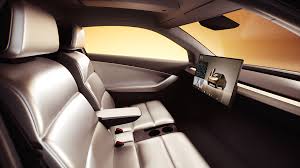
What is the ‘Start Self-Driving’ Button and How Does It Work?
This button essentially enables Tesla owners to opt their vehicles into the Robotaxi network, allowing the car to operate as an autonomous ride-hailing service when not in personal use. As Elon Musk previously announced, this feature turns your Tesla into a revenue-generating asset, similar to Uber but without a human driver. Owners can earn money by letting their cars ferry passengers autonomously, leveraging Tesla’s advanced FSD software.
The rollout builds on Tesla’s ongoing unsupervised Robotaxi operations in Austin, Texas, where the company has already launched public rides using Model Y vehicles without safety monitors. Starting from January 22, 2026, riders in Austin can hail fully driverless Teslas, with the option to sit in the front seat for the first time. This personal Robotaxi capability extends that technology to individual owners, potentially expanding the fleet exponentially.
To activate, users simply tap the button on their vehicle’s touchscreen, initiating self-driving mode. The system integrates with the Tesla app for ride requests, ensuring seamless integration into the broader Robotaxi network. Safety remains paramount, with built-in redundancies and remote monitoring, though no physical intervention is required in unsupervised mode.
The Broader Implications for Autonomous Driving and EV Adoption
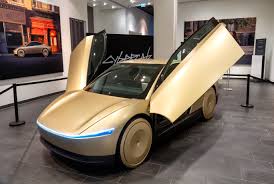
This feature arrives amid Tesla’s aggressive push into robotaxis, following the initial launch in Austin last June and subsequent expansions. With production of the dedicated Cybercab set to begin in April 2026 using an innovative “unboxed” assembly process, personal vehicle integration could bridge the gap until full-scale deployment.
For EV owners, this means turning idle cars into income sources, addressing common concerns about vehicle depreciation and utilization. It also accelerates the shift toward sustainable transportation, reducing the need for personal car ownership in urban areas. However, regulatory hurdles, such as approvals from bodies like the UNECE in Europe, remain a challenge for global rollout.
As Tesla continues to refine its FSD software—recently updated to v14.2.2.4—this button could become a staple in all compatible models, including the Model 3, Model Y, and upcoming Cybercab.
Tesla’s Rapid Robotaxi Expansion: A Look Back
This announcement aligns with Tesla’s recent fleet growth, where 40 new Model Y vehicles were added to the Austin Robotaxi service in just nine days due to surging demand. Read our earlier coverage on the Tesla Robotaxi Fleet Surge here.
Additionally, the allowance of front passenger seats in unsupervised mode, as detailed in our January 22 article, paves the way for more user-friendly autonomous experiences. Check out the full story on the Tesla Robotaxi Revolution.
For more on Tesla’s FSD advancements, see our breakdown of the latest update: Tesla Rolls Out FSD v14.2.2.4 – Here’s Why It’s a Must-Update.
And don’t miss our insights into the upcoming Cybercab production: Tesla Cybercab Production Set to Launch in Less Than 100 Days.
Final Thoughts: The Future of Mobility is Here
Tesla’s ‘Start Self-Driving’ button is more than a UI element—it’s a portal to a driverless future. As adoption grows, expect this to boost EV sales and reshape urban mobility. Stay tuned to USonwheels.com for the latest on Tesla, EVs, and autonomous tech. What are your thoughts on turning your Tesla into a Robotaxi? Share in the comments below!