
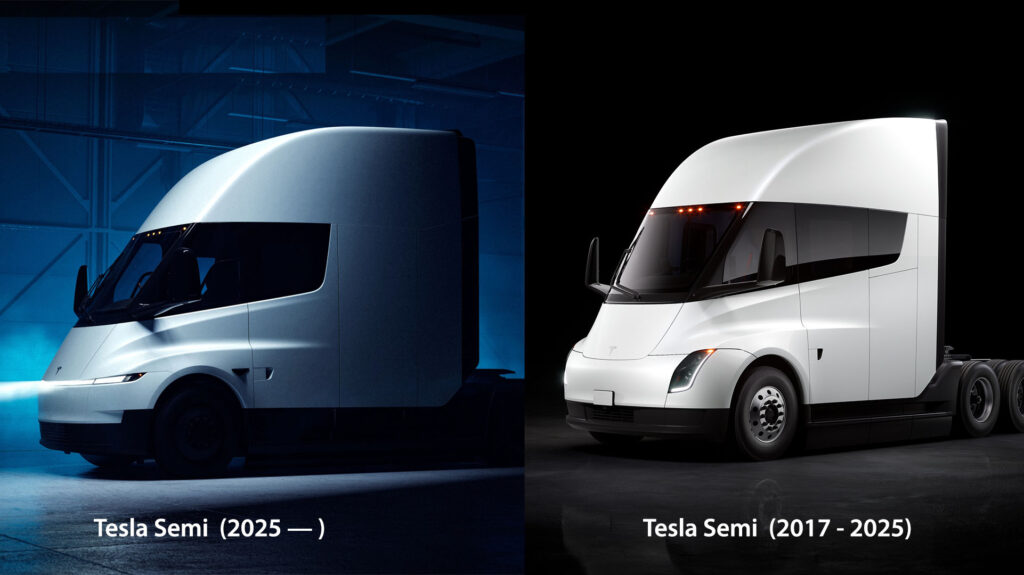
Tesla is accelerating the shift to electric trucking. In February 2026, CEO Elon Musk confirmed on X that “Tesla Semi starts high volume production this year,” aligning with Tesla’s official website update stating deliveries start in 2026.
This marks a major milestone for the long-awaited Class 8 electric semi truck, first unveiled in 2017. After years of pilot programs and design refinements, the Tesla Semi is poised for scaled manufacturing at Giga Nevada, targeting up to 50,000 units annually once fully ramped.
Here’s everything you need to know about the Tesla Semi 2026 production timeline, specs, pricing rumors, benefits, and its impact on the trucking industry.
Tesla Semi 2026: Official Specs and Features
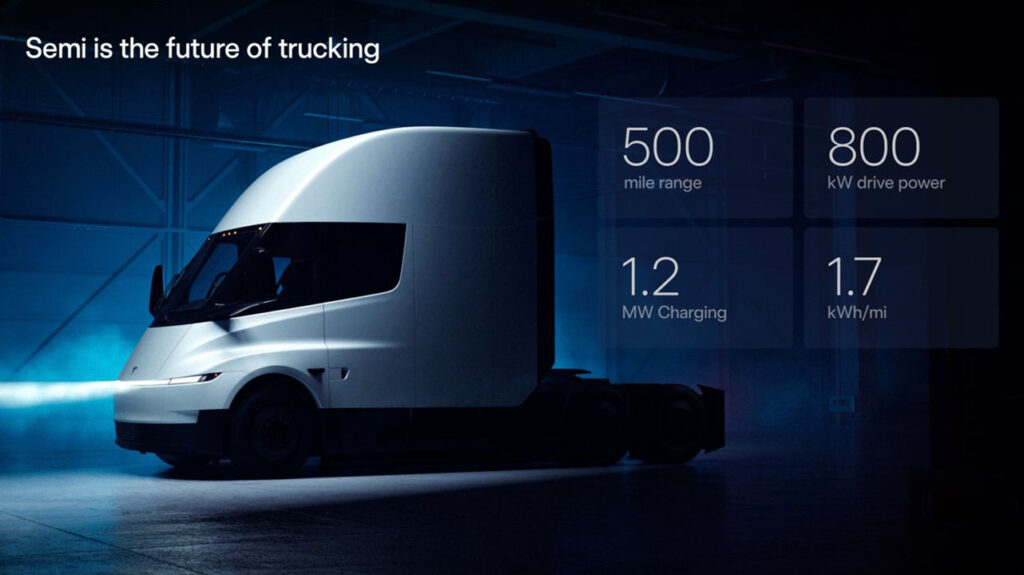
Tesla’s updated Semi page details two production trims optimized for different fleet needs. Both models feature a three-motor electric powertrain on the rear axles, delivering up to 800 kW of drive power, instant torque, and superior efficiency.
Key Specs (Both Trims):
- Gross Combination Weight: 82,000 lbs
- Energy Consumption: 1.7 kWh per mile
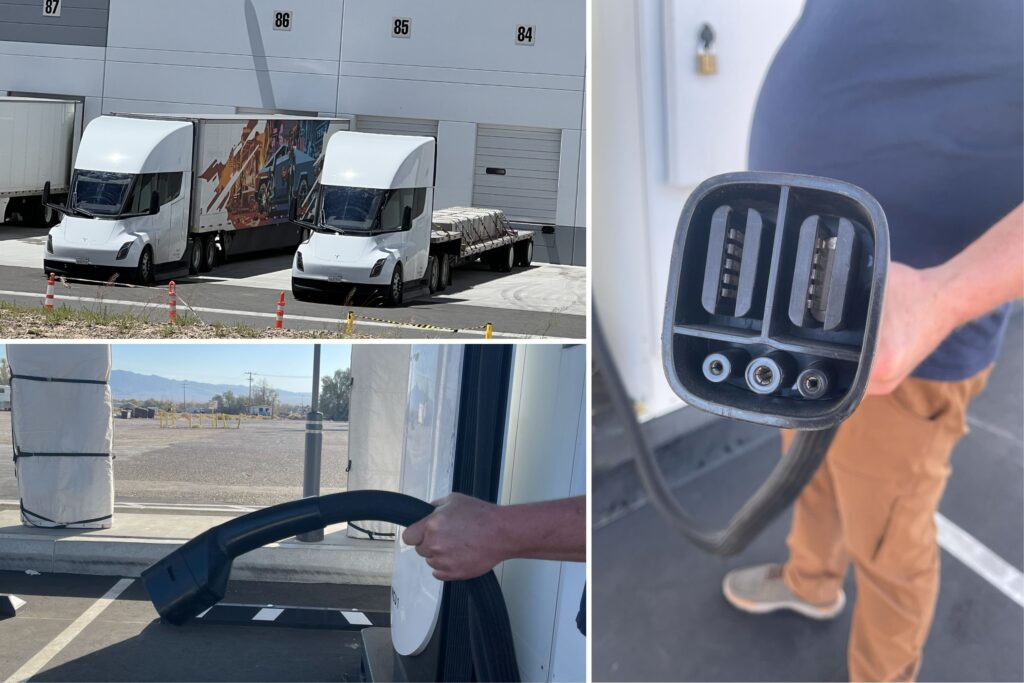
- Fast Charging: Up to 60% range in 30 minutes via Tesla Semi Chargers (MCS 3.2 standard; up to 1.2 MW peak on Long Range)
- ePTO: Up to 25 kW for auxiliary power
- Safety Features: Central driver seating for better visibility, advanced active safety, reduced rollover risk, and over-the-air updates
Standard Range:
- Range: Approximately 325 miles
- Curb Weight: Under 20,000 lbs
Long Range:
- Range: Approximately 500 miles (estimated)
- Curb Weight: 23,000 lbs
These figures come directly from Tesla’s official site and represent real-world performance with full loads. The refreshed 2025-2026 design includes weight reductions (nearly 1,000 lbs lighter in some areas) and aerodynamic improvements for even better efficiency.
Charging Infrastructure: Tesla is expanding its Megacharger network in 2026, with dozens of new sites planned across the U.S. to support long-haul operations.
Production Timeline and Manufacturing Details
- High-Volume Production: Starts in 2026 at a dedicated line next to Giga Nevada (tooling already in place).
- First Deliveries: Expected in the first half of 2026, with online builds ramping up early in the year.
- Capacity Goal: Up to 50,000 trucks per year at full scale.
This follows Q4 2025 earnings guidance, where Tesla confirmed preparations for Semi production ramps in H1 2026 alongside the Cybercab. Earlier delays pushed the timeline from 2025 targets, but the 2025 design refresh finalized the vehicle for mass production.
Why Fleets Are Excited: Cost Savings, Performance, and Sustainability
The Tesla Semi promises lower total cost of ownership than diesel trucks:
- Electricity is cheaper per mile than diesel.
- Fewer moving parts mean reduced maintenance (no oil changes, emissions systems, or complex aftertreatment).
- Potential ROI in under 2-3 years for high-mileage operators.
Performance advantages include unmatched acceleration for safer merging, better traction in all conditions, and quieter operation. Environmentally, it eliminates tailpipe emissions, supporting fleet decarbonization goals.
Pricing and Availability
Tesla has not publicly listed prices on its site, but customer quotes and reports indicate:
- Standard Range: Around $250,000–$260,000
- Long Range: Around $290,000–$300,000
These are higher than the 2017 targets ($150k/$180k) due to inflation and advanced battery tech, but still competitive with premium electric trucks when factoring in operating savings.
Fleets can contact Tesla directly via the Semi page to reserve and specify trim preferences.
Tesla Semi vs. Competitors in 2026
The Tesla Semi stands out with its superior range (up to 500 miles) and ultra-fast 1.2 MW charging. Rivals like Freightliner’s eCascadia, Volvo’s electric trucks, or emerging players (e.g., Windrose’s similar-looking Chinese-built models) often lag in efficiency or charging speed. Tesla’s integrated Megacharger network and over-the-air updates give it a strong edge for long-haul U.S. routes.
Challenges Ahead
While promising, the launch occurs amid shifting U.S. EV policies and high upfront costs. Tesla must prove real-world durability at scale and expand charging infrastructure rapidly.
What This Means for the Trucking Industry
The 2026 Tesla Semi volume production could accelerate the electrification of heavy-duty trucking, potentially saving fleets billions in fuel and maintenance while cutting carbon emissions dramatically. With Class 8 trucks representing a huge portion of U.S. freight emissions, Tesla’s entry at scale is a pivotal moment.
Ready to go electric? Contact Tesla for fleet inquiries or stay tuned for first customer deliveries later in 2026.
FAQ: Tesla Semi 2026 Production
When does Tesla Semi volume production start?
High-volume production begins in 2026, with deliveries starting the same year.
What are the Tesla Semi’s range options?
Standard Range (~325 miles) and Long Range (~500 miles).
How fast can the Tesla Semi charge?
Up to 60% range in 30 minutes, with 1.2 MW peak capability.
Where is the Tesla Semi built?
At Giga Nevada in a new dedicated facility.
Is the Tesla Semi cheaper to operate than diesel?
Yes—significantly lower energy and maintenance costs.