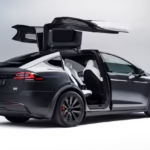
Tesla continues to lead the US electric vehicle market by a wide margin. According to Cox Automotive and Kelley Blue Book estimates, the company captured 52.3% of all new battery-electric vehicle (BEV) sales in the first half of 2026, delivering an estimated 242,100 units.
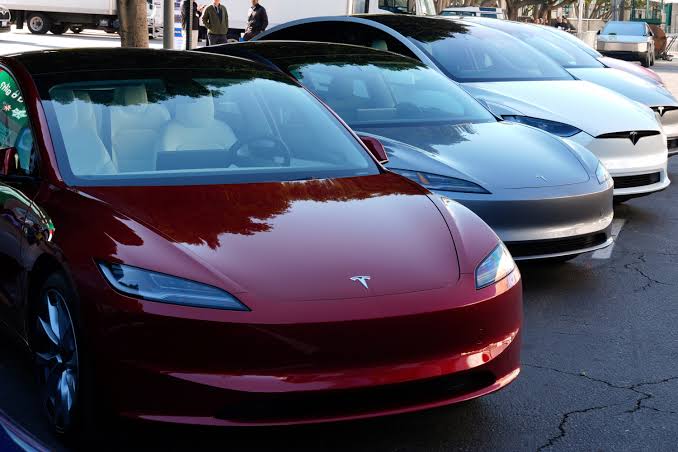
Total US EV sales reached approximately 462,892 units in H1 2026, down about 23.8% from the same period in 2025. The decline followed the expiration of the federal $7,500 EV tax credit in September 2025, which triggered a sharp pullback in demand after a pre-deadline buying surge.
Despite the softer overall market, Tesla’s share remained strong. Competitors declined more steeply in many cases, allowing Tesla to maintain (and in some months expand) its lead.
US EV Brand Rankings — First Half 2026 (YTD)
Here is the full brand ranking based on Cox Automotive data:
| Rank | Brand | YTD Sales | Market Share | YoY Change |
|---|---|---|---|---|
| 1 | Tesla | 242,100 | 52.3% | -10.9% |
| 2 | Chevrolet | 28,267 | 6.1% | -40.7% |
| 3 | Hyundai | 26,936 | 5.8% | -5.4% |
| 4 | Toyota | 21,855 | 4.7% | +136.3% |
| 5 | Rivian | 21,770 | 4.7% | +13.7% |
| 6 | Cadillac | 21,767 | 4.7% | +10.1% |
| 7 | Ford | 16,606 | 3.6% | -57.4% |
| 8 | Kia | 12,627 | 2.7% | -8.1% |
| 9 | BMW | 10,790 | 2.4% | -56.2% |
| 10 | Subaru | 10,064 | 2.2% | +54.8% |
| 11 | Honda | 8,407 | 1.8% | -48.5% |
| 12 | Lexus | 7,814 | 1.7% | +106.8% |
| 13 | GMC | 6,645 | 1.4% | -38.2% |
| 14 | Lucid | 5,208 | 1.1% | +2.1% |
| 15 | Volvo | 3,964 | 0.9% | -33.1% |
| 16 | Volkswagen | 3,768 | 0.8% | -68.9% |
| 17 | Mercedes-Benz | 3,010 | 0.6% | -63.2% |
| 18 | Porsche | 2,967 | 0.6% | -58.7% |
| — | Other Brands | 2,596 | 0.6% | — |
| — | Nissan | 1,774 | 0.4% | -88.6% |
| — | Audi | 1,697 | 0.4% | -85.3% |
Source: Cox Automotive / Kelley Blue Book estimates (H1 2026).
Tesla sold nearly as many vehicles as the next nine brands combined.
Model-Level Dominance: Model Y and Model 3 Still Rule
Tesla’s strength remains concentrated in just two vehicles:
- Tesla Model Y: ~163,454 units (clearly the best-selling EV in the US)
- Tesla Model 3: ~66,616 units (second overall and the top electric sedan)
Together, these two models accounted for roughly half of all EVs sold in the United States during the first half of the year. In Q2 alone, the Model Y represented about 34% of the entire EV market.
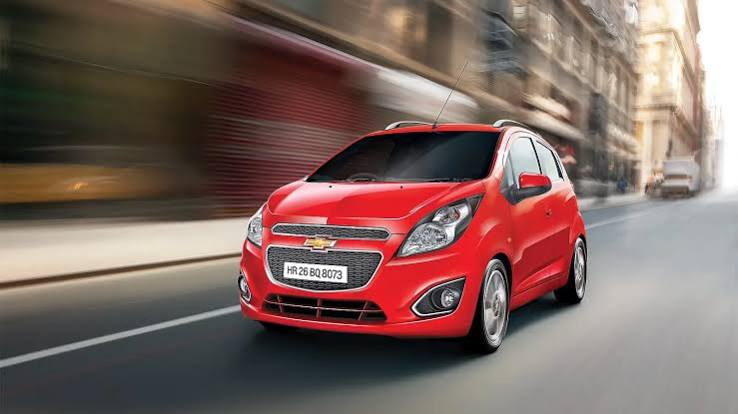
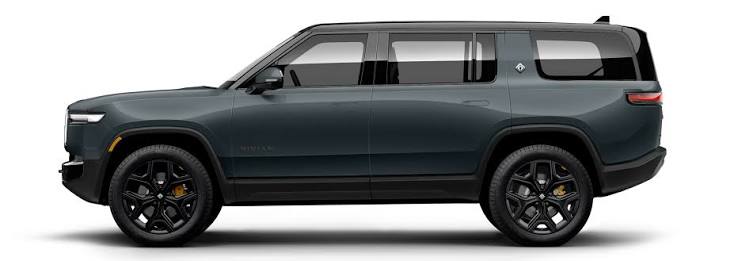
Outside Tesla, the strongest performers included the Hyundai Ioniq 5, Toyota bZ, Chevrolet Equinox EV, and Rivian R1S.
Key Trends Behind the Numbers
1. Tax credit expiration reshaped the market
The end of the federal incentive in late 2025 caused a sharp drop in overall EV demand. Year-over-year declines were steep for many traditional brands that had relied heavily on the credit (Ford, Chevrolet, BMW, and several luxury nameplates). Tesla’s decline was milder, helping it expand or hold share.
2. Toyota and Subaru posted strong growth
Toyota’s EV volume more than doubled year-over-year (+136%), driven by the updated bZ lineup. Subaru also posted solid gains. Both brands benefited from growing hybrid-to-EV transition interest and improved product offerings.
3. Rivian continues steady progress
Rivian held roughly 4.7% share with consistent volume growth, supported by the R1S and R1T. The company’s Normal, Illinois plant expansion aims for significantly higher capacity in coming years.
4. Luxury and legacy brands face pressure
Many European and some domestic brands saw double-digit percentage declines. Price competition, limited new model momentum, and the loss of incentives hurt volumes.
5. EV share of total US vehicle market remains modest
EVs accounted for roughly 5.8% of total new-vehicle sales in Q2 2026 — well below the peaks seen in 2025 when buyers rushed to claim the tax credit. The broader US auto market is still dominated by gasoline and hybrid vehicles.
Recent Momentum (July 2026 Update)
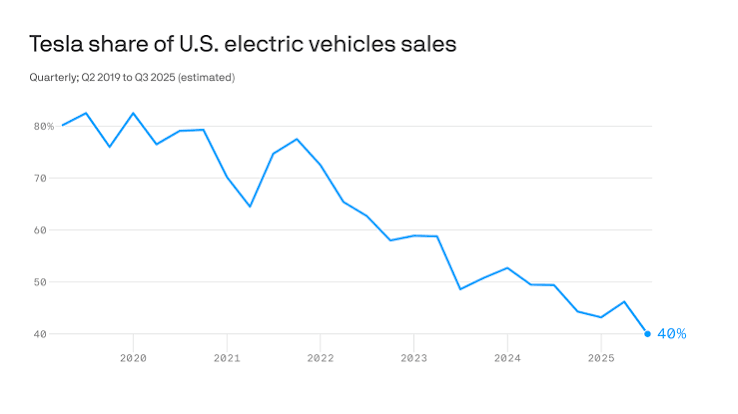
In July 2026, new EV sales rose modestly to an estimated 77,266 units. Tesla’s share climbed further to approximately 55%, with the Model Y alone representing about 37% of all new EV sales that month. Hyundai and Kia also showed sequential strength.
What This Means Going Forward
Tesla’s structural advantages — brand recognition, Supercharger network, software/update ecosystem, and production scale — continue to set it apart. Even as more competitors launch new models and expand manufacturing, closing the volume gap has proven difficult.
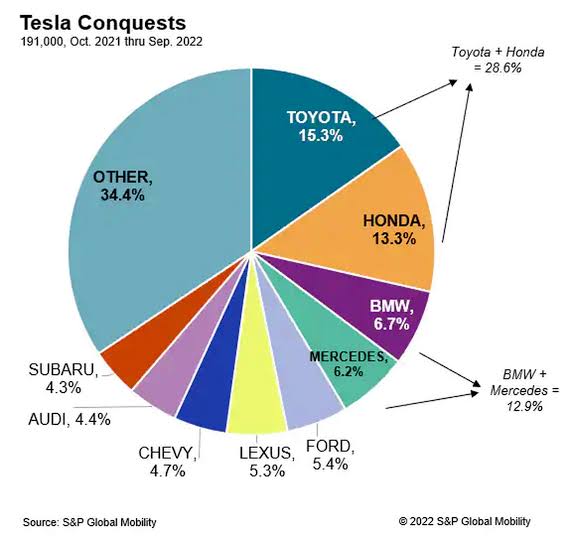
At the same time, the competitive field below Tesla is becoming more interesting. Toyota, Hyundai-Kia, GM (Chevrolet + Cadillac), and Rivian are establishing more consistent volume. Price cuts, new entry-level models, and longer-range offerings will shape the second half of 2026 and beyond.
For consumers, the data reinforces that Tesla remains the default high-volume choice, while a growing number of alternatives exist for those seeking different designs, dealer experiences, or brand preferences.
Bottom line: In the first half of 2026, Tesla once again proved that scale and product focus matter more than the number of nameplates on the market. With more than half of all US EV sales, the company continues to define the category even as the overall electric vehicle market navigates a post-incentive reality.