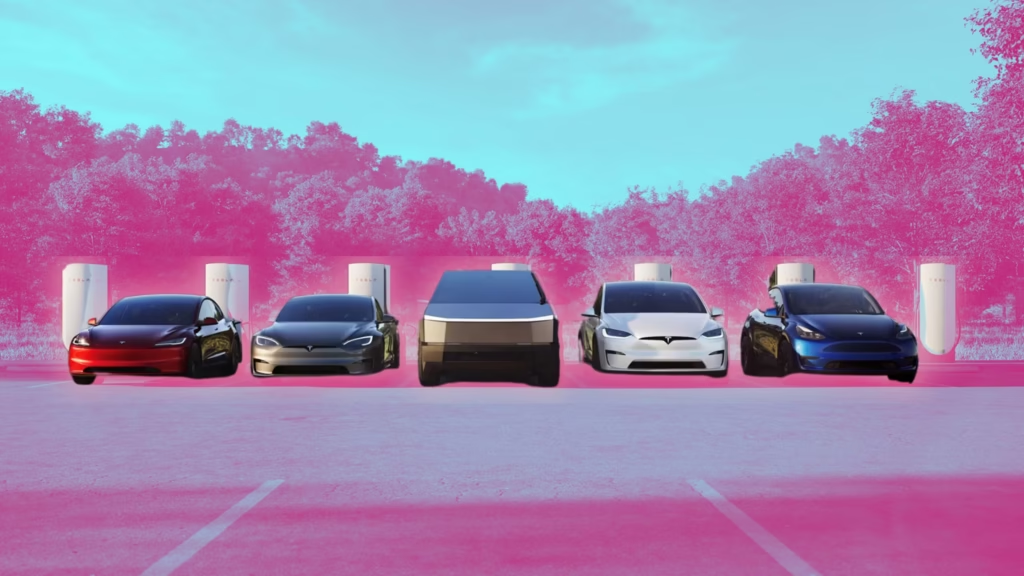
Tesla has once again proven its unmatched leadership in the American electric vehicle market. In Q1 2026, the company delivered 117,300 EVs in the United States — more vehicles than the combined total of every other EV manufacturer in the country.
This stunning performance, based on the latest Cox Automotive data, underscores Tesla’s continued dominance even as the broader EV market grows more competitive. While legacy automakers and new entrants poured resources into electric models, Tesla’s focused approach delivered results that no one else could match.
Tesla’s Q1 2026 US EV Sales Breakdown
Tesla’s lineup powered the company to the top of the charts with strong contributions across multiple models:
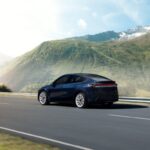
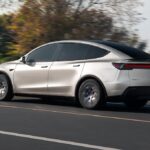
- Tesla Model Y: 78,591 units (the clear bestseller in the entire US EV segment)
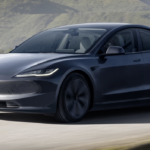
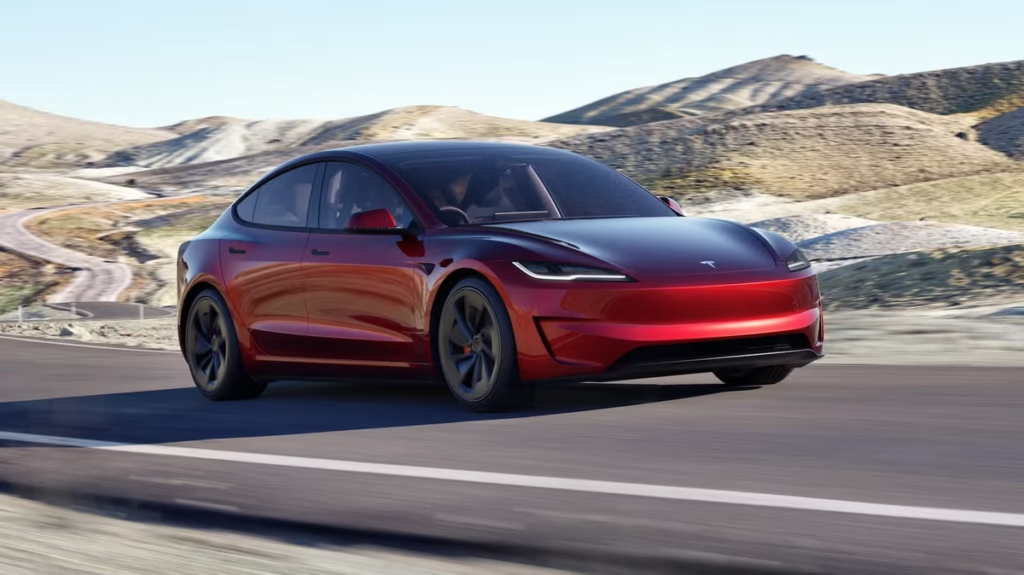
- Tesla Model 3: 31,672 units
- Tesla Cybertruck: 3,519 units
- Tesla Model X: 2,346 units
- Tesla Model S: 1,172 units
Total: 117,300 EVs
For context, the entire rest of the US EV industry combined sold just 99,099 units in the same period. That means Tesla outsold every other EV maker — from established giants like GM, Ford, Hyundai, and Toyota to newer players like Rivian and Lucid — by more than 18,000 vehicles.
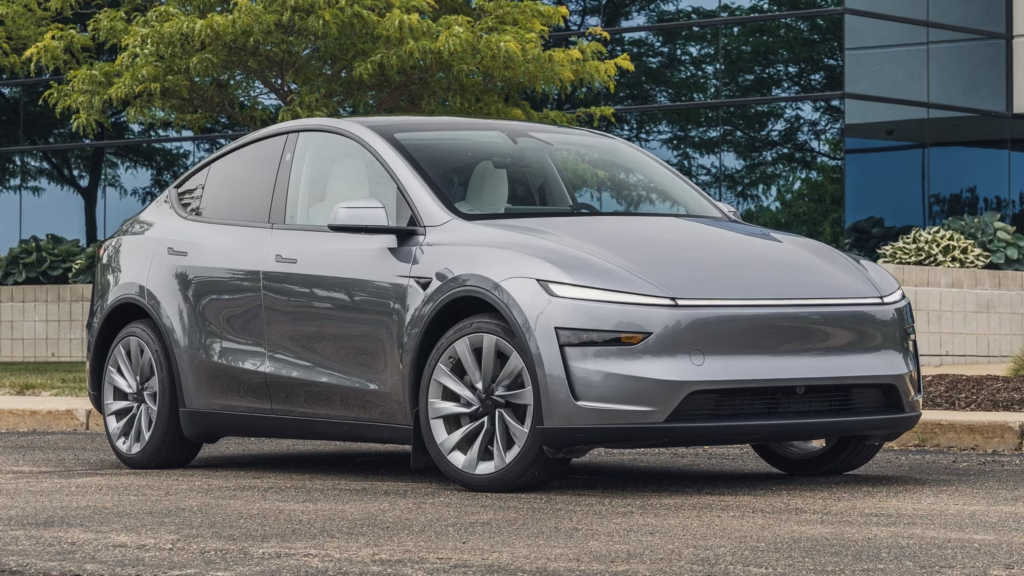
Top 20 EVs Sold in the US – Q1 2026 (Cox Automotive Data)
Here’s how the full US EV sales ranking looked for the first quarter of 2026:
- Tesla Model Y – 78,591
- Tesla Model 3 – 31,672
- Toyota bZ – 10,029
- Hyundai Ioniq 5 – 9,790
- Chevrolet Equinox EV – 9,589
- Rivian R1S – 5,494
- Ford Mustang Mach-E – 4,600
- Lexus RZ – 4,456
- Tesla Cybertruck – 3,519
- Cadillac Lyriq – 3,370
- Honda Prologue – 3,319
- Rivian EDV – 3,213
- Subaru Solterra – 3,041
- Cadillac Optiq – 2,847
- Kia EV9 – 2,740
- Tesla Model X – 2,346
- BMW i4 – 2,184
- Kia EV6 – 2,023
- Hyundai Ioniq 9 – 1,990
- Cadillac Vistiq – 1,902
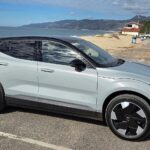
Lower in the ranking, even well-known names like the Chevrolet Blazer EV (1,077), Volvo EX30 (1,373), and Lucid Air (920) struggled to move the needle. Tesla’s Model Y alone outsold the entire top-10 non-Tesla list combined.
Why Tesla’s US EV Dominance Keeps Growing in 2026
Several factors explain Tesla’s commanding lead:
- Product Excellence: The refreshed Model Y continues to be the most desirable EV on the road, offering class-leading range, performance, technology, and real-world usability that competitors still struggle to match.
- Vertical Integration: Tesla controls its own battery production, software updates, and charging network — advantages that legacy automakers relying on third-party suppliers simply don’t have.
- Direct-to-Consumer Model: Tesla’s online-first sales approach cuts out dealer markups and inefficiencies that plague traditional automakers.
- Software and Autonomy Edge: Features like Full Self-Driving (FSD) capability and over-the-air updates keep Tesla owners ahead of the curve, creating unmatched brand loyalty.
- Brand Strength: In a crowded market, consumers continue to vote with their wallets for the company that pioneered modern EVs rather than brands treating electric vehicles as side projects.
The numbers speak for themselves: even with increased competition from Chinese manufacturers (not yet widely available in the US due to tariffs) and heavy incentives from traditional automakers, American buyers overwhelmingly chose Tesla.
What This Means for the Future of the US EV Market
Q1 2026 results send a clear message to the industry. While many predicted that legacy automakers would eventually “catch up” to Tesla, the data shows the opposite: the gap is widening. Tesla’s market share in the US EV segment remains dominant, and its ability to scale efficiently while others chase volume with thinner margins highlights a structural advantage.
For consumers, this dominance translates to better technology, faster innovation, and stronger resale values. For the broader EV transition, Tesla’s leadership accelerates adoption by proving that electric vehicles can be desirable, practical, and profitable at scale.
As the year progresses, all eyes will be on whether competitors can close the gap or if Tesla’s Q1 2026 performance marks the beginning of another year of industry-defining growth. One thing is certain: in the US EV market, Tesla isn’t just participating — it’s setting the standard that everyone else is measured against.
Stay tuned to usonwheels.com for the latest Tesla updates, EV sales analysis, and in-depth coverage of the electric revolution shaping the automotive world in 2026 and beyond.