Tesla has officially rolled out unsupervised Robotaxi rides in Dallas, Texas, marking a major leap forward in autonomous driving technology. On April 18, 2026, EV enthusiasts and Tesla owners confirmed real customer rides happening without any human supervision — a first for the city and a clear sign that Tesla’s Full Self-Driving (FSD) system is scaling rapidly beyond supervised testing.
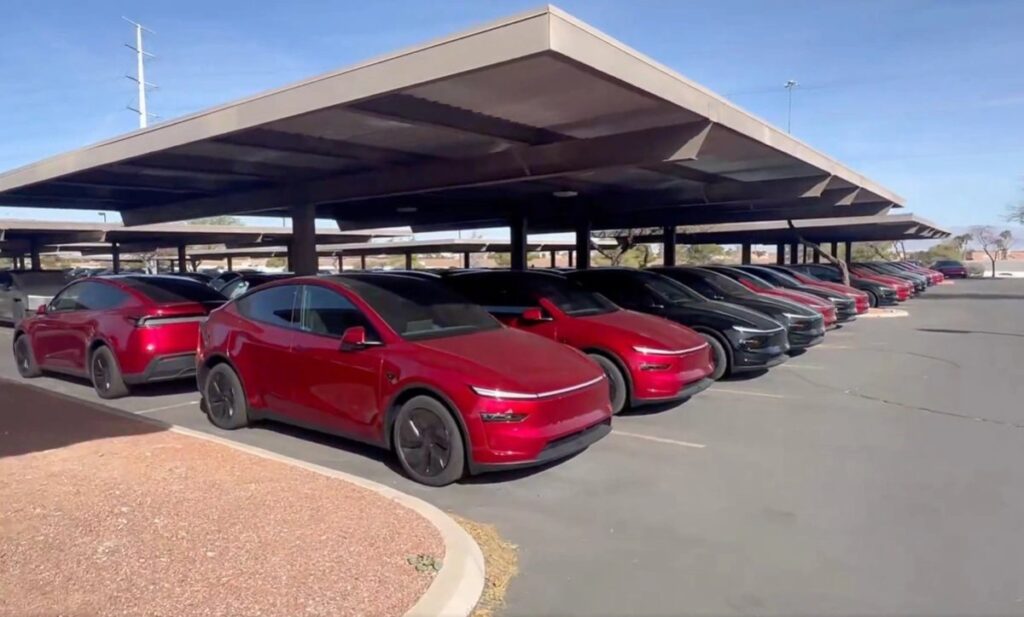
This development comes hot on the heels of earlier supervised Robotaxi operations and shows Tesla skipping the usual gradual rollout phase. Instead of starting with a safety driver or remote monitor, the company has gone straight to fully unsupervised autonomy in Dallas streets.
Video Proof: Unsupervised Robotaxi in Action on Dallas Roads
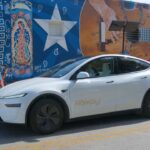
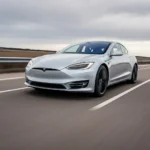
Footage shared widely on social media captures the moment perfectly. A Tesla vehicle (likely a Model Y or Cybercab variant) navigates busy urban roads, traffic lights, intersections, and other vehicles with zero human input. The in-car screen displays the familiar FSD visualisation, showing the car confidently handling lane changes, merging, and city driving in real time.
Viewers see:
- Smooth acceleration and braking in moderate traffic
- Precise handling around construction zones and pedestrians
- Natural navigation through downtown Dallas areas on a typical overcast day
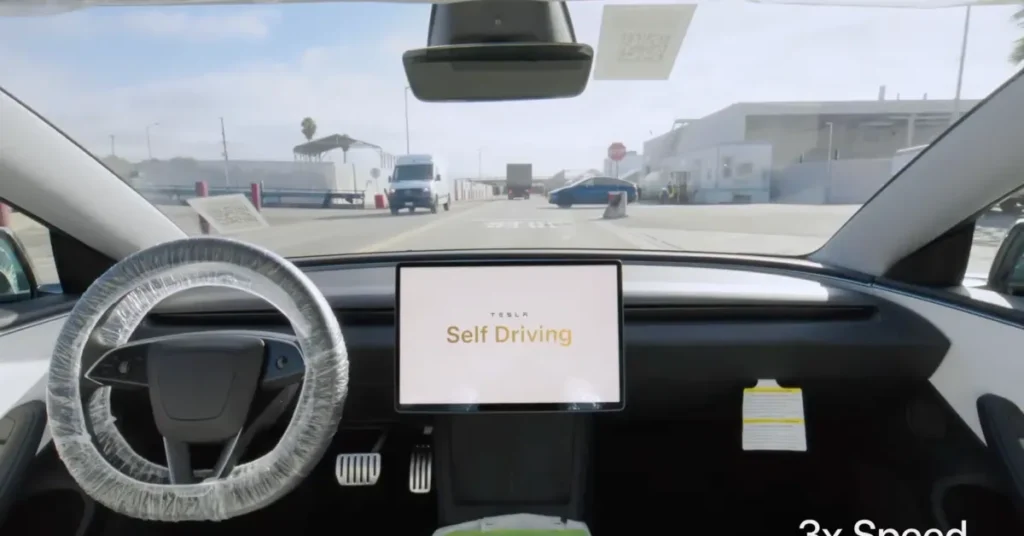
No steering wheel movement. No driver in the seat. Just pure autonomy. This isn’t a demo or closed-course test — it’s a regular customer ride happening right now in one of America’s largest cities.
Why Dallas Matters for Tesla’s Robotaxi Expansion
Dallas joins a very short list of locations where Tesla has enabled unsupervised Robotaxi service. The move is especially significant because:
- It proves FSD’s “all-at-once” capability — Tesla didn’t slowly introduce supervised rides first.
- Dallas offers complex urban challenges (highway merges, dense traffic, variable weather) that make it a tougher test than simpler suburban routes.
- Early reports suggest the service was already being tested quietly for several weeks before going fully live.
Tesla owners in the area are already reporting the new option appearing directly in the Tesla app, allowing them to summon an unsupervised Robotaxi for everyday trips.
How This Fits Into Tesla’s Bigger Autonomous Vision
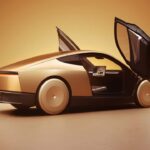
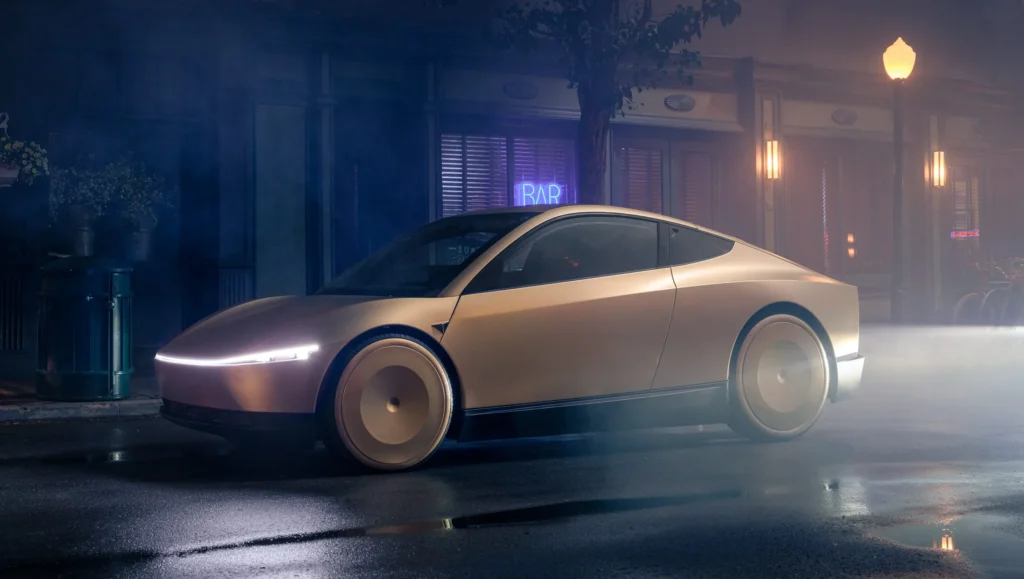
This Dallas launch is more than just a local milestone — it’s a preview of Tesla’s Robotaxi network plans. With Cybercab production ramping up and the next-generation platform already in testing, unsupervised rides in new cities signal that Tesla is moving faster than many expected toward a scalable, driverless ride-hailing service.
Key highlights:
- No safety monitor required — true unsupervised operation from day one in Dallas
- Customer-ready — regular riders (not just employees or testers) are using it
- Rapid city expansion potential — insiders hint Denton and other nearby areas could follow soon
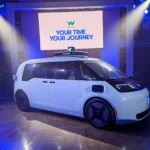
For comparison, many competitors are still stuck in supervised or geofenced testing phases years after announcing similar goals. Tesla’s ability to flip the switch to full autonomy in a new major market underscores the maturity of its end-to-end neural network approach.
What This Means for Tesla Owners and the EV Industry
For Tesla owners in Texas and beyond, unsupervised Robotaxi rides open the door to new convenience and potential income opportunities once the full network launches. Owners will eventually be able to add their vehicles to the fleet and earn while the car works autonomously.
For the broader EV and autonomous driving sector, this is a wake-up call. Traditional automakers and tech players have poured billions into robotaxi projects, yet Tesla continues to deliver real-world unsupervised rides faster than anyone predicted.
As more cities come online and data from these rides feeds back into Tesla’s FSD training, expect the system to improve even more quickly. The era of truly driverless transportation isn’t coming — it’s already here in Dallas.
Stay tuned to usonwheels.com for the latest Tesla FSD updates, Robotaxi news, and real-world autonomous driving coverage. This Dallas unsupervised launch is just the beginning of what’s shaping up to be Tesla’s biggest year yet in autonomy.