Going electric no longer requires a luxury budget. In 2026, several new EVs from major brands start under $35,000–$40,000 (MSRP before destination, taxes, and fees), delivering 250+ miles of EPA-estimated range, modern tech, and practical everyday usability.
Important note on incentives: The federal $7,500 Clean Vehicle Credit (and used-EV credit) expired for vehicles acquired after September 30, 2025. Most 2026 buyers will not receive a federal purchase tax credit. Some state rebates, utility incentives, and manufacturer/dealer deals remain available—check your state’s programs and local utilities before buying. Home Level 2 charger installation credits also ended by mid-2026 in most cases.
Top Affordable EVs for American Buyers
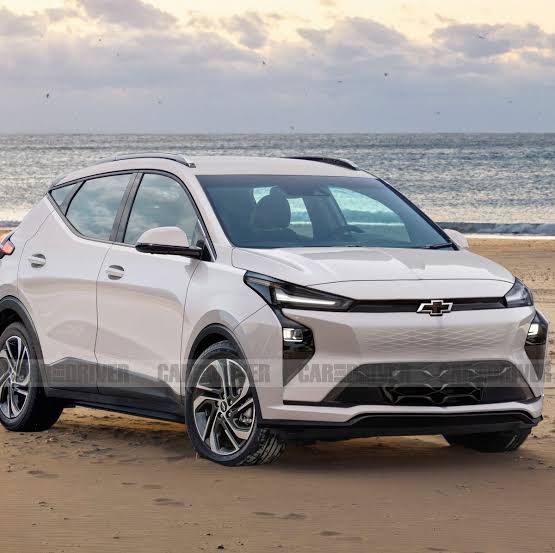
1. 2027 Chevrolet Bolt EV — Best Overall Value
Starting MSRP: ~$28,995–$29,000 (including destination on many listings)
- EPA range: 262 miles
- Powertrain: 210 hp front-wheel-drive, 65 kWh LFP battery
- Charging: Up to 150 kW DC fast charging (10–80% in ~26 minutes); native NACS port for Tesla Superchargers
- Standout features: Compact hatchback packaging with usable cargo space, Google built-in, available Super Cruise hands-free driving
The revived Bolt is widely ranked as the cheapest new mainstream EV from a major automaker. Real-world tests have shown range close to or above the EPA figure in mixed driving. It prioritizes efficiency and low ownership costs without feeling stripped-down. Ideal for city/suburban drivers who want maximum miles per dollar.
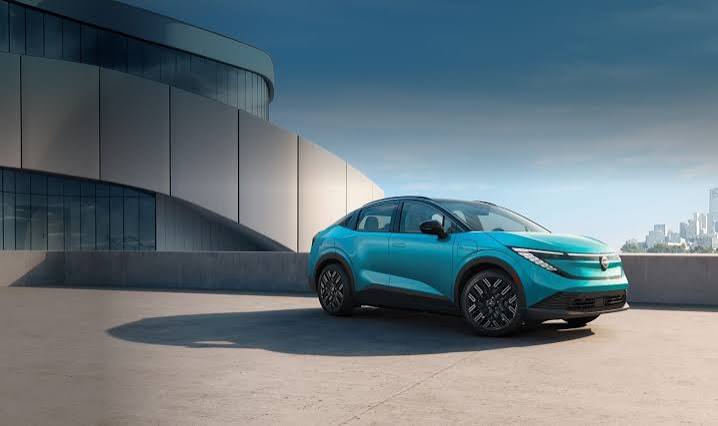
2. 2026 Nissan Leaf — Best Redesigned Daily Driver
Starting MSRP: ~$29,990–$31,535
- EPA range: Up to 303 miles (larger battery)
- Completely redesigned as a more modern small crossover/hatch with improved styling, interior quality, and charging capability
- Dual displays, strong safety suite, and NACS compatibility in many configurations
The third-generation Leaf sheds the old “economy EV” image. It offers excellent range for the price and feels more refined for everyday commuting or small families. A strong alternative if you prefer a slightly taller driving position than the Bolt.
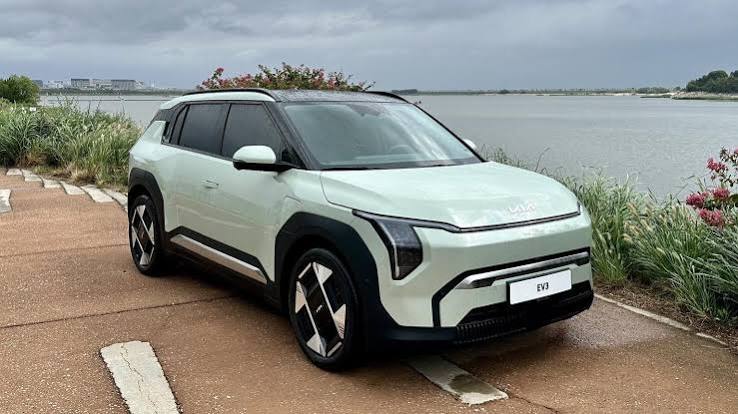
3. Kia EV3 — Best Compact SUV Value
Starting MSRP: $29,890 (Light FWD); long-range trims from the mid-$30,000s
- EPA range: 221 miles (base); up to 321 miles on higher trims with the larger battery
- Stylish compact SUV design inspired by the EV9, solid feature content, NACS port, and available AWD
Kia’s aggressive pricing puts a more premium-feeling crossover within reach of budget-conscious buyers. The long-range versions deliver the kind of highway capability many Americans want without climbing into mid-$40k territory.
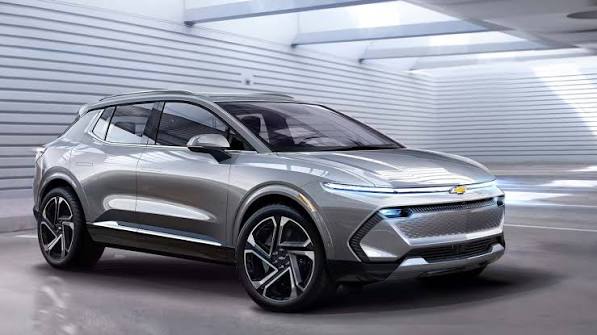
4. Chevrolet Equinox EV — Best Practical Family Crossover
Starting MSRP: ~$34,995–$36,800
- EPA range: Up to 319 miles (FWD)
- Spacious interior, large touchscreen, available Super Cruise, and solid cargo room
This is the most affordable mainstream electric crossover with 300+ miles of range. It makes sense for buyers who need more passenger and cargo space than a hatchback while staying under $40,000.
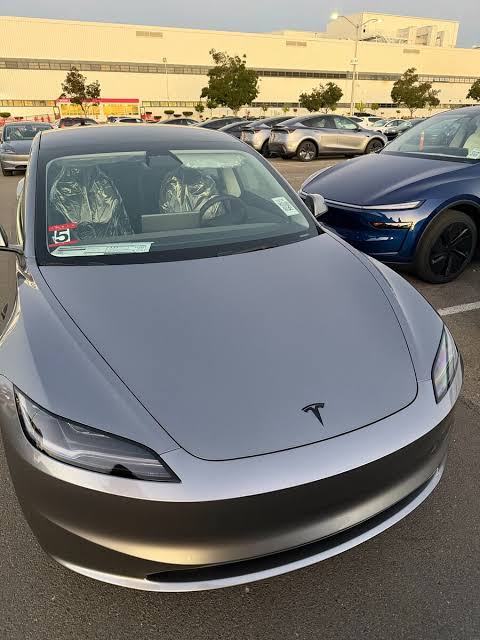
5. Tesla Model 3 Standard (RWD) — Best Overall Package
Starting MSRP: ~$36,990–$38,600
- EPA range: 321 miles
- Access to Tesla’s Supercharger network, frequent over-the-air updates, strong efficiency and performance
The base Model 3 sits at the upper end of the “affordable” range but still delivers class-leading software, charging convenience, and driving dynamics. Tesla removed some interior niceties (textile seats, simpler audio, no rear screen) to hit the lower price. Worth stretching for if Supercharger access and continuous software improvements matter most to you.
Other Strong Contenders
- Subaru Uncharted (~$35,000–$36,500): Competitive range (up to ~308 miles) with available AWD.
- Hyundai Kona Electric: Mid-$30,000s with solid features and efficiency.
- Toyota bZ variants: Reliable brand with improving range and packaging.
Buying Tips for U.S. Shoppers in 2026
- Total cost of ownership still favors EVs for most drivers who can charge at home (electricity is typically far cheaper than gasoline, with lower maintenance).
- Prioritize models with native NACS ports for easiest Supercharger access.
- Test real-world range in your climate and driving style—highway and cold-weather figures will be lower than EPA estimates.
- Shop manufacturer incentives, regional dealer discounts, and state/utility rebates. Lease deals can sometimes be more attractive than purchase in the current market.
- Factor in home charging setup costs if you don’t already have a Level 2 charger.
Bottom line: The Chevrolet Bolt EV currently offers the strongest combination of low price, usable range, and features for most American buyers. The redesigned Nissan Leaf and new Kia EV3 are excellent alternatives depending on whether you prefer a hatch or compact SUV. Stretch to the Tesla Model 3 if software and charging network are priorities.
Prices and availability change quickly—verify the latest MSRP, inventory, and local incentives directly with manufacturers or dealers. Test-drive a few of these models; the gap between “affordable” and “premium” EVs has narrowed significantly in 2026.