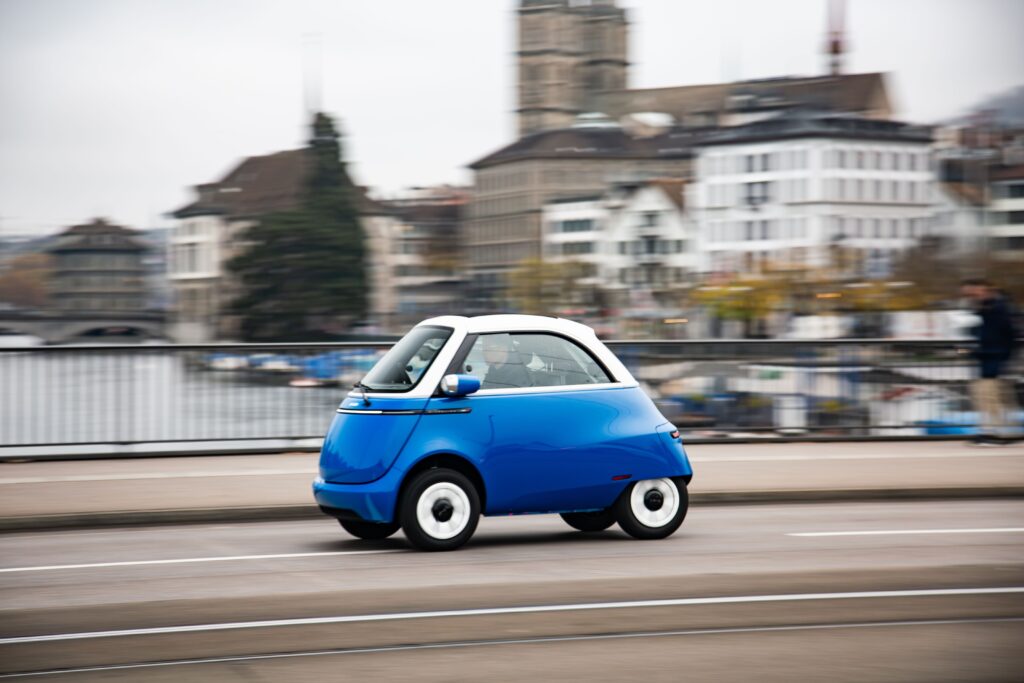
The Microlino is one of the most charming and practical urban electric vehicles ever made. This tiny Swiss-designed bubble car brings back the spirit of the 1950s BMW Isetta with modern electric power, exceptional efficiency, and effortless city driving.
At just 2.52 metres long and 1.47 metres wide, the Microlino is genuinely one of the smallest cars you can buy today. It offers real four-wheel stability, weather protection, and surprising practicality while occupying roughly one-third the parking space of a normal car.
What Makes the Microlino So Special?
The Microlino is officially classified as an L7e quadricycle (or L6e in the lighter Lite version). It is not a full passenger car under European regulations, which allows its ultra-lightweight construction and simpler safety requirements. This classification keeps it affordable to run and insure while delivering genuine car-like usability for daily commutes, school runs, or quick city errands.
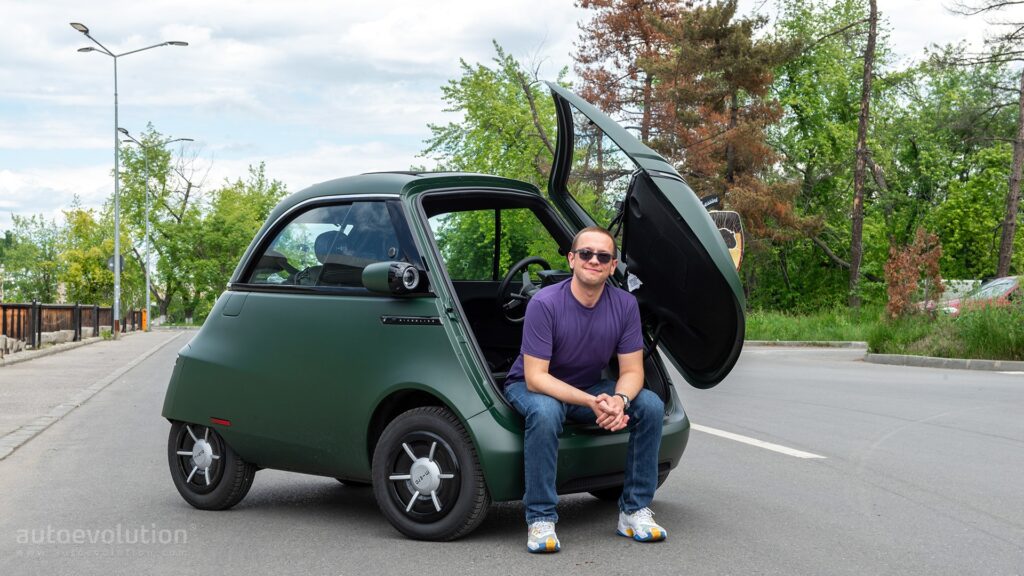
It features a unique front-hinged door (like the classic Isetta), a fixed or panoramic sunroof, and a surprisingly spacious cabin for two adults plus 230 litres of boot space — enough for shopping bags, a large suitcase, and two cabin bags.
Microlino Specifications & Performance (2025–2026 Model)
Dimensions & Weight
- Length: 2,519 mm
- Width: 1,473 mm
- Height: 1,501 mm
- Kerb weight: 496–530 kg (depending on battery)
Powertrain
- Rear-mounted electric motor: 12.4–12.5 kW (~17 hp)
- Torque: 17.9 Nm
- Drivetrain: Rear-wheel drive
- Top speed: 90 km/h (L7e version)
- 0–50 km/h: ~5 seconds (surprisingly peppy in town)
Battery & Range (WLTP)
- 5.5 kWh → ~93 km
- 10.5 kWh → ~177 km
- 15 kWh → up to 228 km
Charging
- Onboard charger: 2.2 kW (Type 2 or household socket)
- Full charge time: 3–6 hours, depending on battery size
- No DC fast charging (designed for overnight or workplace charging)
Recent 2025/2026 updates include a new air-conditioning system, improved noise/vibration/harshness (NVH), and refined heating.
Design & Features: Retro Charm Meets Modern Engineering
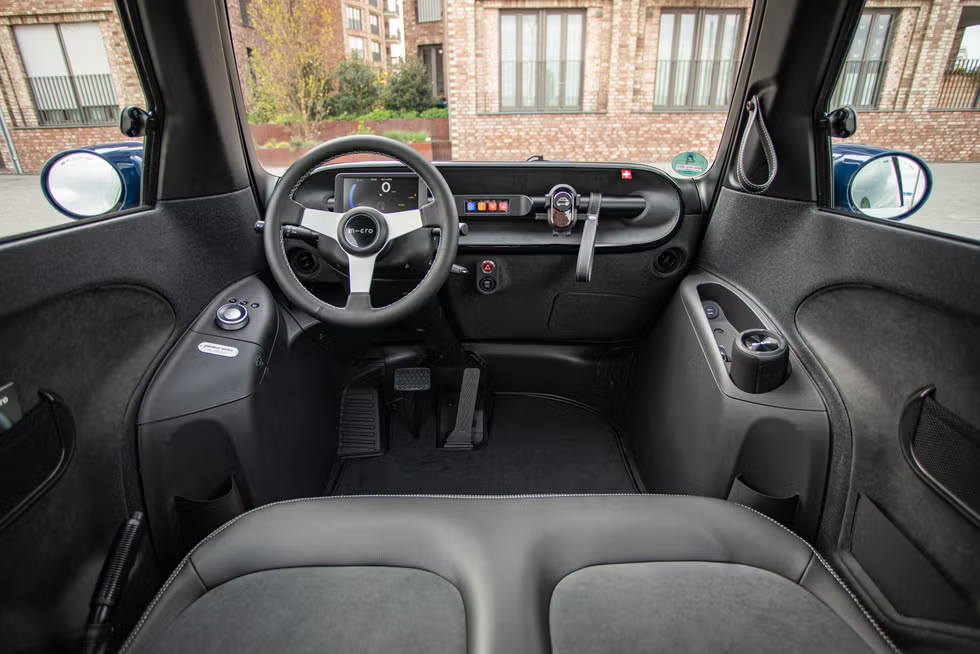
The Microlino’s aluminium outer skin and self-supporting steel unibody give it a premium feel unusual in this segment. It offers independent suspension (McPherson strut front), a “go-kart” driving character, and a Sport mode that sharpens throttle response.
Standout features include:
- Front-opening door for easy sidewalk access
- Panoramic sunroof for an airy cabin
- 230-litre boot
- PTC heating + new air conditioning
- Minimalist yet high-quality interior
- Low running costs (insurance, maintenance, and energy)
It is hand-assembled in Turin, Italy, with Swiss engineering oversight.
Pricing & Variants
Current European pricing (approximate, 2025–2026):
- Microlino Lite (L6e, lower speed): from around €17,000–18,000
- Standard Microlino (L7e): from ~€19,000–€21,000
- Higher-spec or long-range versions with options: €23,000–€26,000+
Prices vary by country, incentives, and configuration. It is positioned as a premium microcar — more expensive than a Citroën Ami but far more refined and capable.
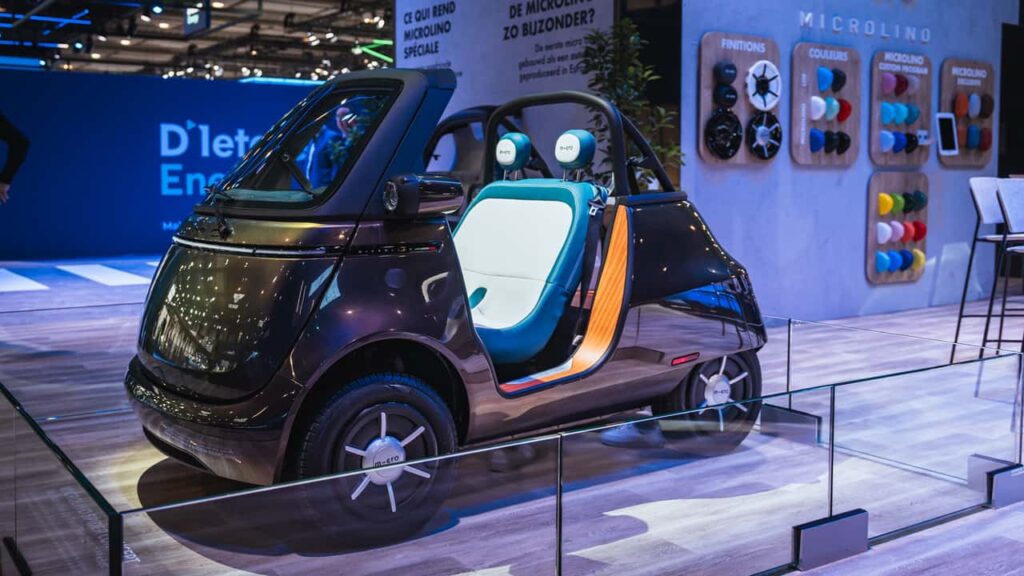
Special variant: The Microlino Spiaggina (convertible/open-side version) offers a fun, beach-car vibe with removable fabric roof and stylish two-tone interiors.
Microlino vs Citroën Ami (and Other Small EVs)
| Feature | Microlino | Citroën Ami | Advantage |
|---|---|---|---|
| Top speed | 90 km/h | 45 km/h | Microlino |
| Max range | Up to 228 km | ~75 km | Microlino |
| Build quality | Premium (metal body) | Basic | Microlino |
| Price (approx) | €19k–26k | €8k–10k | Ami (cheaper) |
| Practicality | 230L boot + 2 seats | Minimal | Microlino |
| Highway capability | Yes (short trips) | Not recommended | Microlino |
The Microlino feels like a proper (tiny) car, while the Ami is more of a stylish quadricycle.
Is the Microlino Coming to India?
In early 2025, Bajaj Auto entered discussions with Micro Mobility Systems about local manufacturing in India. The plan could involve Bajaj taking a stake and potentially producing a version with conventional side doors for easier homologation and market acceptance.
If realised, this could make the Microlino significantly more affordable in India and perfectly suited to congested cities with narrow streets and parking challenges. However, as of mid-2026, no firm launch timeline or confirmed partnership has been announced. It remains a Europe-focused vehicle for now.
Pros and Cons
Pros:
- Incredibly compact and easy to park
- Fun, nimble, and surprisingly capable
- Low running and ownership costs
- Stylish retro-modern design that turns heads
- Real range options and decent build quality
- Excellent second car or city runabout
Cons:
- Expensive for its size and capability
- Limited top speed and no fast charging
- Only two seats
- Currently not available in India or the US
- The ride can feel firm on poor roads
Who Should Buy the Microlino?
The Microlino is ideal for:
- Urban commuters who want something fun and efficient
- Families needing a cheap-to-run second car
- City dwellers are struggling with parking
- Anyone who loves distinctive design and low environmental impact
It is not ideal as a primary long-distance or highway family car.
Frequently Asked Questions (FAQ)
Is the Microlino a real car?
Yes — it is a fully homologated L7e quadricycle with four wheels, proper lighting, and street-legal status across Europe.
How safe is it?
It features a steel unibody safety cell and is among the safest vehicles in its quadricycle class, though it does not undergo the same crash testing as full passenger cars.
Can it go on highways?
It can handle short highway sections at its 90 km/h top speed, but it is optimised for city and suburban roads.
What is the real-world range?
Expect 70–80% of WLTP figures depending on speed, weather, and driving style. The 10.5 kWh and 15 kWh versions are the most practical.
Will it come to India?
Talks with Bajaj Auto are ongoing, but nothing is confirmed yet. Local production could change everything for Indian buyers.
Final Verdict: A Delightful Urban EV
The Microlino is not trying to be a replacement for a normal hatchback. It is a brilliantly executed, joyful micro-mobility solution that makes short urban journeys genuinely fun while slashing running costs and parking stress.
With its head-turning design, improving features (like the new air conditioning), and multiple battery options, it stands out as one of the most desirable small electric vehicles of 2026.
If you live in a city and want something different, efficient, and smile-inducing, the Microlino deserves a serious look.