Tesla enthusiasts are once again calling for a true full-size three-row electric SUV, and this time the idea is gaining serious traction. Popular Tesla commentator Sawyer Merritt highlighted the demand on August 1, 2026, suggesting the company build a large ~210-inch 3-row SUV using available capacity on the Cybertruck production line at Giga Texas.
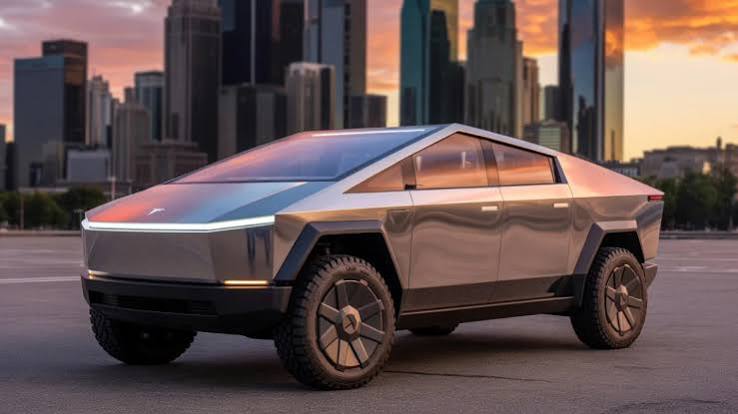
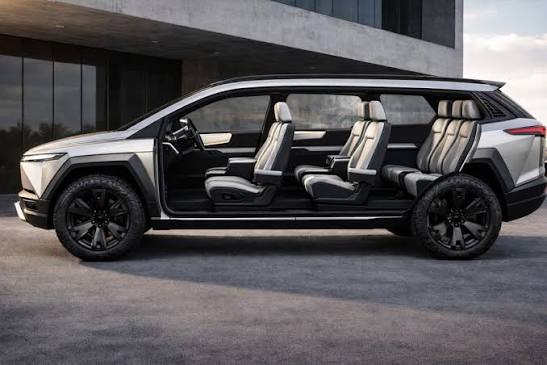
The post quoted a popular image shared by another account showing what many large families actually want: a spacious, commanding full-size SUV that can comfortably seat seven or eight while competing directly with the GMC Yukon, Cadillac Escalade, and Lincoln Navigator.
Why Tesla Needs a Full-Size 3-Row SUV
With the Model S and Model X officially discontinued in mid-2026, Tesla no longer offers a dedicated three-row vehicle in most markets. The Model Y provides a tight third row in some configurations, and China has the longer Model YL, but neither matches the space, presence, or capability of traditional American full-size SUVs.
Full-size three-row SUVs remain one of the strongest segments in the U.S. market. Families with growing kids, people who tow, and those who simply want maximum space continue to buy Yukon, Escalade, Navigator, and Expedition models in high numbers. An electric alternative from Tesla — especially one with Full Self-Driving capability — would address a clear gap.
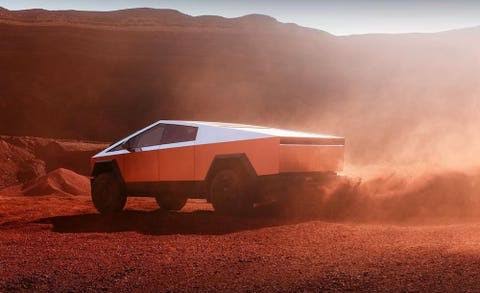
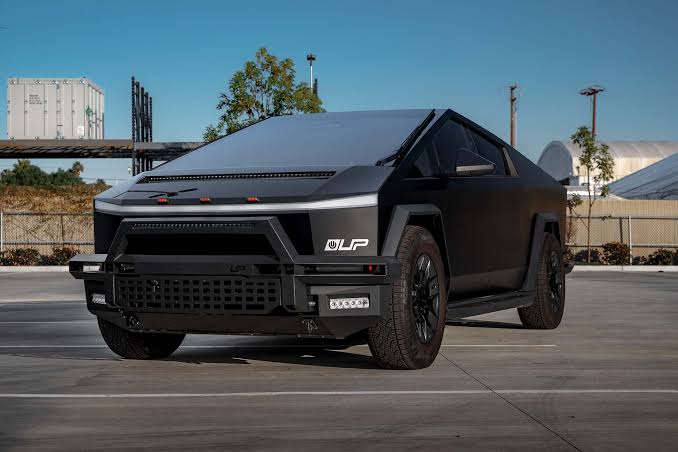
Sawyer Merritt’s suggestion of a vehicle in the ~210-inch length range is deliberate. That dimension sits right in the sweet spot of current full-size SUVs (Escalade ~211.9 inches, Navigator ~210 inches, Yukon ~210 inches). The Cybertruck itself measures 223.74 inches, so a purpose-built SUV version could shorten the overall length while retaining the strong platform, steer-by-wire system, 48-volt architecture, and high ground clearance.
Using Cybertruck Production Capacity Makes Sense
The Cybertruck line at Giga Texas has significant unused capacity. Converting or sharing some of that capacity for a related three-row SUV would allow Tesla to leverage existing tooling, body architecture, and battery packaging knowledge without the full cost of an all-new platform. Several internal discussions and design studio scale models have already explored Cybertruck-based SUV and van concepts, sometimes referred to informally as the “CyberSUV.”
Replies to Merritt’s post noted that the idea has been worked on internally, though Elon Musk has expressed uncertainty about whether such a vehicle remains a good investment as robotaxis and the Cybercab reshape personal transportation. One reply put the odds of Tesla eventually using the Cybertruck line for a proper three-row SUV extremely high.
Design, Specs, and Market Positioning
Concept images circulating with the original posts show an angular, stainless-steel body that extends the Cybertruck’s distinctive look into a more closed, family-oriented form with a higher roofline and longer cabin. Key expected attributes would include:
- True three-row seating for 6–8 passengers with usable third-row legroom
- Massive cargo volume behind the third row and with seats folded
- Strong towing capability (Cybertruck currently rates up to 11,000 lbs)
- Long range, high power, and advanced FSD
- Premium interior options that could challenge Escalade and Navigator luxury levels
Pricing would be critical. The Cybertruck platform is relatively expensive, so Tesla would need to carefully manage costs to keep a volume-oriented version competitive (many hope for something starting well under $80,000–$90,000).
Challenges and Counterarguments
Not everyone is convinced. Some argue that the Cybertruck’s polarizing design may not appeal to mainstream family buyers (“soccer moms”), and that a more conventional-looking vehicle would sell better. Others question whether Tesla should invest in another personal vehicle when autonomy and robotaxis are the stated long-term priority. There is also the risk that a large, heavy SUV could hurt Tesla’s efficiency and range reputation if not engineered carefully.
Still, demand for large family EVs is real. Rivian’s R1S, Lucid Gravity, and upcoming competitors show the segment has room. A Tesla offering with superior software, Supercharger access, and brand strength could capture significant share.
What This Means for Buyers
For large families who love Tesla’s driving experience, software, and autonomy progress, a full-size three-row CyberSUV would be a game-changer. It would finally give Tesla a proper competitor to the traditional full-size luxury and mainstream SUVs that still dominate suburban driveways.
Whether Tesla green-lights the project remains to be seen. Elon Musk has teased “something way cooler than a minivan” in the past, and design work has clearly happened. The combination of available Cybertruck capacity, clear market demand, and the current lack of a three-row option in Tesla’s U.S. lineup makes the idea more logical than it has been in years.
For now, the conversation is loud, the renders look compelling, and thousands of potential customers are watching closely. If Tesla decides the investment still makes sense in the robotaxi era, a full-size electric family haulier could become one of the most important new products the company launches this decade.