In the fast-evolving world of electric vehicles (EVs), Tesla continues to lead the charge—literally. A recent viral tweet from Tesla expert Nic Cruz Patane has sparked conversations across social media, highlighting just how minimal Tesla maintenance really is compared to traditional gas cars. With fewer moving parts and innovative features like regenerative braking, owning a Tesla isn’t just about zero emissions; it’s about slashing your long-term costs and headaches. If you’re searching for “Tesla maintenance costs vs gas cars” or “low-maintenance EVs,” this article breaks it all down with real stats, owner insights, and why 2026 is the perfect time to switch.
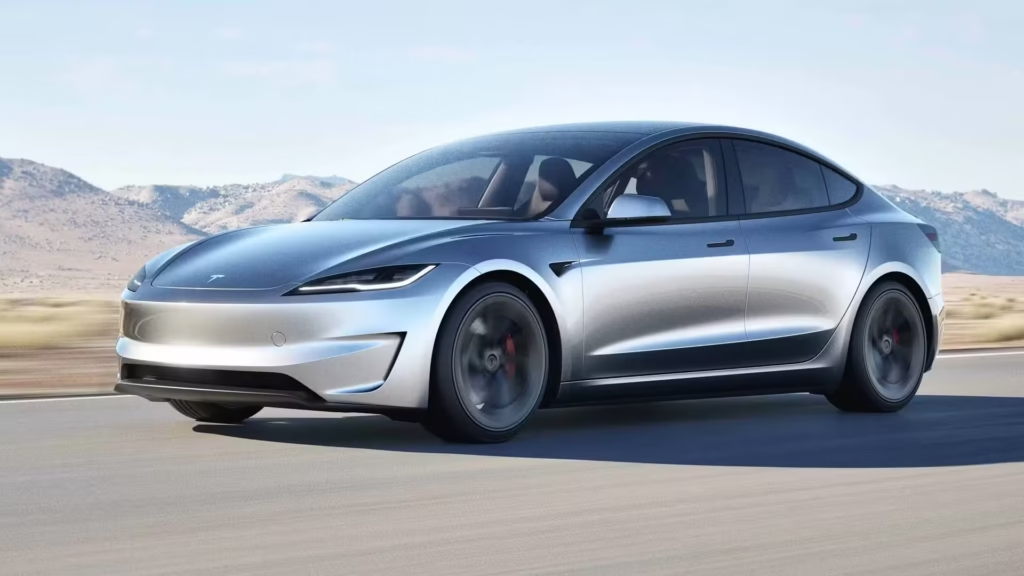
Stunning side-by-side of a red and silver Tesla Model 3, showcasing the sleek design that pairs with hassle-free ownership. (Image via Tesla enthusiast Nic Cruz Patane on X)
The Tweet That Went Viral: Tesla’s “No-Worry” Ownership Perks
Nic Cruz Patane, a deep-dive Tesla analyst, posted a thread on X (formerly Twitter) that’s racked up over 600 likes and 24,000 views in under a day. His message? Teslas make life easier by eliminating common gas car gremlins like oil changes, transmission failures, and endless gas station hunts. Patane’s list is spot-on:
- No gas price drama: Charge at home overnight for pennies compared to fluctuating fuel costs.
- Skip the oil and fluids: No engine oil, transmission fluid, or coolant leaks to stress over.
- Brakes that last forever: Regenerative braking extends pad life to 100,000–200,000 miles.
- Fewer parts, fewer problems: A dual-motor Tesla has just ~40 moving parts in the drivetrain—vs. over 3,000 in a hybrid gas vehicle.
This simplicity translates to real savings. According to owner reports, annual Tesla maintenance hovers around $500, far below the $1,000+ average for gas cars. Over 30,000 miles, one Model Y owner tallied just $3,699 in total costs (including charging), while their previous gas SUV would’ve hit $14,500 in fuel and upkeep alone.
For those eyeing a switch, it’s clear: EVs like Tesla aren’t just greener—they’re cheaper to run. As we covered in our earlier piece, Why EVs Are Better Than Gas Cars: Top Reasons Tesla Owners Can’t Go Back, the freedom from dealership upsells alone is worth the upgrade.
Tesla Maintenance Breakdown: What You Don’t Need (And Why It Matters)
Gas car owners know the drill: Schedule oil changes every 5,000 miles, pray the transmission holds, and budget for spark plugs or exhaust repairs. Teslas? They laugh in the face of that routine. Here’s a head-to-head comparison:
| Maintenance Item | Gas Car Frequency/Cost | Tesla Equivalent |
|---|---|---|
| Oil Changes | Every 3–5k miles / $50–$100 | Never needed |
| Brake Pads/Rotors | Every 30–50k miles / $300–$600 | 100k+ miles / Minimal due to regen braking |
| Transmission Service | Every 60k miles / $200–$400 | No transmission—electric motors only |
| Fuel System | Injectors/pump every 50k / $500+ | No fuel system at all |
| Annual Total | $800–$1,500 | $300–$500 (tires, filters) |
Data from Consumer Reports and AAA backs this up: EVs are 50–60% cheaper to maintain over five years, with Tesla leading the pack thanks to over-the-air software updates that fix issues remotely. No more towing to the shop for a “check engine” light—Tesla’s app alerts you first.
Patane’s thread even nods to quirky gas woes like “driving past three stations for 10¢ cheaper gas.” With home charging, that’s history. And for high-mileage drivers? One YouTube analysis showed a Tesla owner saving $200–$250 monthly over a Prius, thanks to electricity rates vs. gas spikes.
What Tesla Does Need: Simple, Affordable Essentials
Don’t get us wrong—Teslas aren’t zero-maintenance unicorns. But the basics are straightforward and infrequent:
- Tire Rotations & Replacements: Every 6,250 miles; costs similar to gas cars but potentially less with Full Self-Driving (FSD) smoothing out wear.
- Cabin Air Filters: Swap every 2 years for $20–$50 DIY.
- Brake Fluid Flush: Rare, every 4–5 years if at all.
That’s it. No smog checks, no belt replacements, no exhaust theft (a real urban myth for gas guzzlers). As Patane quipped in replies, even wiper fluid top-offs sneak in—but that’s universal.
This ties into our recent coverage of the Tesla Model Y Premium Crowned 2026 Car of the Year, where we praised its bulletproof reliability for families hitting 200,000 miles worry-free.
The Bigger Picture: Tesla’s Edge in Total Cost of Ownership
Beyond maintenance, Tesla’s ecosystem seals the deal. Factor in fuel savings—$1,500–$2,000 yearly vs. gas—and insurance perks for safe-driving tech, and the math favours EVs hands-down. A 2025 study pegged five-year repair costs at $1,712 for EVs vs. $1,695 for gas, but that’s skewed by outliers; Tesla-specific data shows even lower figures.
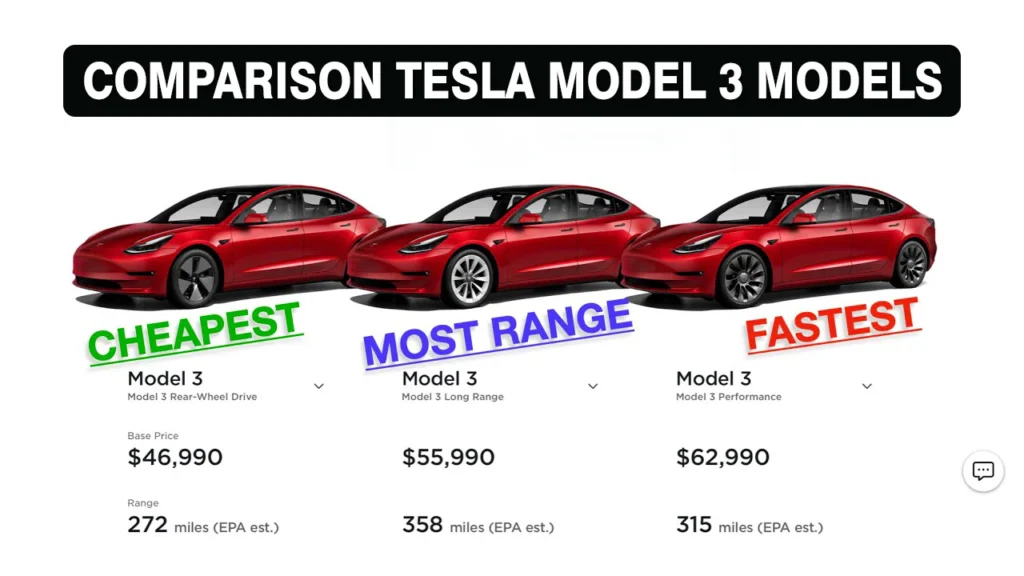
Owners echo this in forums: “The simplicity is a real advantage,” says one X user, while another calls it “astounding” that gas cars still sell. With 2026 models like the refreshed Model 3 boasting even longer battery life, the case for Tesla is stronger than ever.
Ready to Go Electric? Your Next Steps on USonWheels
If Patane’s tweet has you rethinking your driveway, you’re not alone. Tesla’s referral program even sweetens the pot with three months of free FSD—worth $300+. Head to Tesla.com to configure yours, and check out our guides on EV Charging at Home for seamless setup.
What do you think—time to trade in the gas guzzler? Drop a comment below, and stay tuned to USonWheels.com for more EV news, car reviews, and bike trends straight from the US roads.
USonWheels.com: Your go-to hub for cars, bikes, and EV news across the US. Drive informed.