Mercedes-Benz is set to bring advanced urban point-to-point automated driving to German roads by the end of 2026. This marks a significant step in the race for self-driving technology in Europe.
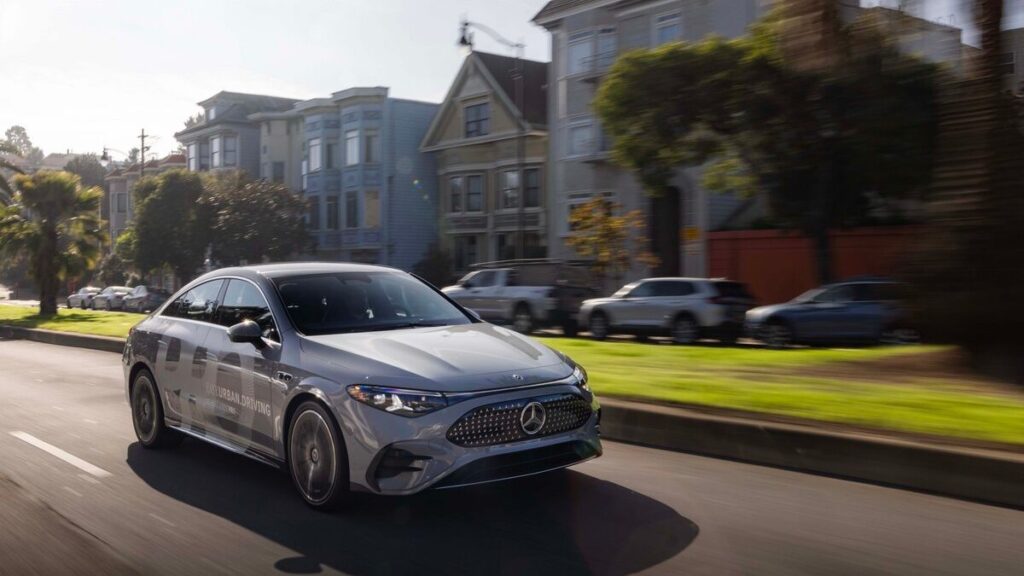
The German luxury automaker announced plans for its MB. DRIVE ASSIST PRO system, an SAE Level 2++ supervised assisted driving feature designed for complex city environments. It will debut in selected German cities late this year before expanding nationwide in early 2027.
What Is Mercedes-Benz MB. DRIVE ASSIST PRO?
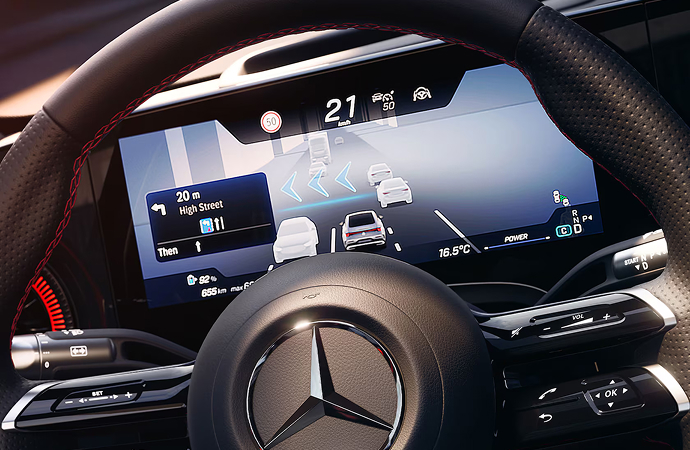
MB.DRIVE ASSIST PRO is Mercedes-Benz’s most advanced urban automated driving system to date. It offers point-to-point navigation that handles:
- Traffic light recognition
- Lane changes
- Dense urban traffic
The system combines cooperative steering, acceleration, and braking while the driver remains attentive and ready to intervene.
Developed in partnership with NVIDIA, the technology builds on Mercedes’ existing driver assistance features and has already launched in China and the United States. It uses cameras, sensors, and radar for real-time decision-making in city conditions.
Chief Technology Officer Joerg Burzer shared the update on LinkedIn following a meeting with Germany’s transport ministry, emphasising Mercedes’ goal to lead in assisted and automated driving.
Rollout Timeline and Initial Cities
- End of 2026: Launch in selected German cities, starting with Stuttgart and Munich.
- Early 2027: Nationwide expansion across Germany.
This phased approach allows Mercedes to refine the system based on real-world urban data while complying with strict European regulations.
Germany’s supportive framework for autonomous driving (including the world’s first rules for Level 3+ systems) positions the country as a testing ground for these technologies.
How MB.DRIVE ASSIST PRO Stacks Up in the Autonomous Driving Race
Mercedes positions the system as a supervised Level 2++ solution — advanced driver assistance that reduces workload in traffic but still requires human oversight. This contrasts with higher-level unsupervised systems from competitors.
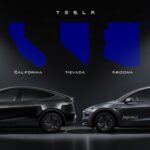
- Tesla FSD (Full Self-Driving): Often discussed in the context of broader autonomy ambitions, Tesla’s vision-only approach has been tested extensively (including pilot robotaxi services in parts of Germany). Mercedes’ offering focuses on reliable urban point-to-point guidance with explicit driver supervision.
- Other rivals: BMW, Audi, and Chinese manufacturers are also accelerating urban ADAS rollouts, but Mercedes aims to be among the first in Europe with this specific point-to-point urban capability.
The NVIDIA collaboration gives Mercedes access to powerful AI computing for smoother handling of unpredictable city scenarios.
Benefits and Real-World Impact
Key advantages of the Mercedes urban automated driving system include:
- Safety: Reduces driver fatigue in stop-and-go traffic and complex intersections.
- Convenience: Seamless navigation from point A to B without constant manual inputs.
- Accessibility: Helps elderly or mobility-limited drivers in dense cities.
- Efficiency: Smoother traffic flow and potential fuel/electricity savings through optimized driving.
For Mercedes-Benz EV owners (EQS, EQE, etc.), this could become a premium software update, enhancing the value of their vehicles.
Germany’s push for autonomous tech aligns with broader EU goals for safer, greener mobility — potentially influencing other European markets soon.
Challenges Ahead for Mercedes Autonomous Driving in Germany
While ambitious, the rollout faces hurdles:
- Strict regulatory approval for urban operations.
- Need for extensive real-world validation in variable weather and construction zones.
- Public acceptance of supervised autonomy.
- Competition from faster-moving players in the U.S. and China.
Mercedes has a track record of pioneering features (like early Level 3 highway systems), giving it credibility in the German market.
What This Means for the Future of Driving
Mercedes-Benz’s 2026-2027 Germany rollout signals that urban autonomous driving is moving from labs and limited pilots into everyday cars. As more manufacturers follow, expect:
- Rapid evolution of software-defined vehicles
- Greater integration of AI and cloud computing
- New insurance and liability frameworks
For consumers in Germany and beyond, this could mean safer commutes and more productive time behind the wheel (or not behind it, eventually).
FAQs About Mercedes Urban Automated Driving 2026
When does Mercedes autonomous driving start in Germany?
Selected cities from late 2026, nationwide early 2027.
Is MB.DRIVE ASSIST PRO fully self-driving?
No — it is a supervised Level 2++ system. The driver must stay alert.
Which cities first?
Initial rollout expected in Stuttgart and Munich.
Will it work on existing Mercedes models?
Likely available via over-the-air updates on compatible newer models equipped with the necessary hardware.
How does it compare to Tesla FSD?
Mercedes emphasises supervised urban point-to-point navigation with NVIDIA tech, while Tesla pursues broader unsupervised capabilities. Both advance driver assistance significantly.
Mercedes-Benz’s announcement reinforces its commitment to staying at the forefront of automotive innovation. As urban automated driving becomes reality in Germany, the entire industry — and drivers worldwide — will be watching closely.
Stay tuned for official confirmation on compatible models and exact city lists as the end of 2026 approaches. The future of city driving is becoming increasingly smarter. 🚗✨