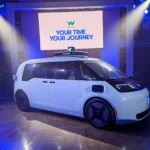
A sleek, light-blue autonomous van was recently caught charging at a public Electrify America station in San Diego, California — and it’s not just any test vehicle. This is the Zeekr-made Waymo robotaxi prototype (also known as the Zeekr RT and now officially named the Waymo Ojai), a purpose-built robotaxi developed exclusively for Waymo’s expanding fleet. Spotted in November 2025 ahead of Waymo’s planned 2026 driverless launch in San Diego, the vehicle marks a major milestone in the robotaxi revolution.
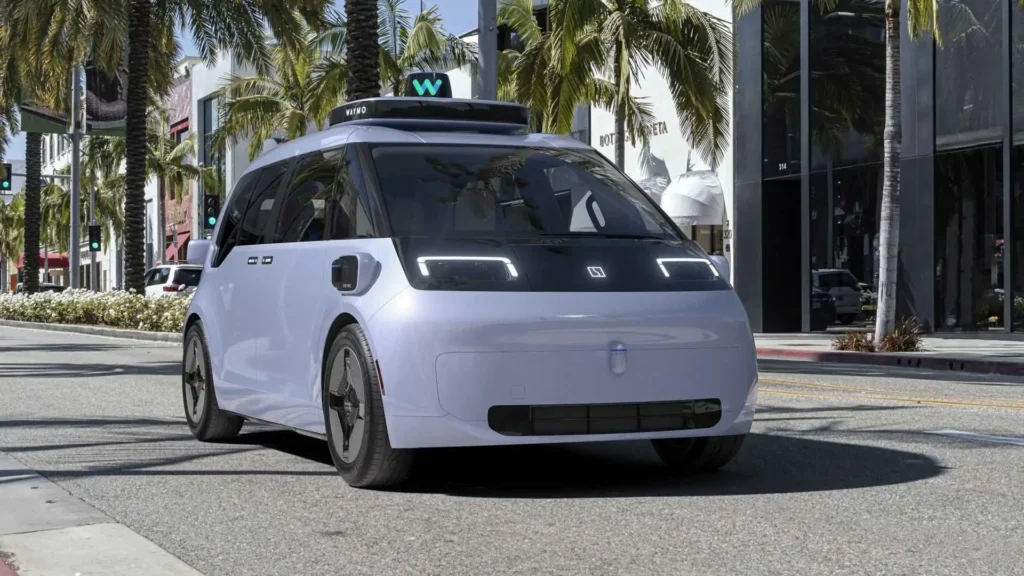
This isn’t a modified Jaguar I-Pace or Hyundai Ioniq 5 like Waymo has used before. It’s a custom-designed, all-electric ride-hailing machine engineered from the ground up by Zeekr (a premium EV brand under China’s Geely) and fitted with Waymo’s advanced 6th-generation Driver technology. Here’s everything you need to know about the Zeekr Waymo robotaxi sighting, its game-changing features, and what it means for autonomous mobility in California and beyond.
The Waymo-Zeekr Partnership: A Global Collaboration for U.S. Robotaxis
Waymo, Alphabet’s self-driving subsidiary, announced its partnership with Zeekr several years ago to create a dedicated robotaxi platform. Unlike previous models adapted from consumer vehicles, the Zeekr RT / Waymo Ojai was purpose-built for high-volume autonomous ride-hailing.
The vehicles are manufactured in China by Zeekr, imported to the U.S., and then equipped with Waymo’s full sensor suite and AI software. This hybrid approach allows Waymo to scale faster while leveraging Zeekr’s advanced EV platform (including an 800-volt architecture for ultra-fast charging).
Despite U.S.-China trade tensions, the collaboration has moved forward, with prototypes now actively testing in real-world conditions. The San Diego sighting confirms the vehicles have arrived on American soil and are preparing for commercial deployment.
Exclusive Details: Zeekr Waymo Robotaxi Prototype Spotted Testing in San Diego
On November 19, 2025, the prototype was photographed charging at a public station in San Diego. Reuters captured video of the vehicle during testing, showing it plugged in with safety drivers on board (standard procedure during early validation).
Local journalist and InsideEVs deputy editor Mack Hogan personally spotted the vehicle at his neighborhood Electrify America charger — only the second Waymo test car he’d seen in the city. He described it as a clear upgrade over existing models: spacious, with sliding doors, easy rear-seat access, and a clean, integrated sensor array that looks far less “bulky” than on older Waymo Jaguars.
The vehicle features:
- A distinctive light-blue livery with prominent “WAYMO” branding.
- A roof-mounted sensor pod.
- Sliding side doors optimized for passenger pickup in tight urban spaces.
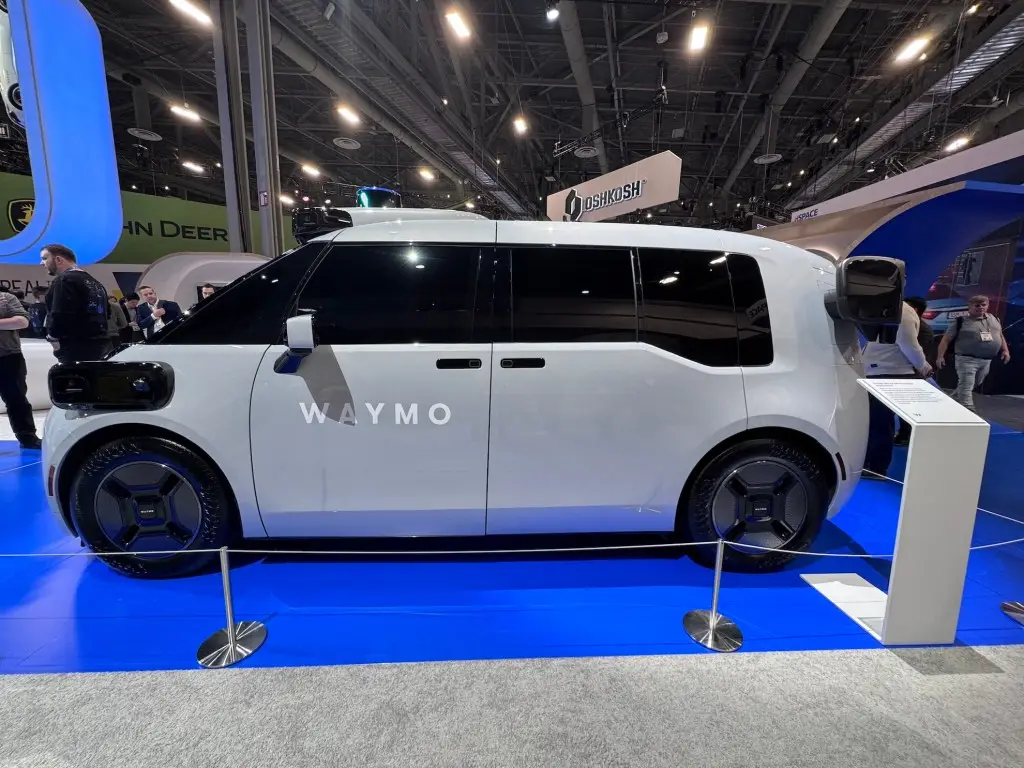
Testing in San Diego is strategic. The city offers mild weather, diverse road types, and proximity to Waymo’s existing Los Angeles operations. Waymo has confirmed it plans to launch driverless service in San Diego in 2026 as part of a massive nationwide expansion targeting more than 20 cities.
Key Features of the Waymo Ojai (Zeekr RT) Robotaxi
This isn’t just another EV — it’s a robotaxi engineered specifically for passengers and reliability:
| Feature | Details | Benefit for Riders & Operations |
|---|---|---|
| Design | Van-style body, sliding doors, spacious cabin | Easy entry/exit, wheelchair accessibility |
| Sensors | 13 cameras, 4 lidars, 6 radars, microphone array | 360° perception, all-weather performance |
| Cleaning System | Automatic fluid sprays + tiny windshield wipers on sensors | Keeps sensors clear in dust, rain, or bugs |
| Powertrain | 800V architecture, ~76 kWh LFP battery | Ultra-fast charging, efficient for high mileage |
| Weather Readiness | Heated sensors, snow/ice-resistant pods | Future-proof for cities like Detroit & Las Vegas |
| Interior | Rear-focused seating, no driver cockpit emphasis | Comfortable, premium ride-hailing experience |
The integrated sensors and cleaning tech represent a leap forward from retrofitted vehicles. Waymo’s 6th-generation Driver is also more capable in challenging conditions, thanks to extensive training in places like Michigan and Buffalo.
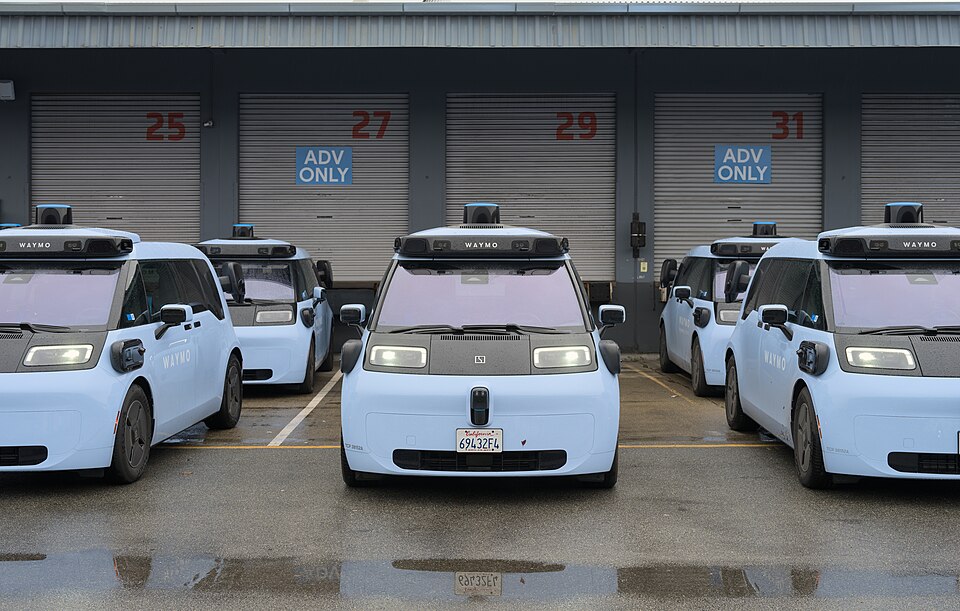
Waymo’s 2026 Expansion: San Diego Leads the Next Wave
Waymo already operates fully driverless robotaxis in San Francisco, Los Angeles, Phoenix, Atlanta, and Austin. San Diego is next, with the Zeekr-built Ojai expected to play a starring role alongside existing models.
Additional cities in the pipeline include Las Vegas, Detroit, Dallas, Denver, Miami, Houston, and more. The Ojai will help Waymo scale rapidly by providing a dedicated, high-efficiency platform optimized for 24/7 commercial operations.
Why the Zeekr Waymo Robotaxi Matters for the Future of Autonomous Driving
The San Diego sighting isn’t just a cool photo op — it signals the shift from experimental AVs to mass-market robotaxis:
- Purpose-built efficiency: Better passenger experience and lower operating costs.
- Faster scaling: Zeekr’s manufacturing expertise helps Waymo deploy thousands of vehicles.
- Tech leadership: Advanced sensors and cleaning systems set new standards for reliability.
- Global supply chain innovation: Proves U.S. companies can leverage international EV talent while meeting strict safety standards.
As regulators and cities warm to autonomous ride-hailing, vehicles like the Waymo Ojai could transform urban transportation — reducing congestion, emissions, and the need for personal car ownership.
Frequently Asked Questions About the Zeekr Waymo Robotaxi
When will the Zeekr Waymo robotaxi launch in San Diego?
Waymo plans to begin driverless service in San Diego in 2026. Initial testing with safety drivers is already underway.
Is the Zeekr robotaxi fully made in China?
Yes, the base vehicle is built by Zeekr in China and imported. Waymo then installs its proprietary sensors and software in the U.S.
How does it compare to Tesla’s Cybercab or other robotaxis?
The Ojai is a spacious van with sliding doors and proven Waymo autonomy tech already operating in multiple cities — a more passenger-focused design than two-seater concepts.
Will it be available for consumers to buy?
No. Like all current Waymo vehicles, it’s for ride-hailing only.
The Zeekr Waymo robotaxi prototype sighting in San Diego is more than a local curiosity — it’s a glimpse into the near-future of transportation. With 2026 launch plans locked in, San Diegans (and soon riders across America) are about to experience a new era of safe, convenient, and fully autonomous mobility.
Stay tuned as testing continues and more cities join the Waymo network. The robotaxi revolution is accelerating — and the Zeekr-built Ojai is leading the charge.