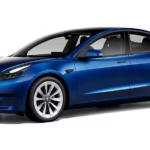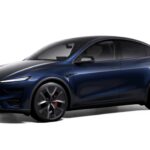
This price gap has sparked heated discussions among EV fans, hybrid loyalists, and everyday commuters. Is the Tesla worth the premium for its tech and zero-emission driving? Or does the Camry deliver better real-world value? Here’s a complete, data-driven breakdown based on official 2026 U.S. pricing and specs.

Price Comparison: Straight Talk on MSRP
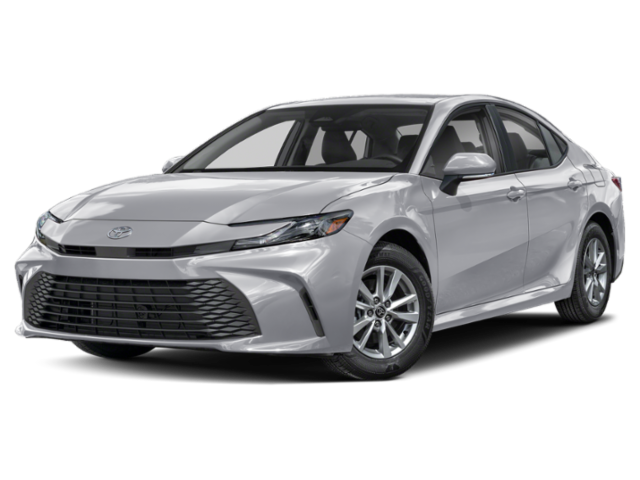
- 2026 Toyota Camry LE (base hybrid, FWD): $29,300 MSRP
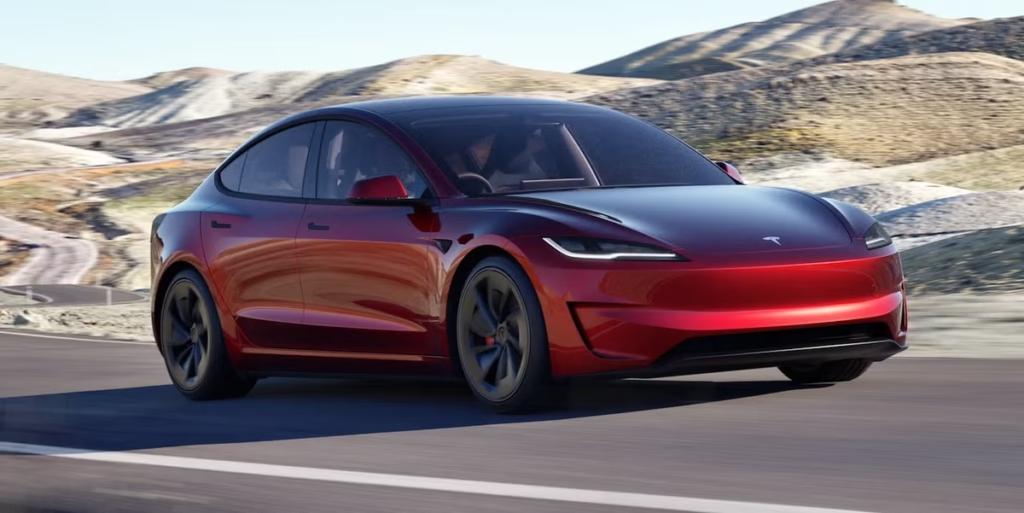
- 2026 Tesla Model 3 RWD (base): $36,990 MSRP
Difference: ~$7,690 (before destination fees, taxes, or incentives).
Real-world transaction prices are even closer to these figures because Tesla sells direct (no haggling), while Toyota dealers often discount slightly but add fees.
Note: The federal EV tax credit no longer applies to the base Model 3, closing one of Tesla’s previous advantages. Toyota’s hybrid qualifies for no federal credit but benefits from strong residual values and lower insurance rates in most states.
Performance & Driving Experience
| Feature | 2026 Toyota Camry LE | 2026 Tesla Model 3 RWD | Winner? |
|---|---|---|---|
| Powertrain | Hybrid (2.5L + electric) | Single electric motor | Tesla (instant torque) |
| Combined HP | ~225–232 hp | ~271 hp equivalent | Tesla |
| 0-60 mph | ~7.5–8.0 seconds (est.) | 5.8 seconds | Tesla |
| Drive Type | FWD (AWD available) | RWD | Tie |
| Top Speed | ~115 mph | 125 mph | Tesla |
The Camry feels refined and quiet on highways thanks to its hybrid system. The Model 3 delivers that signature EV punch—silent, smooth, and fun in city driving. For most commuters, both are more than adequate, but the Tesla wins on pure acceleration and one-pedal driving.
Efficiency, Range & Running Costs
- Camry LE: 52 city / 49 highway MPG (hybrid). Real-world owners regularly hit 50+ MPG combined. Fuel tank ~13 gallons → ~650-mile range on a full tank.
- Model 3 RWD: 321 miles EPA range. Home charging costs ~$0.04–$0.06 per mile (depending on rates) vs. ~$0.12–$0.15 per mile for the Camry at $3.50/gallon gas.
5-Year Fuel Savings Estimate (15,000 miles/year):
Tesla owners can save $4,000–$6,000 in energy costs, but you’ll need reliable home charging. Apartment dwellers or frequent road-trippers may prefer the Camry’s gas-station convenience.
Maintenance:
- Camry: Traditional hybrid service every 10k miles, but fewer brake jobs thanks to regen.
- Model 3: No oil changes, fewer moving parts. Tires and cabin filter are the main costs.
Features & Technology
Standard on both (base models):
- Apple CarPlay / Android Auto
- Adaptive cruise control
- Lane-keeping assist
- Automatic emergency braking
Tesla advantages:
- Massive 15.4-inch touchscreen
- Standard basic Autopilot (hands-free on highways with supervision)
- Over-the-air updates
- Sentry Mode, Dog Mode, phone-as-key
Camry advantages:
- Physical buttons & knobs (easier to use while driving)
- Traditional gauge cluster
- More intuitive climate controls
Full Self-Driving (Supervised) on the Model 3 adds thousands more. The Camry’s tech feels “good enough” for most buyers.
Reliability, Safety & Resale Value
Toyota’s legendary reliability shines here. Camrys routinely exceed 200,000–300,000 miles with minimal issues. Tesla has improved dramatically, but the Camry still leads in long-term dependability surveys.
Safety: Both earn top 5-star NHTSA and IIHS Top Safety Pick+ ratings. The Model 3 edges out in some crash tests thanks to its rigid battery structure.
Resale: Toyota hybrids hold value exceptionally well. A 3-year-old Camry typically retains ~60–65% of its value. Tesla resale is strong but more volatile.
Who Should Buy Which in 2026?
Choose the Toyota Camry LE if you want:
- Lower upfront cost
- Proven reliability and easy nationwide service
- No range anxiety
- Hybrid efficiency without plugging in
- Better for high-mileage drivers or those without home charging
Choose the Tesla Model 3 if you want:
- Modern EV driving experience
- Lower long-term energy costs
- Cutting-edge tech and software updates
- Faster acceleration and future-proof features
- You have home charging and mostly urban/highway commutes
Bottom line: The base Camry is significantly cheaper right now, but the Model 3 can close the gap (or win) over 5–7 years for drivers who charge at home. It’s not “Tesla wipes the floor” or “Camry is always better”—it depends on your lifestyle, electricity rates, and how much you value instant torque versus bulletproof simplicity.
The viral X debate nailed it: price matters, but total cost of ownership and daily usability matter more. Test drive both before you decide—the Camry feels like a comfortable appliance; the Model 3 feels like the future.
Ready to shop? Check current incentives on Toyota.com and Tesla.com, and run the numbers with your local electricity and gas prices. What’s your pick—hybrid reliability or EV excitement? Drop your thoughts below!