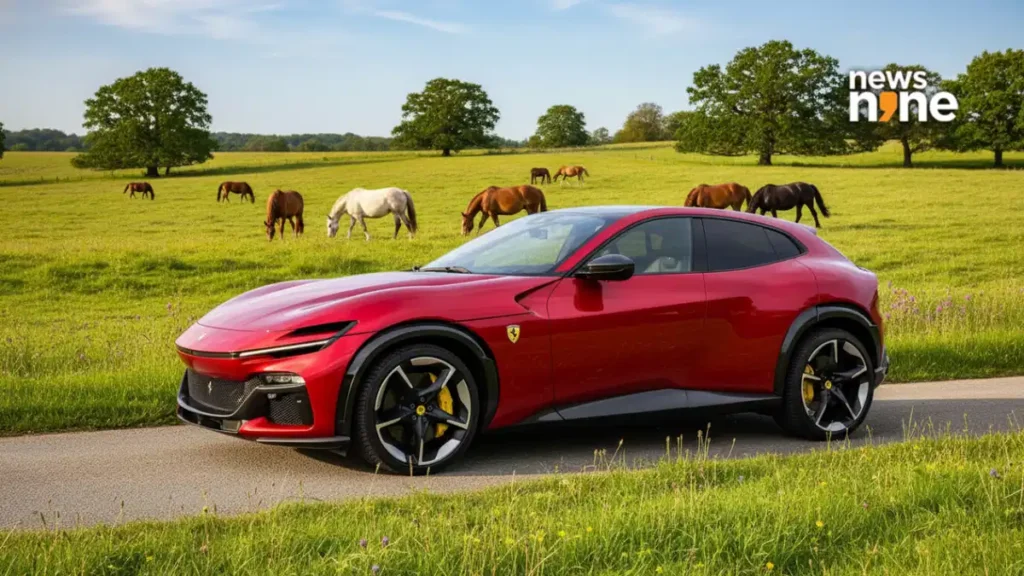
In a bold statement that’s sparking debate across the auto world, legendary designer Sir Jony Ive declared: “A large touchscreen doesn’t work in a car.” Ive, the former Apple design chief behind the iPhone’s iconic interface, made the comment while revealing the interior of Ferrari’s first electric vehicle, the Ferrari Luce—a luxury EV co-designed with his studio LoveFrom.
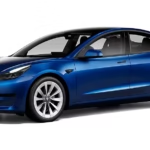
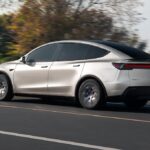
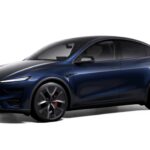
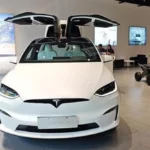
But does the data back him up? Tesla’s Model Y became the world’s best-selling passenger car for three straight years (2023–2025), with over 4 million units sold globally, largely thanks to its intuitive large touchscreen and world-class software.
This isn’t just a clash of design philosophies—it’s a battle between traditional luxury car thinking and the software-first future of EVs. Here’s a deep dive into why large touchscreens can (and do) work brilliantly in cars when paired with great software.
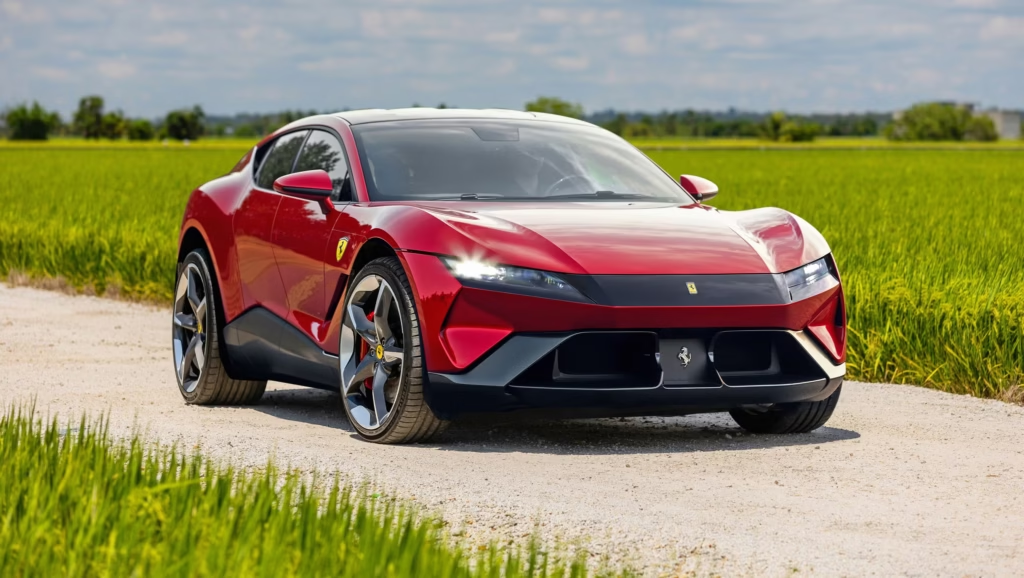
Jony Ive’s Ferrari Luce: A Return to Physical, Tactile Controls
Ferrari’s Luce, set for its full reveal in May 2026, represents Ive’s vision of a “visceral” and “engaging” cockpit. Instead of a dominant central tablet, the interior features:
- Physical and mechanical controls on the steering wheel and dashboard for core functions.
- A hybrid analogue-digital binnacle (instrument cluster) and smaller, purposeful digital displays.
- Emphasis on hierarchy, craftsmanship, and materials that “feel” premium.
Ive’s exact words sum it up: “Getting into a car and seeing one big display, well, it sucks the life out of me. This is so much more engaging and visceral – and helpful in terms of establishing hierarchy of use. Practically and functionally, a large touchscreen doesn’t work in a car. That’s incontrovertible.”
The design draws on Ive’s Apple roots but rejects the “one big screen” approach for driving. Proponents argue it keeps drivers’ eyes on the road with tactile feedback—no swiping through menus while accelerating. It’s tailored for Ferrari’s high-performance, driver-focused buyers who value the emotional connection of knobs, buttons, and levers.
Tesla Model Y: Proof That Software Makes Large Touchscreens Superior
Enter Tesla. The Model Y launched in 2020 and rocketed to the top of global sales charts by 2023—beating every gasoline, hybrid, and electric rival. As of early 2026, it’s the undisputed #1 best-selling car in the world for the third consecutive year.
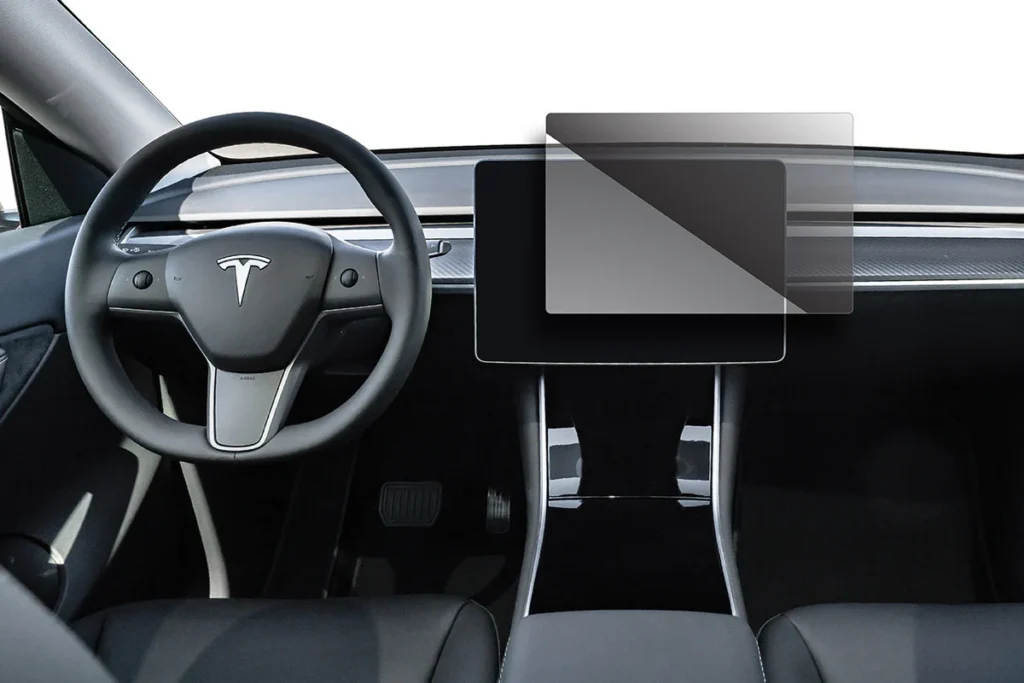
Tesla owners and analysts credit much of this to the 15-inch central touchscreen and its seamless software experience. Everything—navigation, climate control, entertainment, and even Full Self-Driving (FSD) features—is accessible via a clean, responsive interface that updates over-the-air (OTA).
“A large touchscreen does work in a car if you have great software. The Model Y became literally the overall #1 bestselling car in the world just three years after launching, partly because people loved the software experience.” Elon Musk replied simply: “True.”
Touchscreen vs. Physical Buttons: The Real Debate
| Aspect | Jony Ive / Ferrari Luce Approach | Tesla Model Y Approach | Winner for Most Drivers? |
|---|---|---|---|
| Safety & Eyes on Road | Tactile buttons/knobs—no looking down | Large, glanceable screen + voice + steering controls | Tie (Tesla improves with voice/FSD) |
| Customization | Fixed physical layout | Infinite OTA updates & app-like UI | Tesla |
| Minimalism & Clutter | Physical hierarchy feels premium | Clean dashboard, no button overload | Tesla |
| Learning Curve | Intuitive for traditional drivers | iPhone-like—easy for digital natives | Tesla (for younger buyers) |
| Future-Proofing | Hybrid analogue-digital | Full software ecosystem (FSD, Robotaxi-ready) | Tesla |
| Target Buyer | Luxury enthusiasts seeking “soul” | Everyday owners wanting tech & value | Depends on segment |
Critics of touchscreens (including some in the thread) point out that adjusting wipers, volume, or heat with a knob is faster and safer without eyes leaving the road. Ive calls big screens “easy and lazy.”
Yet Tesla’s data tells a different story: millions of Model Y drivers adapted quickly, and the software’s predictive features (like auto-dimming based on GPS or one-tap climate presets) reduce the need for constant fiddling. As vehicles move toward autonomy, screens become even more logical—your car drives itself, so the interface becomes an entertainment and productivity hub.
Why Tesla’s Software Edge Changes Everything
The key differentiator isn’t the hardware—it’s the software. Tesla treats the car like a smartphone on wheels:
- Over-the-air updates add new features for free.
- Intuitive UI with contextual menus and voice commands.
- Integration with phone apps, streaming, and gaming.
Ferrari’s hybrid approach is beautiful for a $500,000+ supercar aimed at enthusiasts who crave mechanical feedback. But for mass-market appeal (where the Model Y dominates), Tesla’s all-in touchscreen strategy wins.
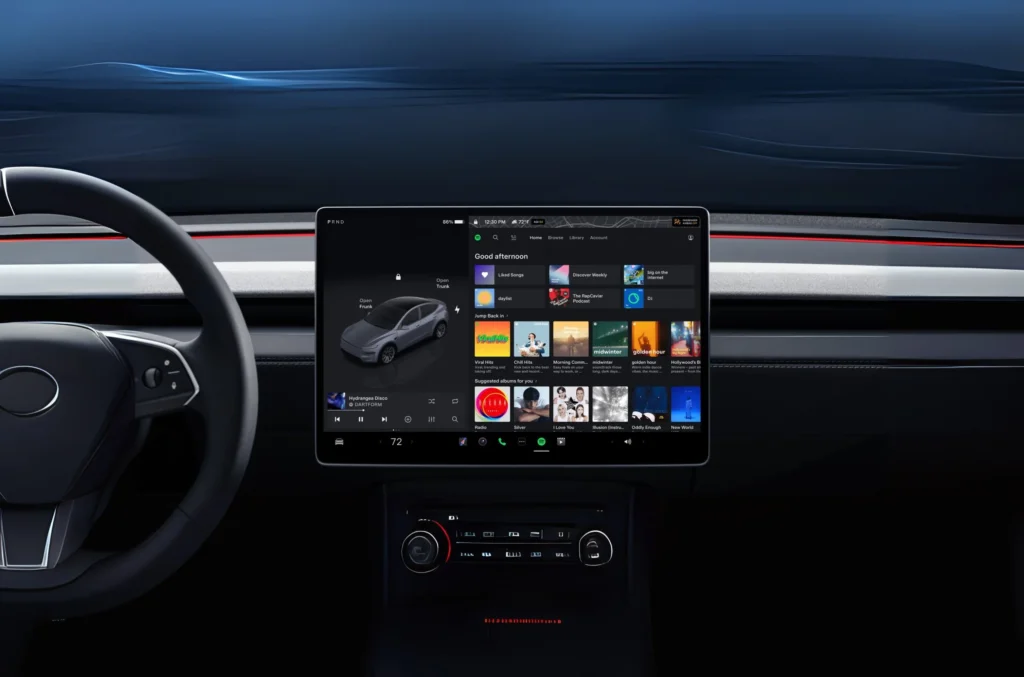
Real-world proof? Model Y sales hit 4+ million units while traditional luxury brands scramble to catch up on EVs.
The Future of Car Interiors: Autonomy Tips the Scale
As Full Self-Driving and robotaxis become mainstream, the argument for physical buttons weakens. When you’re not constantly gripping the wheel, a large, immersive screen (or even multiple displays) enhances the experience without safety trade-offs.
Ive’s design is a masterful tribute to Ferrari heritage—but it may appeal more to “old money” buyers clinging to analogue joy. Tesla is building for the future: affordable, high-volume EVs where software is the product.
Final Verdict: Large Touchscreens Work—When Done Right
Jony Ive isn’t wrong that a poorly implemented big screen feels soulless. But Tesla’s Model Y proves the opposite: pair a large touchscreen with excellent software, and it becomes a superpower that drives massive sales and customer love.
The Ferrari Luce will undoubtedly be a stunning halo car for the ultra-wealthy. But for the millions choosing their daily driver, the data is clear—the touchscreen works, and it’s winning the world over.
What do you think? Would you trade physical buttons for Tesla’s software magic, or does Ive’s tactile Ferrari vision feel more “right” for driving? Drop your thoughts below.