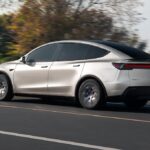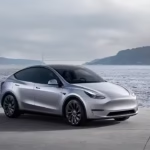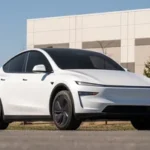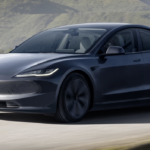
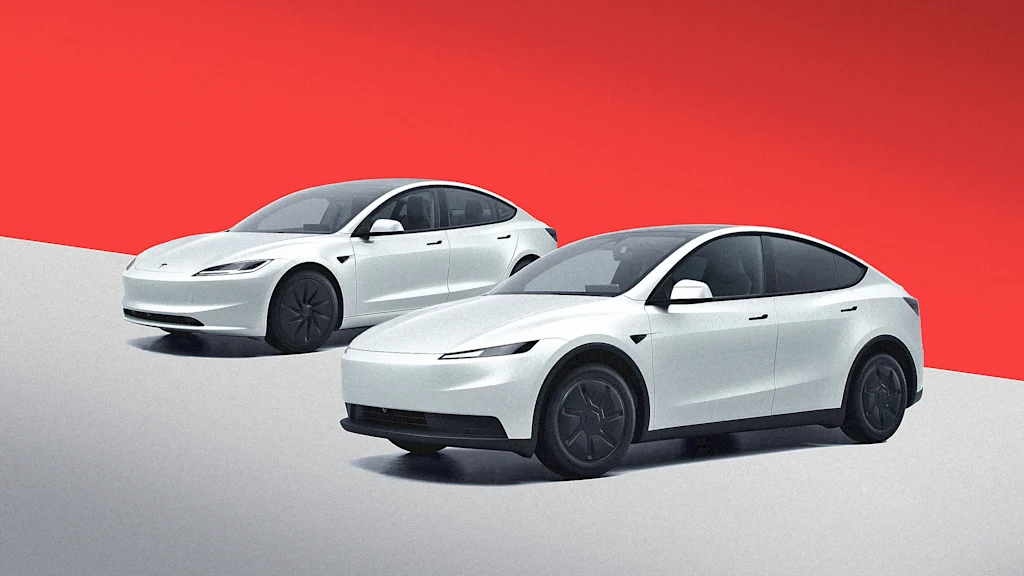
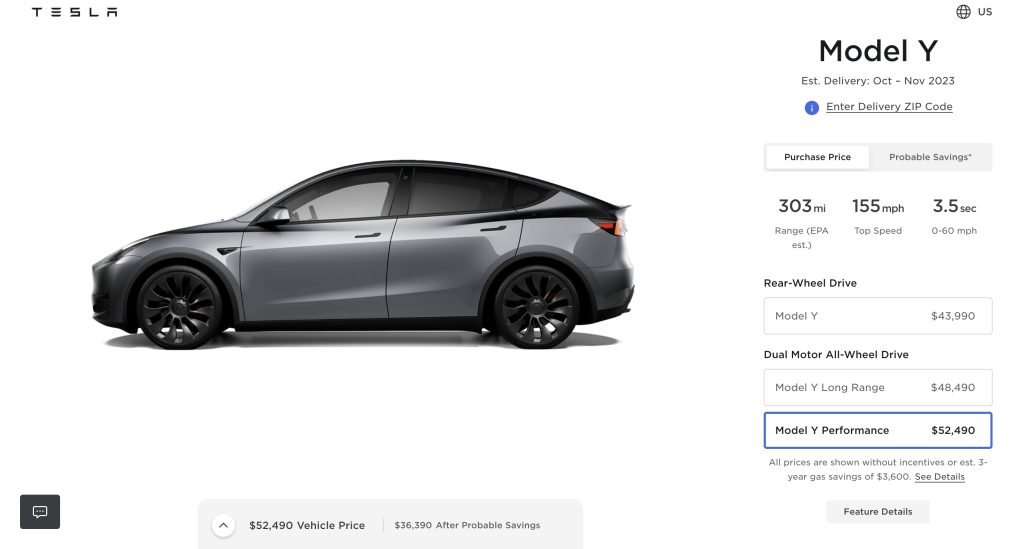
The average price of a new car in the US hit $51,607 in April 2026. For that money, you could buy a brand-new Tesla Model 3 starting at $36,990 or a Model Y from $39,990—and get a vehicle that can drive itself anywhere with the click of a button.
This isn’t hype. It’s simple math and rapidly advancing technology. In 2026, electric vehicles like the Tesla Model 3 and Model Y don’t just compete with gas cars—they dominate on price, performance, running costs, and future-proof features like Full Self-Driving (FSD) capability. Here’s why more drivers are ditching gas cars for good.
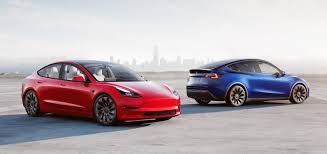
The Numbers Don’t Lie: Tesla vs. Average New Car Prices in 2026
| Vehicle | Starting Price (US) | Drive Type | Key Advantage |
|---|---|---|---|
| Tesla Model 3 | $36,990 | Rear-Wheel Drive | 321-mile range, 0-60 in 5.8s |
| Tesla Model 3 | ~$44,000+ | Long Range AWD | Up to 346 miles |
| Tesla Model Y | $39,990 | Rear-Wheel Drive | 321-mile range, SUV versatility |
| Tesla Model Y | ~$41,990+ | AWD | Family-ready space |
| Average New Car (2026) | $51,607 | Gas / Hybrid | Higher fuel + maintenance costs |
Prices include destination fees where noted; actual transaction prices may vary slightly with incentives. Data reflects April–May 2026 market conditions.
Tesla’s entry-level models sit $11,000–$15,000 below the national average while delivering superior acceleration, tech, and zero tailpipe emissions. Even after adding taxes, registration, and optional upgrades, the gap remains massive.
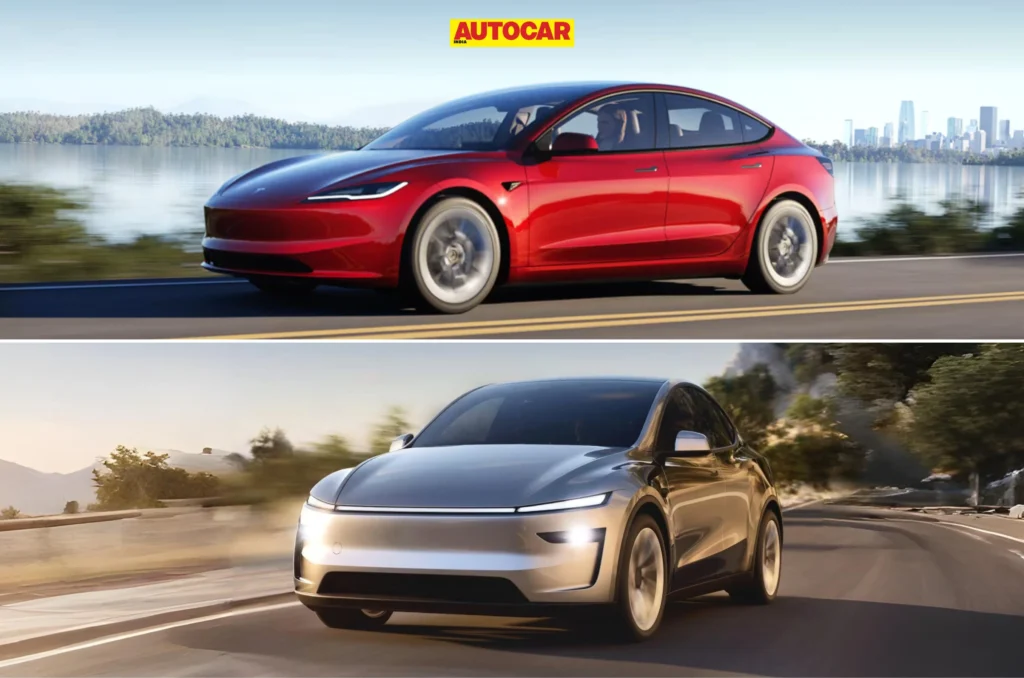
Why Tesla’s “Click of a Button” Changes Everything
Every new Tesla comes with advanced driver assistance hardware. With Full Self-Driving (Supervised)—available via a $99/month subscription or one-time purchase—you get:
- Automatic highway driving
- City street navigation
- Traffic light and stop sign control
- Autopark and summon features
No other mainstream car in this price range offers this level of autonomy today. Traditional automakers are years behind, and their “driver assist” systems don’t match Tesla’s real-world data advantage (billions of miles driven).
Real-World Cost Savings: Fuel, Maintenance, and Ownership
Gas cars lose money every mile. Here’s the breakdown:
- Fuel/Energy: Home charging costs roughly 1/4–1/5 what gasoline does. A Model 3 owner typically spends $400–600/year on electricity vs. $1,800–2,500+ for a comparable gas sedan.
- Maintenance: No oil changes, spark plugs, transmission fluid, or timing belts. Tesla’s 8-year/100,000–120,000-mile battery and drive-unit warranty covers the expensive parts.
- Insurance & Resale: Many insurers offer EV discounts; Tesla vehicles hold value exceptionally well due to software updates that keep them current.
Over five years, the total cost of ownership for a base Model 3 or Y is often thousands lower than the average $51k gas SUV or sedan—even factoring in the FSD subscription.
Addressing Common Concerns (Range Anxiety, Charging, Financing)
Critics raise valid points, but the 2026 reality has answers:
- Range: Base models deliver 300+ EPA miles—plenty for 95% of daily driving. Superchargers add 150+ miles in 15 minutes.
- Charging: Home charging is ideal (and cheap). Apartment dwellers or road-trippers use the expanding Supercharger network. Many report no issues.
- Financing: Tesla offers competitive rates. The lower sticker price often means lower monthly payments than a loaded gas vehicle at the national average.
- FSD Subscription: At $99/month, it’s optional. Many owners start without it and upgrade later. The car itself is still a better daily driver than most gas alternatives.
The Bottom Line: 2026 Is the Tipping Point for EVs
The data is clear. For less than the average new car price, you get:
- Instant torque and exhilarating performance
- Over-the-air software updates that improve your car for years
- Lower lifetime costs
- Future-ready autonomy
Gas cars still have their place for some long-haul or speciality needs, but for the vast majority of American drivers, the math no longer adds up.
Ready to make the switch? Check the current Tesla inventory and pricing directly on their site. With trade-in offers, referral incentives, and federal/state EV incentives still in play, the real out-the-door price for many buyers is even more attractive.
The era of the $50k+ gas guzzler is ending. The future is electric, autonomous, and—thanks to Tesla—surprisingly affordable in 2026.