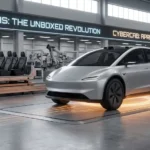
The Tesla Cybercab is here — and it’s rewriting the rules of car manufacturing, autonomy, and personal transportation. As highlighted in a viral X post by Tesla expert @niccruzpatane, this purpose-built robotaxi achieves seven major firsts in one vehicle: no steering wheel or pedals, revolutionary Unboxed manufacturing, a ~10-second cycle time target, a ~$30,000 price tag, colour-infused plastic body panels (no paint shop), record-breaking 165 Wh/mi efficiency, and planned widespread wireless charging.
This isn’t just another EV. It’s Tesla’s boldest bet yet on a future where cars drive themselves, cost less than today’s used sedans, and slash operating expenses to pennies per mile. Production is already underway at Giga Texas, making the Cybercab one of the most talked-about vehicles of 2026.
What Is the Tesla Cybercab?
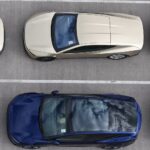
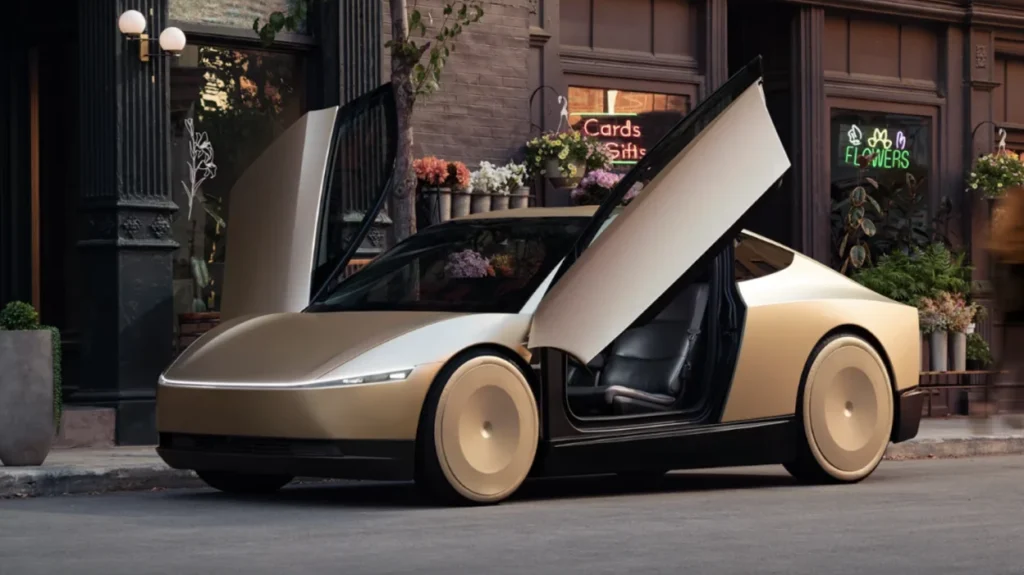
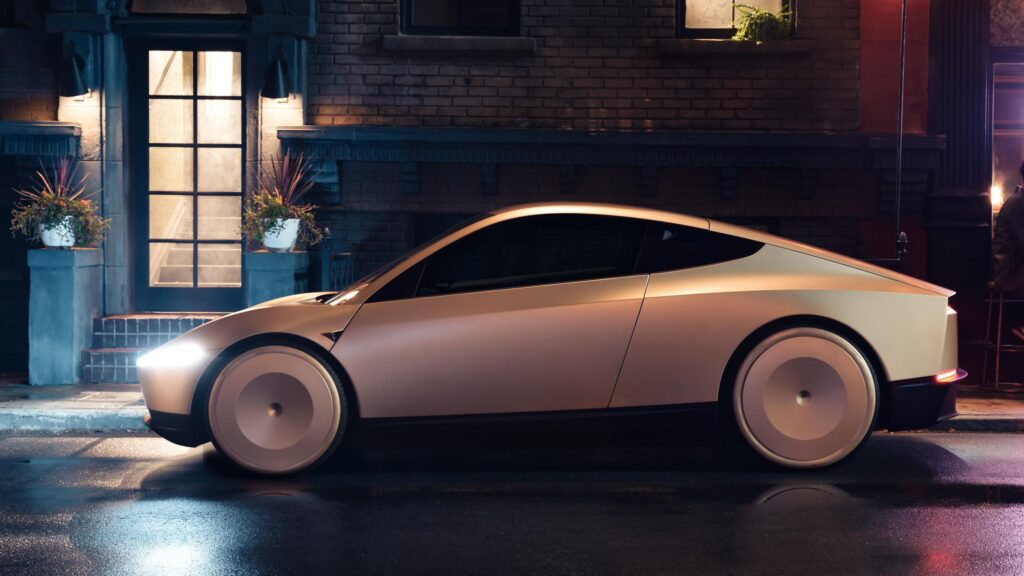
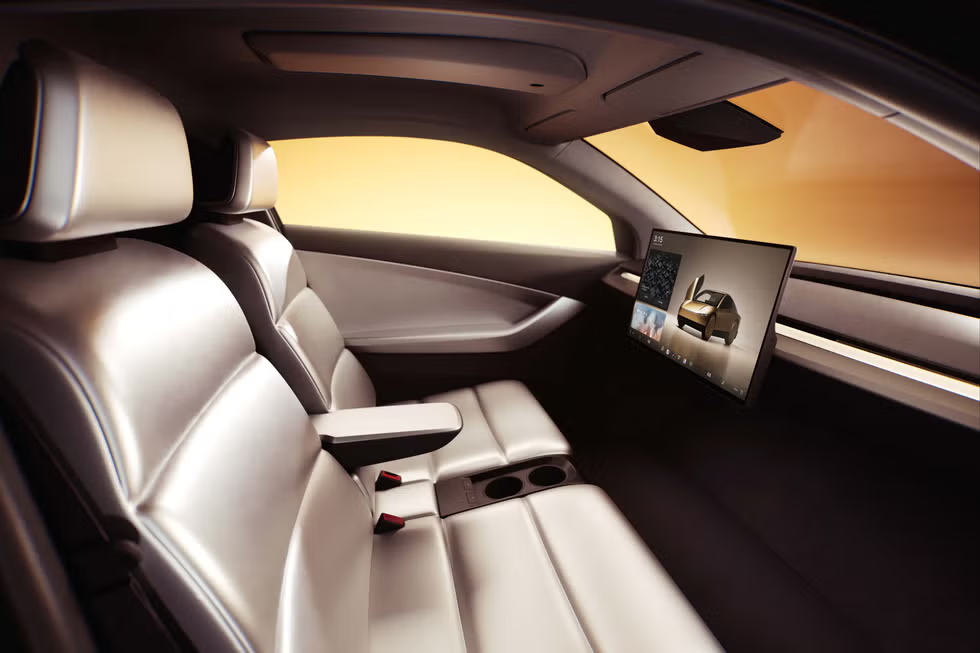
The Cybercab is Tesla’s first mass-produced, purpose-built robotaxi — a sleek two-seater coupe designed entirely around Full Self-Driving (FSD) autonomy. Unlike converted Model 3 or Y vehicles used in current robotaxi tests, the Cybercab was engineered from the ground up with no steering wheel, no pedals, and no driver controls.
Key specs include:
- Two-passenger layout optimised for the majority of urban rides
- Butterfly/dihedral doors for easy access
- Compact ~35 kWh battery delivering ~200 miles of range
- Aerodynamic design for ultra-low energy use
- Inductive (wireless) charging pads for hands-free top-ups at scale
It’s not meant for long highway trips or family hauls — it’s a dedicated urban mobility pod that can earn money for owners by joining Tesla’s Robotaxi network.
7 Revolutionary Firsts of the Tesla Cybercab
The original X post nailed the groundbreaking features. Here’s a deeper look at each:
- First mass-produced vehicle designed from the ground up as a purpose-built Robotaxi
No compromises from human-driven heritage. Every component prioritises autonomy, efficiency, and fleet economics. - First vehicle produced with the revolutionary Unboxed Manufacturing Process
Tesla’s new modular assembly method builds front, rear, battery/floor, and side modules in parallel before final snap-together integration. This slashes factory footprint by ~40%, cuts capital expenditure dramatically, and enables far higher throughput than traditional lines. - First high-volume vehicle targeting ~10s cycle time
Lightning-fast production pace that could make Cybercab one of the fastest vehicles ever built at scale — a game-changer for meeting massive robotaxi demand. - First high-volume autonomous vehicle you can actually buy for ~$30,000
Elon Musk and Tesla have confirmed the target price under $30k. That puts a brand-new, fully autonomous EV cheaper than many used Model 3s. - First production vehicle with colour-infused plastic body panels (no paint shop)
Polyurethane panels with pigment baked in during moulding. Scratches don’t show colour loss, panels are lightweight and easily replaceable, and Tesla eliminates the massive, energy-intensive paint shop entirely. - First production EV with record-breaking 165 Wh/mi efficiency
Officially certified as the most efficient EV ever — beating the Lucid Air by ~28% and the Model 3 by ~30-35%. Expect real-world operating costs of just 2-3 cents per mile. - First robotaxi with planned widespread wireless charging capability
Inductive charging pads (planned efficiency >90%) mean Cybercabs simply park and charge automatically — no plugs, no downtime, perfect for fleet operations.
Why the Cybercab Is the “iPhone Moment” for Cars
Just as the iPhone killed feature phones and created the smartphone era, the Cybercab could end the age of traditional human-driven vehicles for daily transport. Owners will be able to:
- Use it as a personal car
- Deploy it into Tesla’s Robotaxi network for passive income
- Operate at a dramatically lower cost than Uber or traditional taxis
With production ramping in 2026 and volume scaling thanks to Unboxed manufacturing, Tesla aims to flood the market with affordable autonomy.
Production Status and Timeline (2026 Update)
- Early production units rolled off the Giga Texas line in February–April 2026
- Steering-wheel-free builds are now in full swing
- Volume production is accelerating with the new Unboxed process
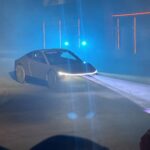
Tesla is already testing Cybercabs on public roads (some early prototypes include temporary controls for regulatory reasons).
The Bigger Picture: Robotaxi Economics and Sustainability
At 165 Wh/mi and ~$30k price, the Cybercab makes autonomous mobility cheaper than owning a gas car. Fleet operators could achieve sub-$0.20/mile costs, disrupting ride-hailing and public transit. Environmentally, the efficiency gains and elimination of paint shops reduce manufacturing emissions significantly.
Challenges ahead? Regulatory approval for fully driverless operation, scaling FSD reliability, and competition from other robotaxi players remain. But Tesla’s vertical integration and data advantage position the Cybercab as the frontrunner.
Ready for the Future of Driving?
The Tesla Cybercab isn’t just a car — it’s a glimpse at mobility 2.0. Affordable, autonomous, ultra-efficient, and built with manufacturing innovation that could reshape entire industries.
Whether you’re excited about owning one, joining the Robotaxi fleet, or simply watching the auto world transform, 2026 is shaping up to be the year the Cybercab changes everything.
What do you think — is the Cybercab the iPhone of cars? Drop your thoughts in the comments.
FAQs
Q: How much does the Tesla Cybercab cost?
A: Targeted at under $30,000.
Q: When will Cybercab production ramp?
A: Early production started in 2026 at Giga Texas; volume scaling with the Unboxed process.
Q: Does the Cybercab have wireless charging?
A: Yes — inductive charging is a core planned feature.
Q: What makes Cybercab the most efficient EV?
A: 165 Wh/mi certified efficiency thanks to purpose-built design and lightweight construction.
Stay tuned for more updates as Tesla rolls out this revolutionary robotaxi. The future of driving is driverless — and it’s arriving faster than you think.