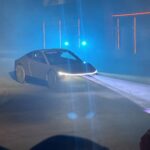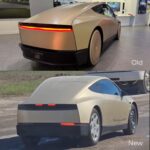
Tesla has officially entered a new chapter in autonomous mobility. On April 23, 2026, prominent Tesla watcher Sawyer Merritt shared stunning photos of VIN Zero — the very first production Tesla Cybercab built at Giga Texas. Captioned “A new era begins,” the post highlights the glossy gold, steering-wheel-free robotaxi as volume production ramps up.
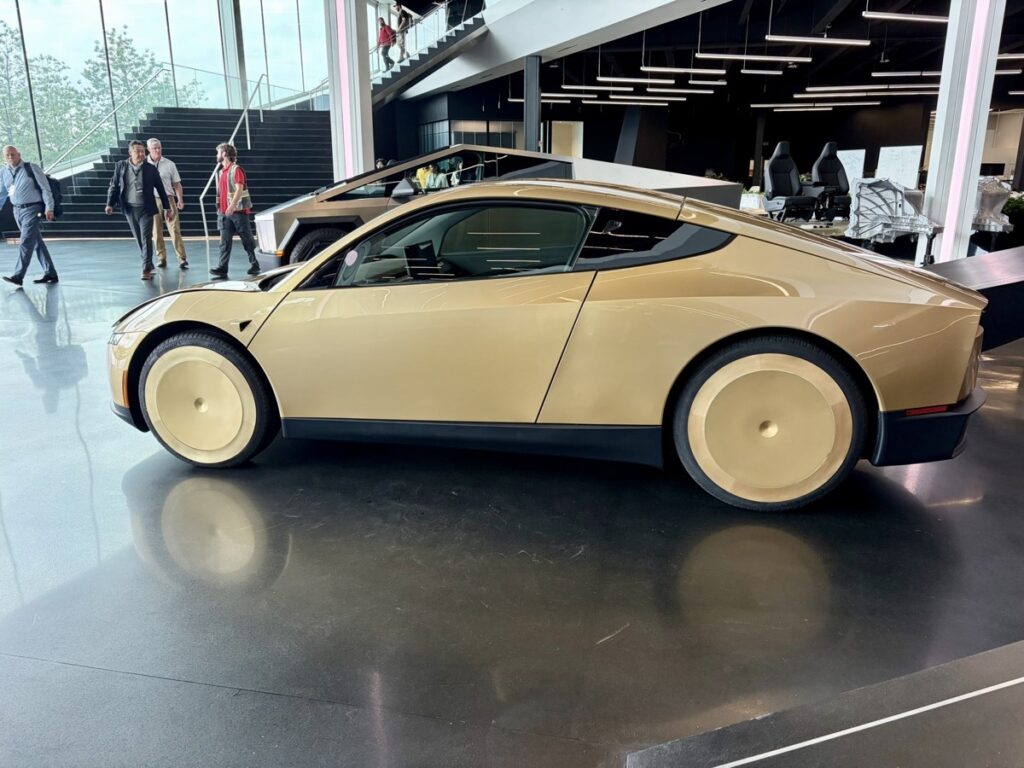
This milestone isn’t just another factory rollout — it’s the concrete realisation of Elon Musk’s long-promised robotaxi vision. Here’s everything you need to know about the Tesla Cybercab production start, VIN Zero, key specs, timeline, and what it means for the future of transportation
.
What Is the Tesla Cybercab? Purpose-Built Robotaxi Explained
Unlike Tesla’s current lineup (Model 3, Y, S, X, and Cybertruck), the Cybercab is a dedicated, purpose-built autonomous vehicle designed from the ground up for robotaxi service. Key highlights include:
- No steering wheel or pedals — fully driverless by design
- Two-seater layout optimised for ride-hailing
- Glossy gold finish on production units (distinct from earlier prototypes)
- Camera-only vision system powered by Tesla’s latest AI hardware
- Target price under $30,000 (Musk has referenced ~$25,000 in recent comments)
- ~200-mile range with a ~35 kWh battery pack
- Inductive (wireless) charging as the primary method for high-efficiency fleet operations
The Cybercab was first unveiled in October 2024 during Tesla’s “We, Robot” event. Two years later, the transition from concept to production reality is accelerating at Giga Texas.
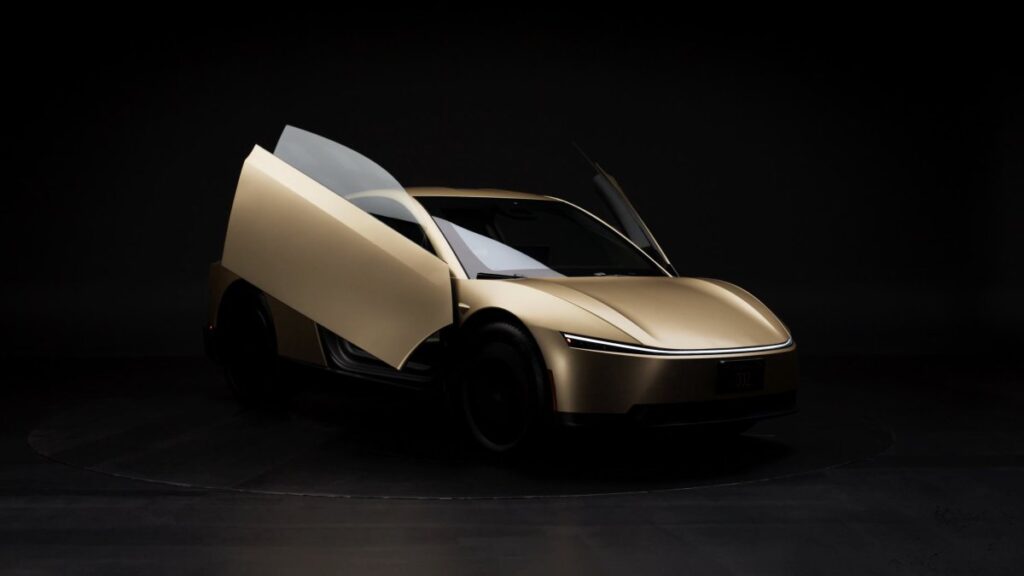
VIN Zero: The First Production Cybercab at Giga Texas
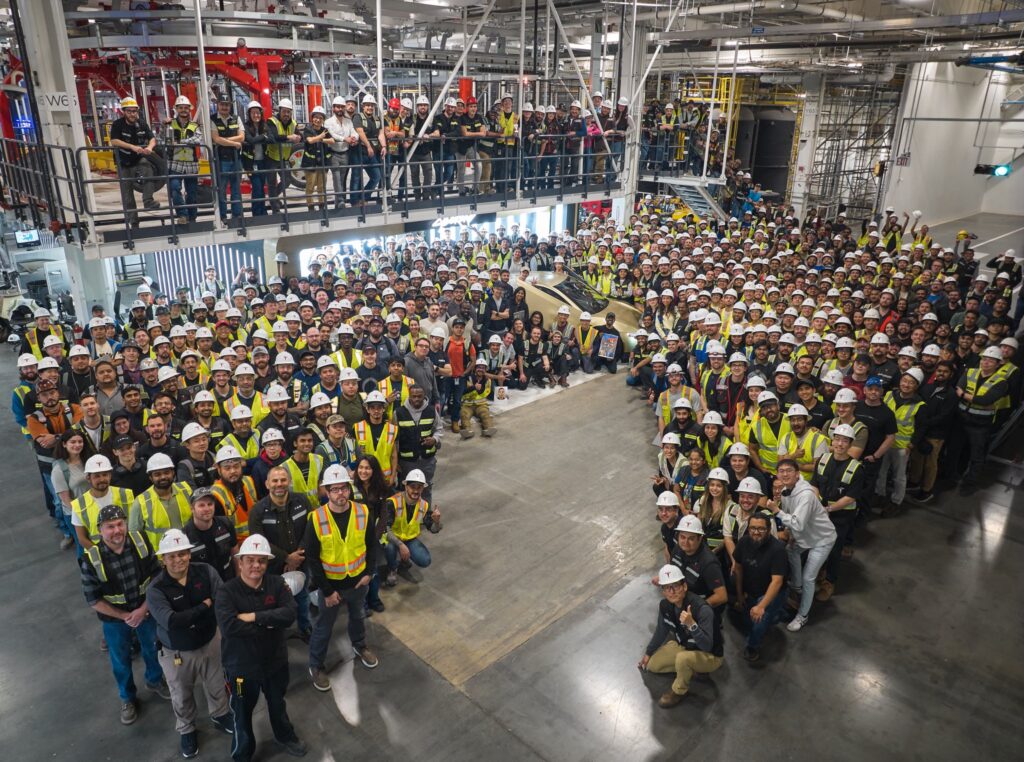
VIN Zero represents the official start of series production. While the absolute first steering-wheel-less unit rolled off the line in February 2026, April 2026 marks the shift to volume production. Tesla has already spotted dozens of Cybercabs on the Giga Texas campus, with dozens more in various stages of assembly.
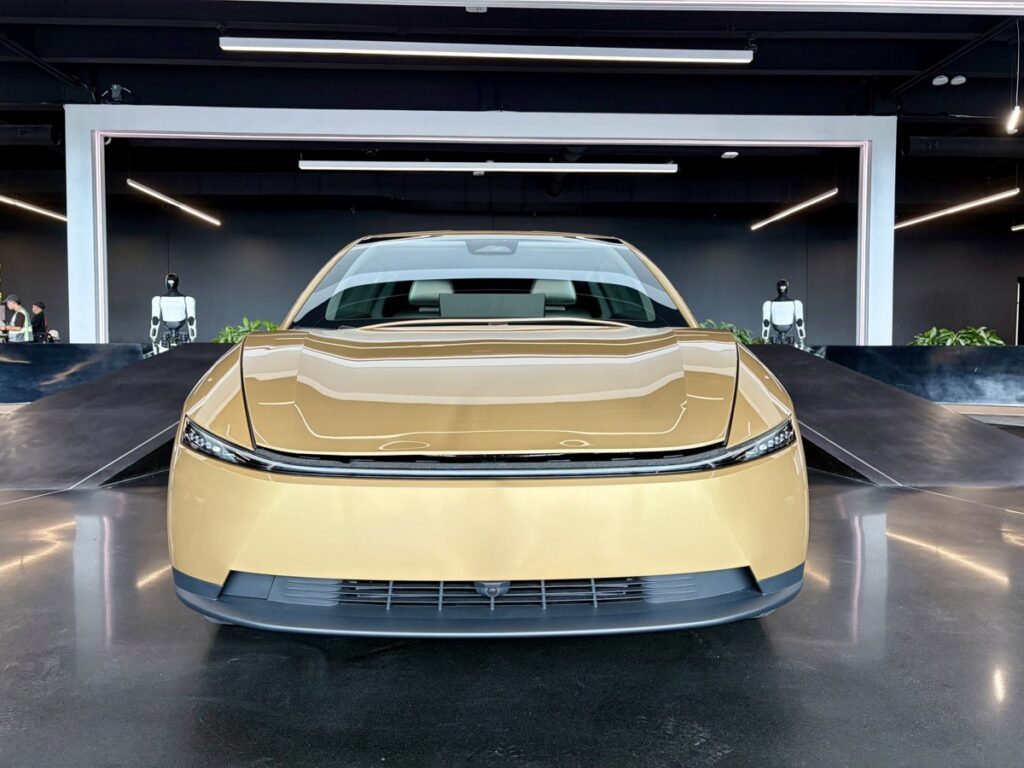
Production images show the sleek, aerodynamic two-seater with flush door handles, aero wheels, and a minimalist exterior. Early production units feature the signature glossy gold paint that gives the Cybercab a premium, futuristic look compared to matte prototype versions.
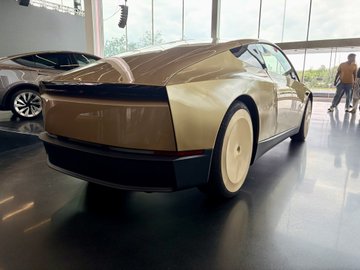
Tesla is leveraging its “unboxed” modular manufacturing process at Giga Texas to achieve high-volume, low-cost output — a key enabler for the ambitious goal of millions of robotaxis.
Tesla Cybercab Production Timeline (2026 and Beyond)
| Milestone | Date | Details |
|---|---|---|
| First steering-wheel-less unit | February 17, 2026 | Initial prototype production |
| Volume production ramp | April 2026 | Official start of series output |
| Fleet scaling | Late 2026 – 2027 | Robotaxi network deployment |
| High-volume target | 2027+ | Potential for 2 million units/year at full scale |
Elon Musk confirmed during Tesla’s Q1 2026 earnings call that Cybercab production is officially underway, while noting the initial ramp will be “agonisingly slow” as the team debugs new processes and technologies.
Why This Matters: The Robotaxi Revolution
The Tesla Cybercab is more than a car — it’s the foundation for Tesla’s Mobility-as-a-Service (MaaS) business. Once unsupervised Full Self-Driving (FSD) is approved at scale:
- Owners will be able to add their Cybercabs (and other Tesla vehicles) to the Tesla Robotaxi network
- Riders will summon vehicles via the Tesla app with no driver needed
- Tesla aims to generate significant recurring revenue through fleet operations
Analysts see this as a potential multi-trillion-dollar opportunity that could dwarf Tesla’s current vehicle sales business. Early production at Giga Texas puts the company ahead of competitors in the autonomous ride-hailing space.
Challenges Ahead for Cybercab Deployment
Despite the production milestone, several hurdles remain:
- Regulatory approval for fully unsupervised operation (NHTSA and state DMVs)
- Initial production cap of 2,500 vehicles per year without steering wheels (Tesla is building some interim test units with temporary controls)
- FSD software maturity for true Level 4/5 autonomy across diverse conditions
- Scaling manufacturing to meet ambitious volume targets
Tesla is addressing these by crash-testing early units and gathering real-world data while working closely with regulators.
The Road Ahead: Tesla’s Autonomous Future Is Here
The arrival of VIN Zero at Giga Texas signals that the robotaxi era is no longer science fiction — it’s rolling off the assembly line today. With production ramping in April 2026, Tesla is positioning itself at the forefront of the autonomous transportation revolution.
Whether you’re an investor, EV enthusiast, or someone who simply wants cheaper, safer rides, the Tesla Cybercab represents a seismic shift. Keep watching Giga Texas — the next few months will bring more Cybercabs, more data, and hopefully the regulatory green lights needed to unleash the full robotaxi fleet.
What do you think? Will the Cybercab change how we get around cities forever? Drop your thoughts in the comments and follow for the latest Tesla robotaxi updates, production news, and autonomous driving breakthroughs.
Sources include official Tesla updates, Giga Texas production reports, and earnings call confirmations from April 2026.