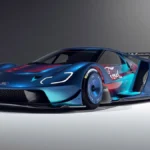
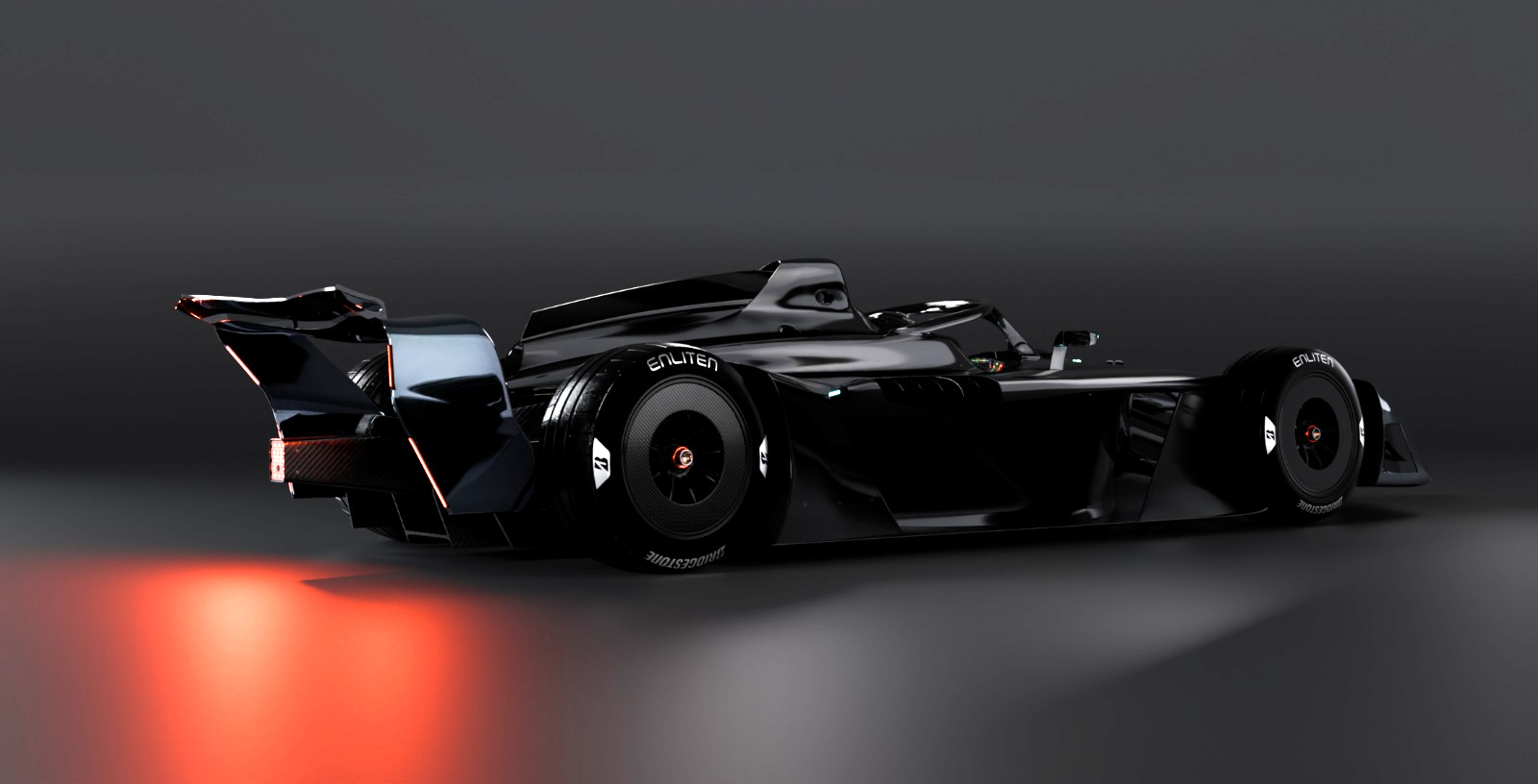
Formula E has officially unveiled its most advanced race car yet — the Gen 4 — and the specs are nothing short of breathtaking. Showcased for the first time at Circuit Paul Ricard in France on April 21-22, 2026, the new Gen 4 single-seater pushes electric motorsport into uncharted territory with massive power gains, groundbreaking sustainability, and performance that rivals or exceeds Formula 1 in key areas.
The reveal video (shared widely on social media) captures the sleek, aggressive machine tearing across the track in a striking blue-and-black livery packed with sponsor branding from ABB, Saudia, and Bridgestone. Close-up shots highlight the intricate aerodynamic details, wide cockpit, and massive rear wing as the car accelerates hard, drifts through corners, and demonstrates its raw speed on the French circuit. It ends with the bold “GEN4” logo, signalling the dawn of a new era for the all-electric championship starting in the 2026/27 season.
Key Specs of the Formula E Gen 4 Race Car
Here’s exactly what makes this the fastest and most innovative Formula E car ever built:
- Power Output: Up to 815 hp (600 kW) in Attack Mode — a huge leap from previous generations. In standard race mode, it delivers around 603 hp (450 kW), which is still 50% more powerful than the Gen 3 Evo.
- Top Speed: 200 mph (335 km/h) — making it the fastest Formula E car in history.
- Drivetrain: Permanent all-wheel drive (AWD) with electric motors front and rear delivering over 90% efficiency.
- Acceleration: 0-60 mph in just 1.8 seconds — approximately 30% quicker than many F1 cars in certain metrics and 1.5 seconds faster to 124 mph than the outgoing model.
- Regenerative Braking: Massive 700 kW regen capability. The car can recover nearly 50% of the energy needed for an entire race through braking alone.
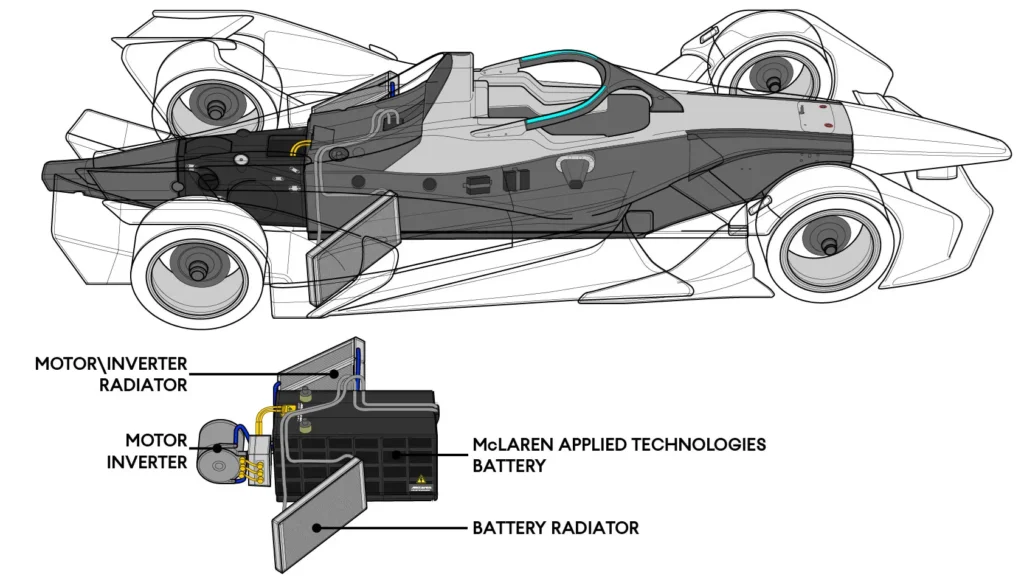
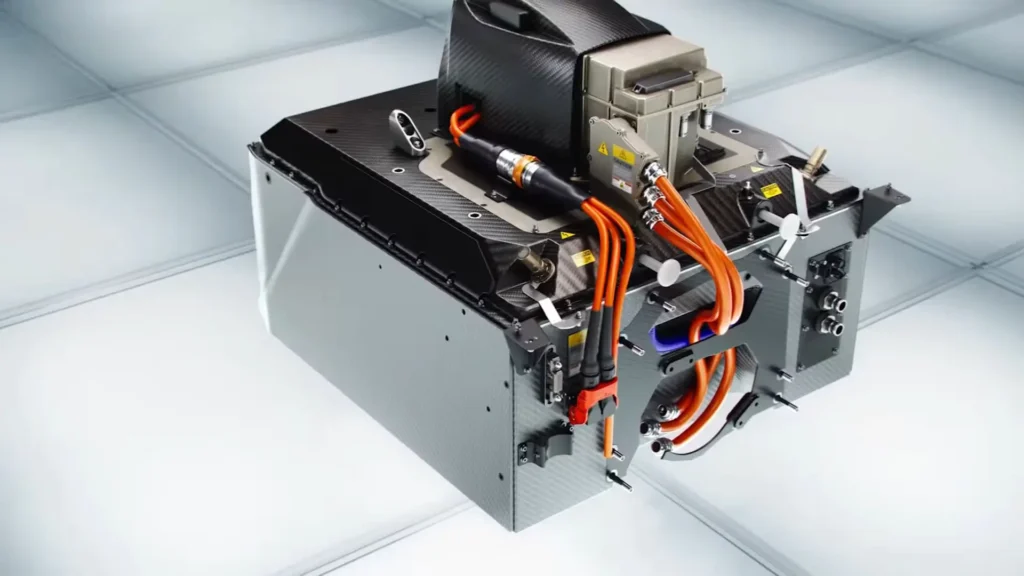
- Battery: 55 kWh capacity from Podium Advanced Technologies.
- Sustainability First: The body construction uses 100% recyclable materials and incorporates 20% recycled content — making the Gen 4 the world’s first fully recyclable single-seater race car.
- Lap Time Gains: Roughly 10 seconds faster per lap compared to the previous generation.
- Dimensions & Weight: Longer overall (5,540 mm) with a wider cockpit for better driver ergonomics, power steering, and improved safety. Minimum weight is approximately 950-954 kg, including the driver.
These numbers come directly from the official Formula E showcase and FIA technical sheets, confirming the Gen 4 isn’t just an evolution — it’s a revolution in electric racing technology.
Why the Formula E Gen 4 Changes Everything for EV Fans
Formula E has always been the proving ground for next-generation EV tech that eventually trickles down to road cars. The Gen 4 takes this to another level:
- The 700 kW regenerative braking system recovers a massive portion of energy on track, directly influencing future high-performance road EVs and charging strategies.
- Permanent AWD with independent front/rear motor control delivers instant torque vectoring that improves handling and efficiency — tech we’re already seeing hints of in production performance EVs.
- The 100% recyclable chassis sets a new standard for sustainable manufacturing that automakers worldwide will be watching closely.
Compared to Formula 1, the Gen 4 is closing the gap dramatically. While F1 cars still hold an edge in outright downforce and top-end power in some scenarios, the Formula E Gen 4’s electric powertrain offers superior acceleration off the line and far greater energy recovery — all while producing zero tailpipe emissions.
What This Means for the 2026/27 Formula E Season
The Gen 4 cars will debut in Season 13 (2026/27), and early testing already shows they’ve met or exceeded performance targets. Teams like Porsche, Jaguar TCS Racing, and others have begun developing their own Gen 4 machines, with some already running test liveries.
The combination of higher power, faster lap times, permanent AWD, and dramatic regen means closer, more exciting racing with fewer energy management restrictions. Fans can expect longer full-power stints and more aggressive overtaking — exactly what the championship needs to grow its global audience.
Formula E’s CEO Jeff Dodds confirmed the car has already delivered on its ambitious targets during development, calling it “very gratifying” that the on-track performance matched the simulations from day one.
The Formula E Gen 4 isn’t just a new race car — it’s proof that electric motorsport can deliver spectacle, sustainability, and record-breaking performance all at once. As the 2026/27 season approaches, expect this machine to redefine what’s possible in the world of high-performance EVs.
Stay tuned to usonwheels.com for more on how this cutting-edge tech will influence future Tesla, EV road cars, and the entire electric mobility landscape. The electric revolution just got a whole lot faster.