Ferrari has finally entered the electric vehicle era with the Luce EV, its groundbreaking first fully electric production car. Unveiled on May 25, 2026, the Luce promises blistering performance, advanced engineering, and a bold new design philosophy. But one detail has dominated headlines and social media: its drag coefficient of 0.254 Cd, claimed as the lowest in Ferrari’s road-car history.
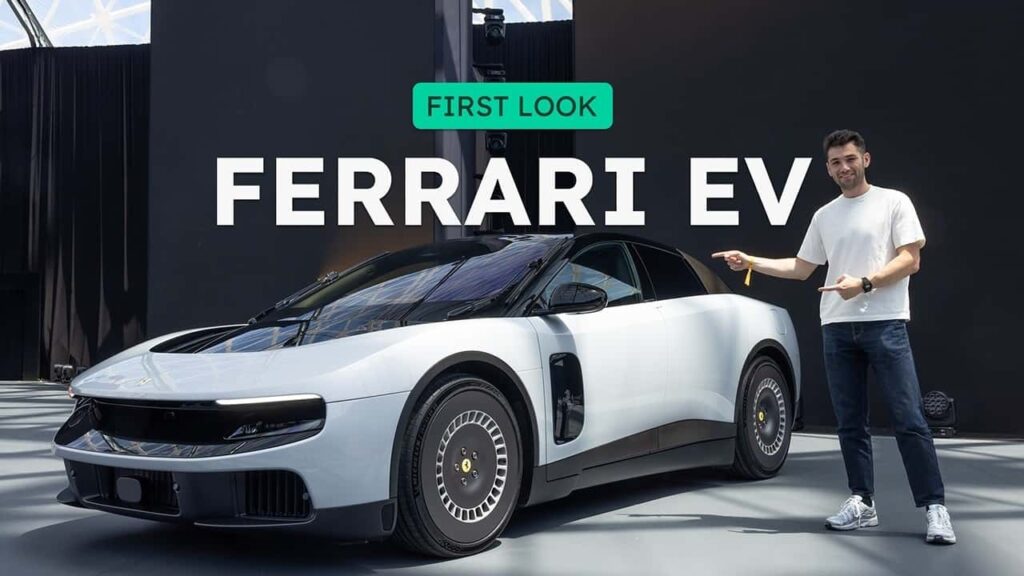
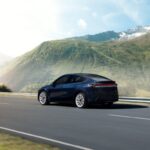
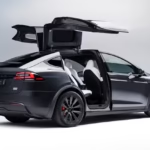
A viral X post comparing the Luce directly to Tesla models has amplified the conversation. With Tesla’s Model S achieving 0.208 Cd, Model 3 at 0.219 Cd, Model Y at 0.23 Cd, and Model X at 0.24 Cd, the debate is clear: Can you achieve class-leading aerodynamics without compromising stunning design? The Luce proves the challenge – and sparks fierce opinions.
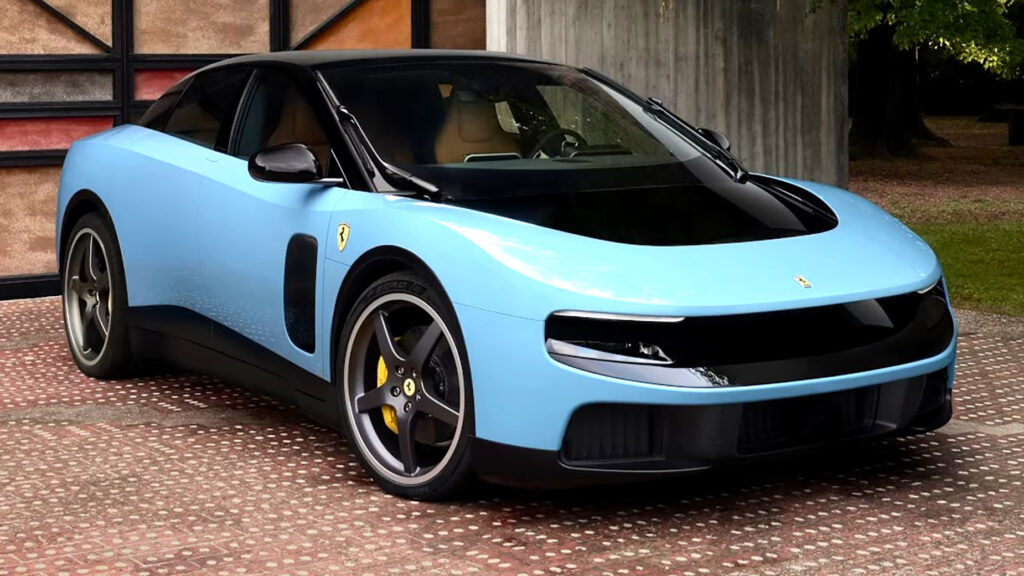
What Is the Ferrari Luce EV?
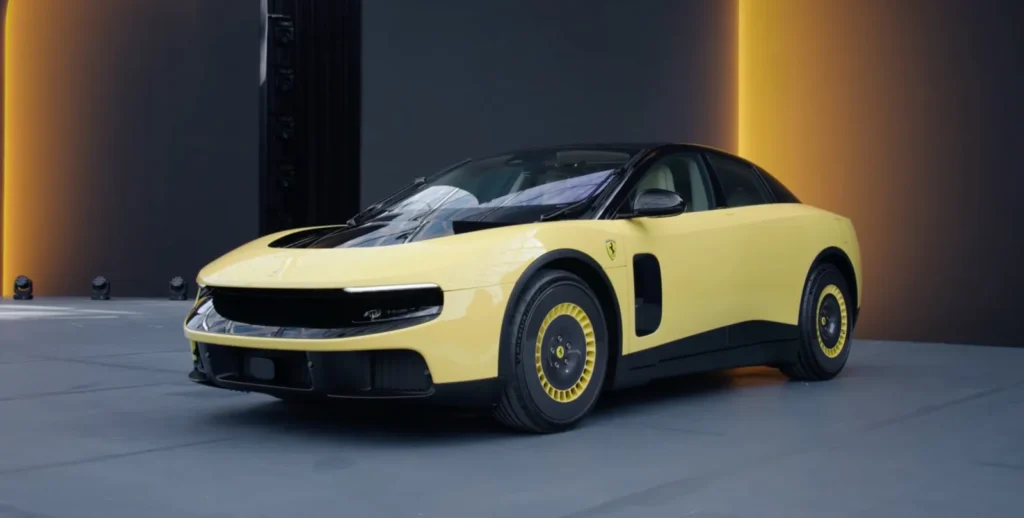
The Luce marks a new chapter for the Italian marque. It’s a spacious four-door liftback sedan designed from the ground up as an EV, seating five passengers comfortably for the first time in Ferrari history. Ferrari collaborated with design legends Jony Ive and Marc Newson of LoveFrom studio to create a “clean-sheet” vehicle that blends extreme performance with everyday usability.
Key highlights include:
- Quad electric motors delivering approximately 1,035–1,050 horsepower.
- 0-100 km/h (0-62 mph) in just 2.5 seconds.
- Top speed of 310 km/h (193 mph).
- 122 kWh battery with 880-volt architecture and ultra-fast charging (up to 350 kW DC).
- WLTP range exceeding 530 km (about 330 miles).
Priced from around €550,000 (roughly $640,000 USD), the Luce positions itself as a hyper-luxury EV that prioritises Ferrari’s signature driving thrill in an electric format.
Aerodynamics at the Heart of the Luce: 0.254 Cd Explained
Ferrari engineers made aerodynamics the top priority to maximise range and efficiency in an EV. The Luce achieves its 0.254 Cd without relying on active aerodynamics – a deliberate choice to keep weight down and maintain visual purity.
Key aero innovations include:
- Smooth, continuous body surfaces that resemble a “glasshouse” teardrop shape.
- Patented vertical windshield wipers that reduce turbulence.
- Large 23-inch front and 24-inch rear wheels (Ferrari’s largest ever) with optional turbine-style designs that cut drag by an additional 5%.
- Active air shutters and optimised ride-height logic that lowers the front by 10 mm at speed.
Ferrari calls this “by far the lowest drag coefficient in the history of Maranello’s road cars.” The result? Better efficiency, higher top speed, and improved real-world range without sacrificing downforce for handling.
Ferrari Luce vs. Tesla: Drag Coefficient Showdown
The viral X post (from Tesla-focused account @niccruzpatane) puts the numbers side-by-side and includes a striking aerodynamic visualisation video. It shows airflow over the blue Luce (0.254 Cd) compared to a red Tesla Model S (0.208 Cd). The Tesla exhibits smoother, more laminar flow lines, highlighting its superior slipperiness.
Here’s the quick comparison:
- Ferrari Luce: 0.254 Cd
- Tesla Model S: 0.208 Cd
- Tesla Model 3: 0.219 Cd
- Tesla Model Y: 0.23 Cd
- Tesla Model X: 0.24 Cd
Tesla has long led the industry in production-car aerodynamics, proving that low drag and practical, desirable designs can coexist. The Luce’s higher Cd (still excellent for a high-performance luxury sedan) shows that Ferrari prioritized its brand DNA over chasing absolute records held by cars like the Lucid Air (0.197 Cd) or Lightyear 0 (0.175 Cd).
Critics note the comparison isn’t apples-to-apples: the Luce’s figure is a Ferrari internal benchmark, not a global one. Still, it fuels the ongoing discussion about whether legacy automakers can match Tesla’s efficiency leadership in EVs.
Design Debate: Lowest Drag – But Is the Luce “Ugly”?
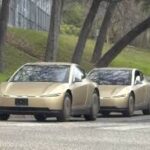
The Luce’s unconventional styling has polarised opinions. Its bulbous fastback profile, massive glasshouse, and minimalist front end (no traditional grille) draw comparisons to a Nissan Leaf or Toyota Prius by some detractors. Others praise its bold, futuristic purity and “solid object” philosophy from chief designer Flavio Manzoni.
Supporters argue the design proves you don’t need a boring shape for low drag. Detractors say the fixation on aerodynamics resulted in a car that feels clinical rather than emotional – a rare criticism for Ferrari.
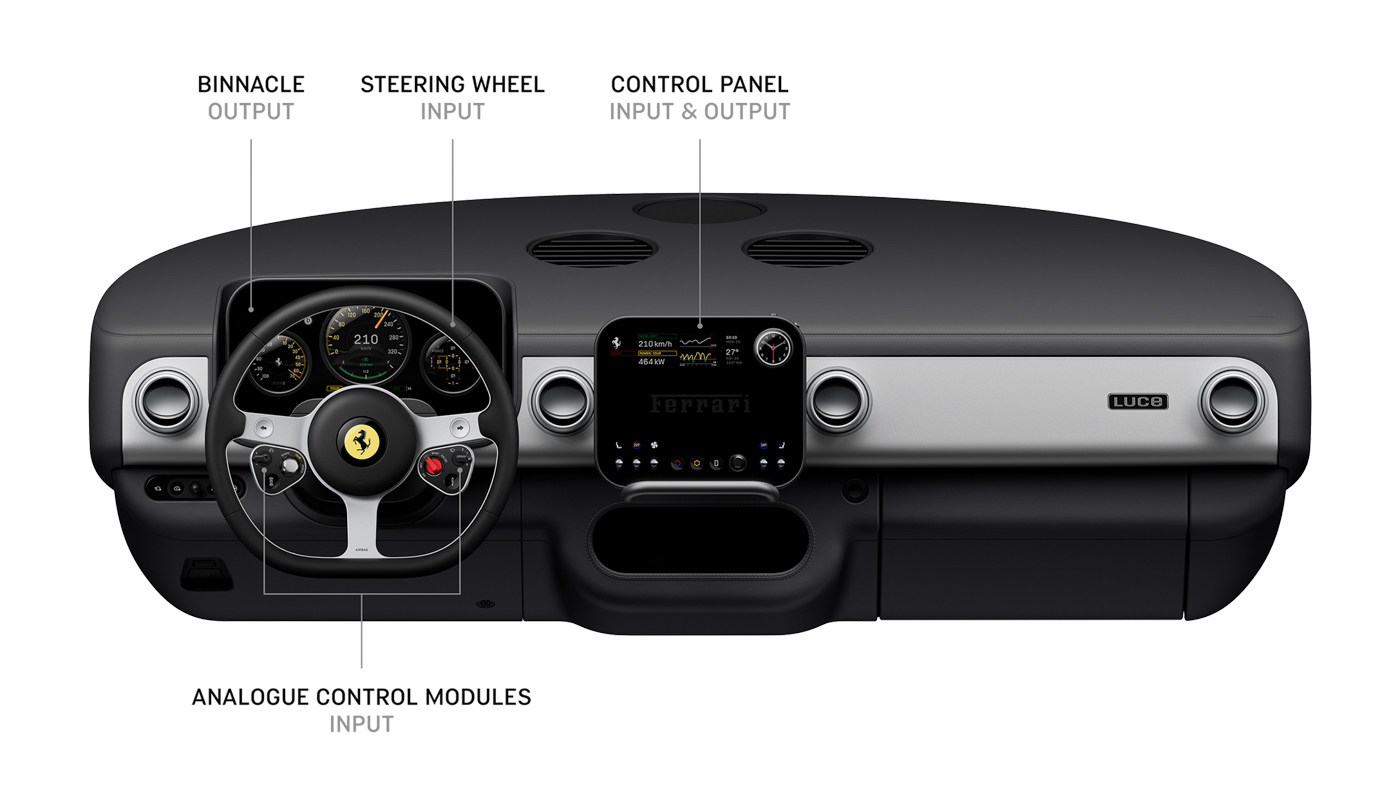
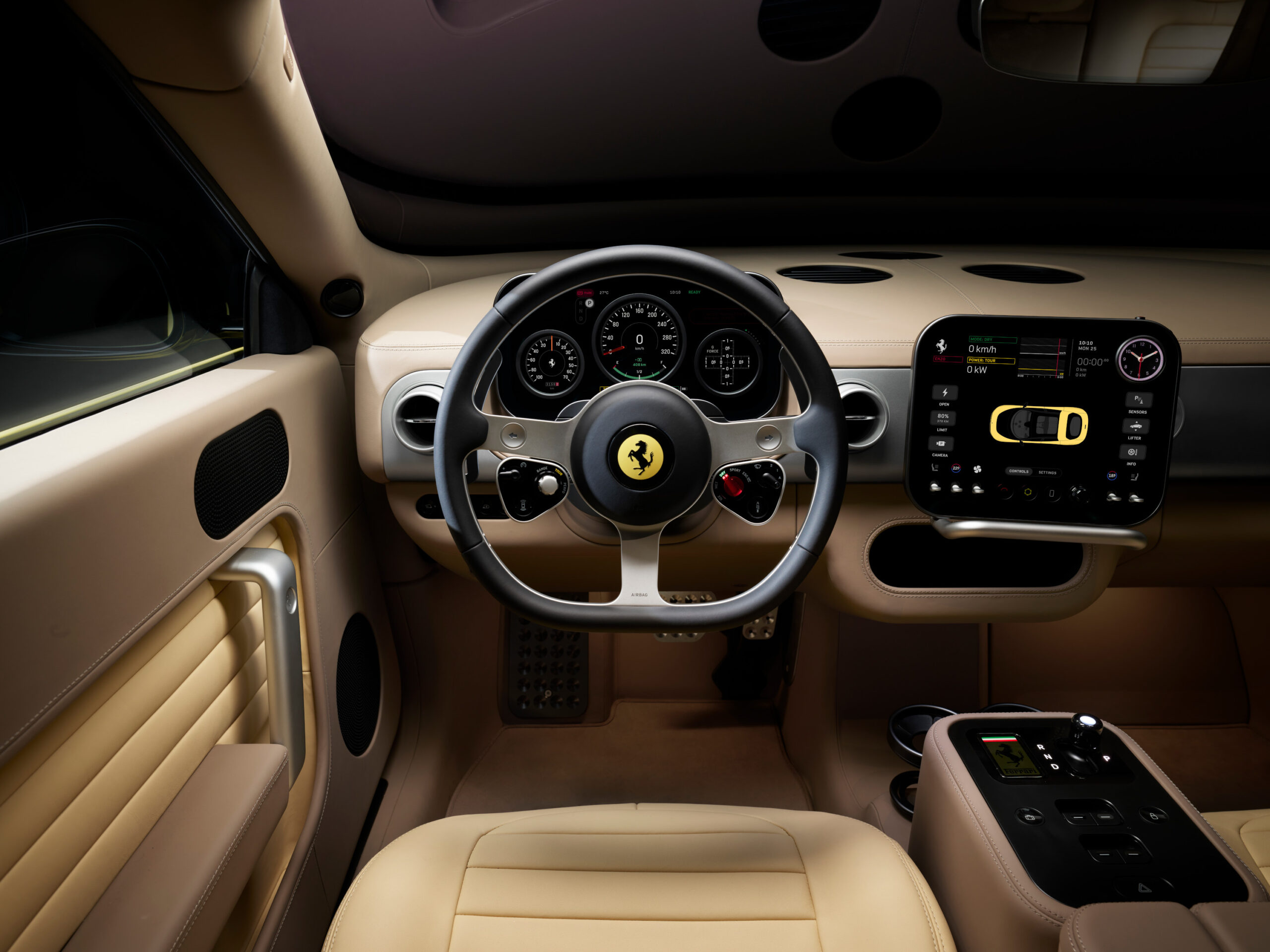
Inside, the Jony Ive-influenced cabin emphasizes simplicity with physical buttons, a mechanical clock, and premium materials – a refreshing analog touch in a digital EV world. It’s Ferrari’s most spacious and comfortable model ever, blending supercar dynamics with grand-tourer practicality.
Performance, Range, and Real-World Implications
Beyond the numbers, the Luce delivers Ferrari’s signature engagement. Features like torque vectoring, active suspension, four-wheel steering, and a unique “Torque Shift Engagement” system (five power and regen levels via paddles) aim to recreate the emotional connection drivers expect.
The 122 kWh battery supports sustained high-performance driving with advanced thermal management. A full charge delivers over 500 km of range under WLTP testing, making it viable for long trips while maintaining supercar acceleration.
What the Ferrari Luce Means for the EV Market
Ferrari’s entry validates the EV transition for luxury performance brands. The Luce isn’t just another electric hypercar – it’s a statement that electrification can enhance Ferrari’s heritage rather than dilute it. By focusing on efficiency (low drag, no active aero) alongside raw power, Ferrari sets a benchmark for future models.
For Tesla owners and fans, the Luce reinforces the brand’s aerodynamic leadership while highlighting how mainstream EVs can outperform exotic rivals in efficiency. For the broader industry, it shows that drag coefficient remains a critical battleground as range anxiety fades and performance EVs compete on multiple fronts.
Will the Luce’s design age like classic Ferraris or become a meme? Time will tell. One thing is certain: Ferrari has raised the bar for electric performance and sparked a global conversation about beauty, efficiency, and the future of the Prancing Horse.
The Luce arrives in showrooms in 2027. Whether you love the bold look or prefer Tesla’s proven formula, it’s clear the EV revolution has reached Maranello – and it’s anything but ordinary.