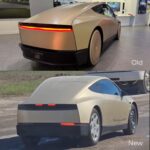
Tesla’s long-awaited Cybercab — the company’s dedicated two-seat robotaxi with no steering wheel or pedals — has cleared a major federal regulatory hurdle. The vehicle recently received its EPA Certificate of Conformity, officially confirming it meets all Clean Air Act emissions standards as a Zero Emission Vehicle (ZEV).
This development, confirmed through public EPA filings in mid-June 2026, unlocks the legal pathway for the Cybercab to be introduced into U.S. commerce. It also revealed the first detailed technical specifications of the production-intent vehicle.
What Is the Tesla Cybercab?
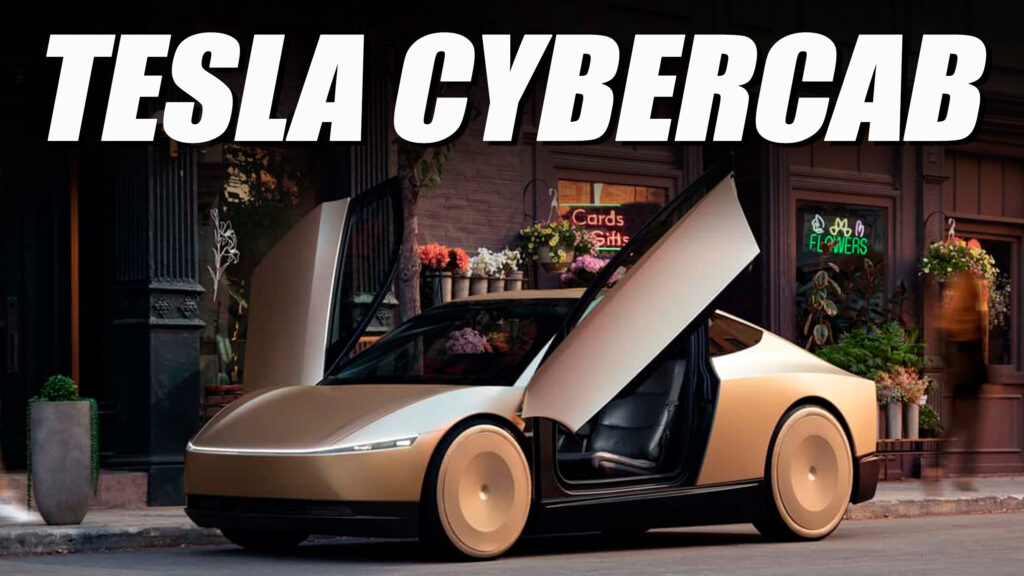
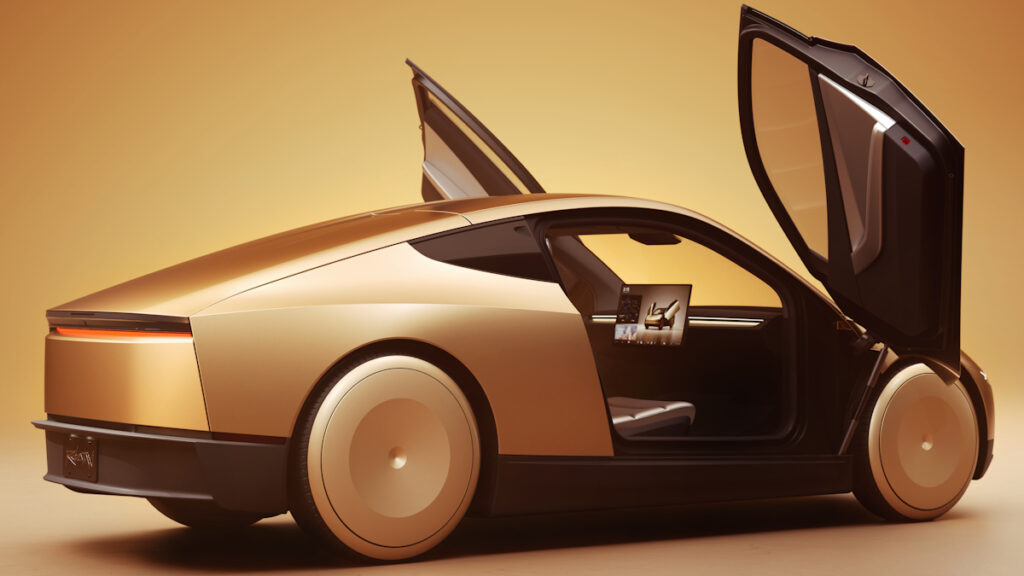
The Cybercab (also referred to as Tesla Robotaxi) is a purpose-built autonomous vehicle designed exclusively for high-volume, low-cost ride-hailing fleets. Unveiled in late 2024 and refined through 2025–2026, it features:
- Butterfly doors for easy access
- Minimalist two-seat interior
- Vision-only autonomy (no lidar or radar reliance in Tesla’s approach)
- Compact dimensions optimized for urban efficiency and high utilization rates
Unlike retrofitted existing models, the Cybercab is engineered from the ground up for unsupervised Level 4/5 autonomy, targeting dramatically lower cost-per-mile than human-driven rides or traditional EVs.
What Does the EPA Certificate of Conformity Mean?
The EPA Certificate of Conformity is a mandatory federal approval verifying that a vehicle complies with emissions and environmental standards under the Clean Air Act before it can be legally sold or operated in the United States.
For the Cybercab:
- Certified as a Zero Emission Vehicle (ZEV)
- Certificate issued around May 26, 2026 (filed May 21)
- Covers the 2026 model year
- Classifies the vehicle for introduction into U.S. commerce
This is a critical box checked for fleet deployment. While it primarily addresses emissions, it signals Tesla is progressing through the regulatory stack needed for commercial robotaxi operations.
Tesla Cybercab Full Specs from EPA Filings
The public EPA documents provide the clearest technical picture yet of the production Cybercab:
Powertrain & Performance
- Single AC 3-phase permanent magnet motor
- 219 horsepower (163 kW)
- Front-wheel drive (FWD)
- Single-speed transmission
Battery & Efficiency
- ~48 kWh lithium-ion battery pack (146 Ah, ~326V)
- Record-low 165 Wh/mi efficiency — among the most efficient EVs ever certified by the EPA
- AC recharge energy: ~53.365 kWh
Weight & Dimensions
- Curb weight: 3,113 lbs (1,412 kg)
- Gross Vehicle Weight Rating (GVWR): 3,730 lbs
Range
- Lab-tested charge-depleting range: ~418 miles combined / ~375 miles highway
- Expected real-world EPA-adjusted range: ~280–300 miles (aligns with Tesla’s earlier guidance)
These numbers confirm Tesla’s focus on extreme efficiency and low operating costs for a vehicle that will spend most of its life in ride-hailing service.
Why This Milestone Matters for Tesla Robotaxi
The EPA approval removes one of the final federal environmental barriers. Combined with:
- Texas’s permissive autonomous vehicle regulations (no strict fleet caps for unsupervised operations)
- Tesla’s ongoing self-certification process for Federal Motor Vehicle Safety Standards (FMVSS)
…it positions the Cybercab for accelerated testing and eventual commercial deployment.
Key remaining steps include:
- Full validation of unsupervised Full Self-Driving (FSD)
- State-level operating permits (beyond Texas)
- Scaling production and charging infrastructure
- Potential initial limited supervised or geo-fenced operations before full unsupervised rollout
Cybercab Production & Real-World Sightings
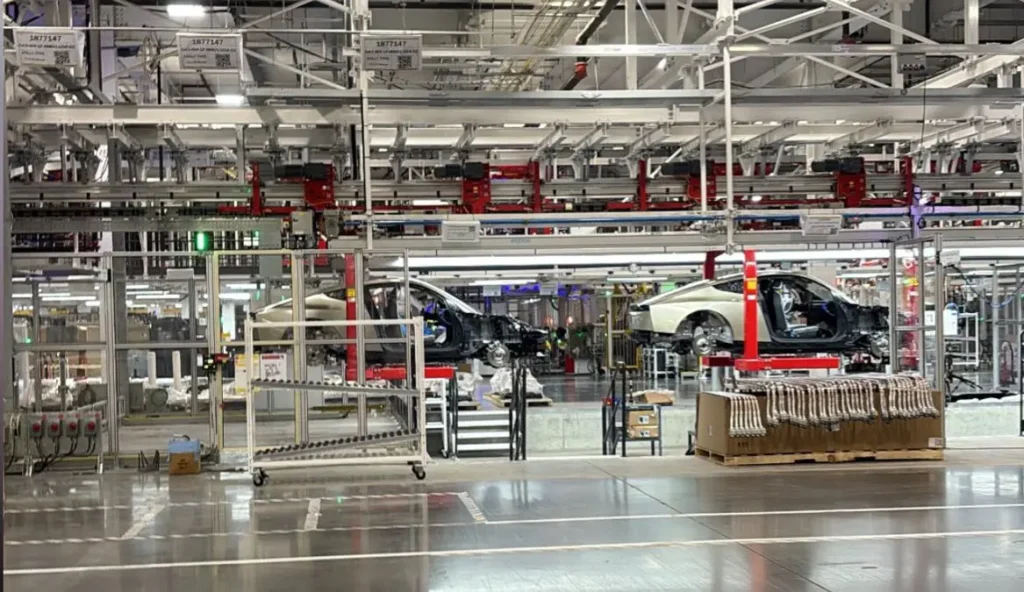
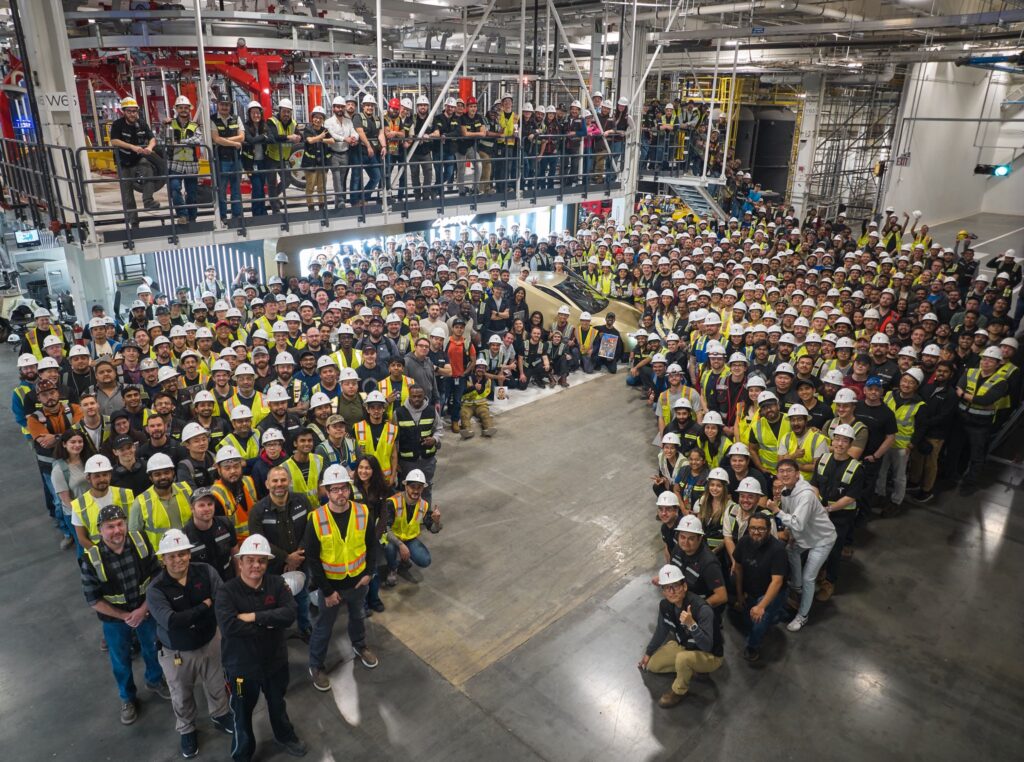
Production is actively ramping at Giga Texas. Recent footage and team photos show multiple Cybercabs on the assembly line, with the first customer-ready units already rolling off. The vehicle has also been spotted on public roads in several U.S. cities, including Orlando, Florida.
Tesla CEO Elon Musk has stated that Cybercab production has begun, with initial units allocated to Tesla’s own robotaxi fleet rather than immediate private sales. Long-term targets include high-volume manufacturing to support millions of vehicles annually at a target price point significantly below $30,000.
Impact on the EV and Mobility Industry
The Cybercab represents a paradigm shift:
- Cost disruption — Designed for ~5–10x lower operating costs than human-driven taxis or current robotaxis.
- Efficiency leadership — 165 Wh/mi sets a new benchmark.
- Design philosophy — Purpose-built autonomy (no controls) forces regulators and the industry to adapt.
Competitors like Waymo and Cruise use modified existing vehicles with lidar-heavy sensor stacks. Tesla’s vision-only, low-cost approach could accelerate the economics of robotaxis if regulatory and safety validation proceed smoothly.
For enthusiasts and the broader tech community, the Cybercab also showcases advanced camera and sensor fusion technology at scale — directly relevant to the future of imaging, computer vision, and edge AI in mobility.
FAQ: Tesla Cybercab EPA Certificate & Robotaxi
When will the Cybercab be available for robotaxi rides?
Tesla has not given an official public launch date. Regulatory approval, unsupervised FSD validation, and production scale-up are the main remaining gates. Limited operations could begin in select markets (starting with Texas) as early as late 2026 or 2027.
Can I buy a Cybercab for personal use?
Initial production is prioritized for Tesla’s own fleet. Private ownership may come later, but the vehicle is fundamentally designed as a robotaxi.
How efficient is the Cybercab compared to other EVs?
At 165 Wh/mi, it is currently one of the most efficient production EVs ever certified by the EPA — significantly better than most passenger cars.
Does the lack of steering wheel/pedals create regulatory issues?
Tesla is navigating this through self-certification and state-level AV laws. Texas already permits unsupervised commercial AV operations without traditional controls. Federal safety standards remain the key ongoing discussion.
Final Thoughts
The EPA Certificate of Conformity for the Tesla Cybercab is more than a paperwork milestone — it is tangible proof that Tesla’s radical robotaxi vision is moving from concept to certified, producible hardware.
With detailed specs now public, production visibly underway, and real-world sightings increasing, the countdown to unsupervised robotaxis has entered its most exciting phase yet.