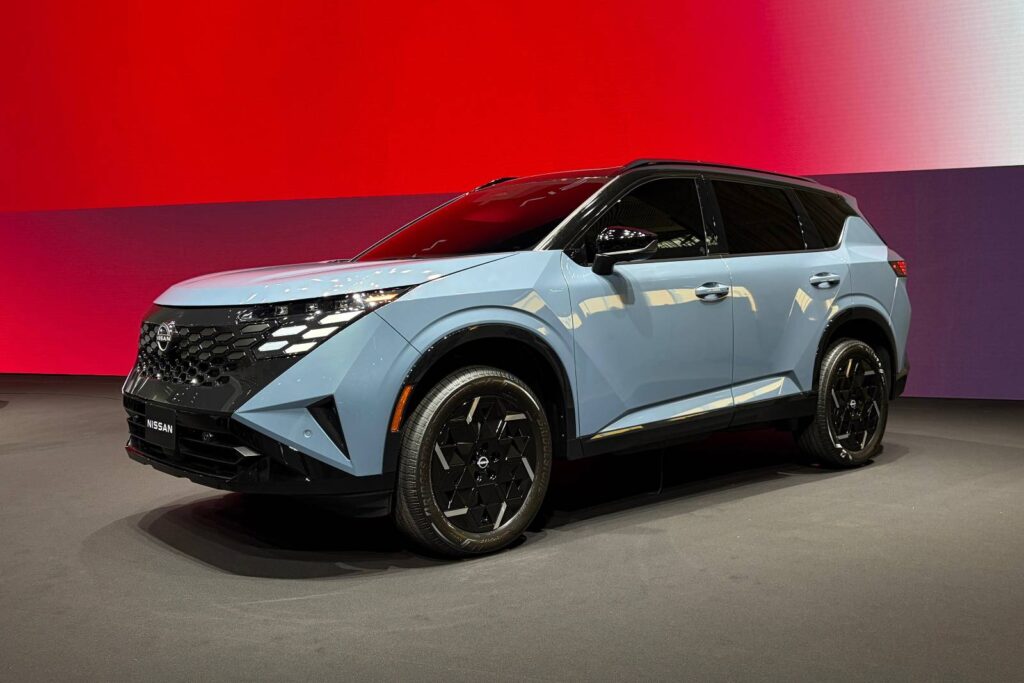
Nissan has officially pulled the wraps off the 2027 Rogue Hybrid, a next-generation compact SUV engineered to go head-to-head with the segment’s best-sellers: the Honda CR-V Hybrid and Toyota RAV4 Hybrid. What sets this new Rogue apart isn’t just fresh styling—it’s Nissan’s innovative e-Power series-hybrid system making its U.S. debut, promising smoother, more responsive performance that feels closer to an electric vehicle than traditional gas-electric hybrids.
Why the 2027 Nissan Rogue Hybrid Matters in the Compact SUV Segment
The compact crossover market is fiercely competitive, with the Honda CR-V Hybrid dominating sales charts and the Toyota RAV4 Hybrid now offered exclusively as a hybrid. Nissan wants a bigger slice of that pie. For 2027, the Rogue will launch exclusively as a hybrid, with the current gas-only model continuing in production for now. A non-hybrid version of the new-generation Rogue will join the lineup later, but Nissan expects the hybrid to quickly become the volume leader—just like what’s happening at Honda and Toyota.
This isn’t Nissan’s first hybrid Rogue. The 2026 model was a stopgap plug-in hybrid based on the Mitsubishi Outlander PHEV. The 2027 version is an all-new, in-house design built around the e-Power architecture that Nissan has refined in global markets and is now bringing stateside with extra power and standard all-wheel drive.
e-Power Series-Hybrid: A Different Approach to Hybrid Power
Here’s where the 2027 Nissan Rogue Hybrid gets interesting—and different from its rivals.
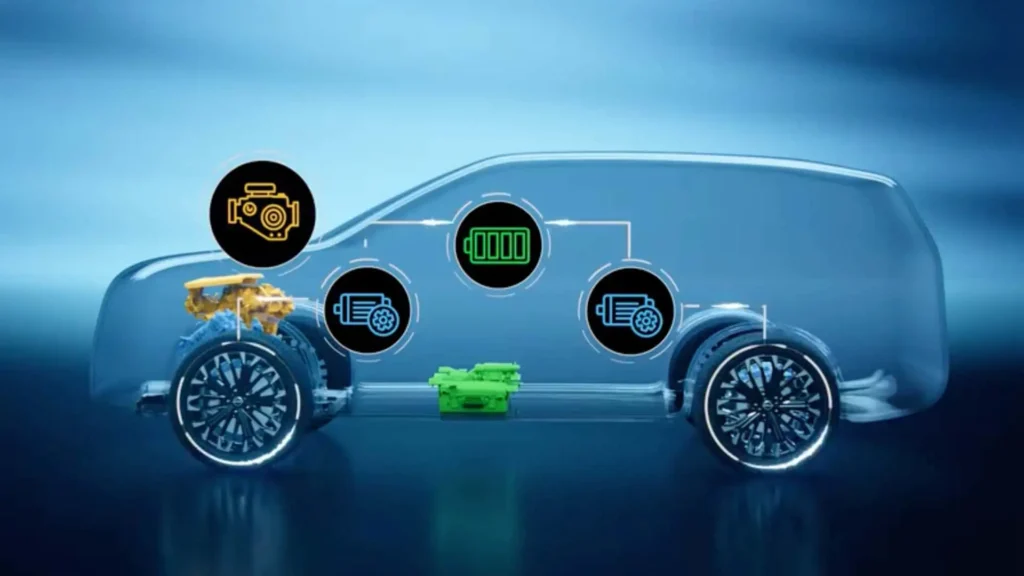
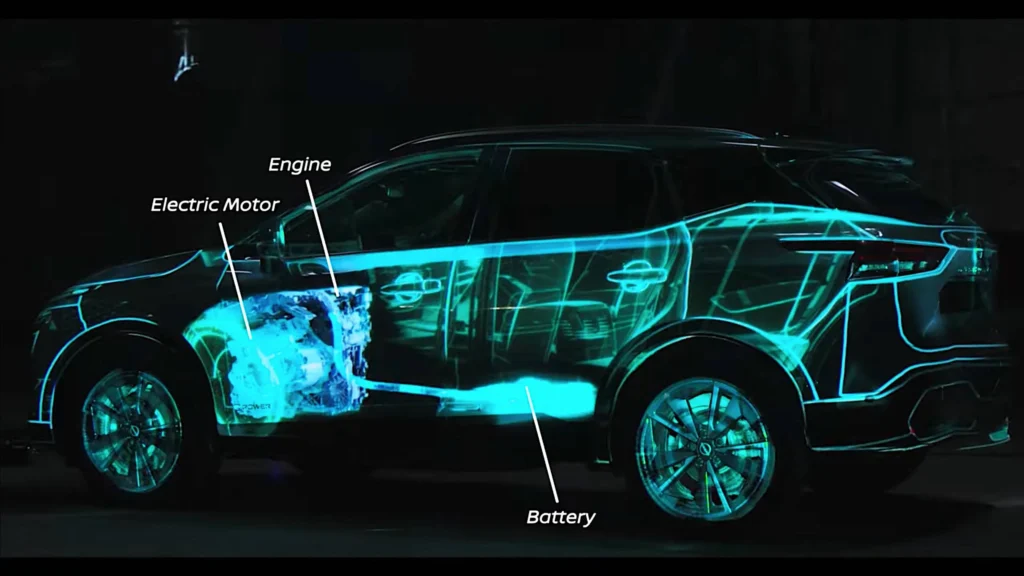
Most hybrids, including the CR-V and RAV4, use a parallel hybrid setup where the gasoline engine and electric motors can both drive the wheels directly. Nissan’s e-Power system works like a series hybrid:
- The gasoline engine runs only as a generator to produce electricity.
- That electricity charges a small onboard battery.
- Two electric motors (one at the front, one at the rear) deliver power to the wheels—100% of the time.
The result? Instant torque, whisper-quiet operation at low speeds, and acceleration that feels more like an EV than a conventional hybrid. Nissan says the U.S.-spec version will be more powerful than the Europe-market e-Power models already on sale, and the dual-motor setup delivers true all-wheel drive without a mechanical connection between the engine and wheels.
While exact horsepower, torque, battery size, and MPG figures haven’t been released yet, early driving impressions of the e-Power system in other vehicles describe it as smooth and responsive with none of the engine drone typical in many hybrids.
Fresh Styling and Expected Tech Upgrades
Visually, the 2027 Rogue Hybrid keeps the familiar two-row, five-seat footprint but gets a complete refresh at both ends. Highlights include:
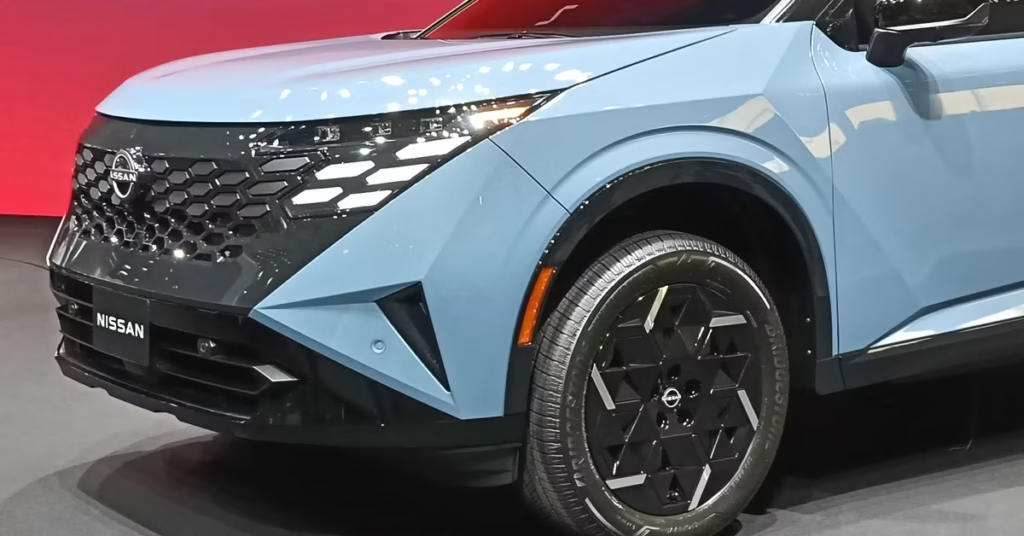
- New front-end design with distinctive headlights integrated into the grille.
- Updated rear with grid-style taillights that echo a design motif on the D-pillar.
- Slightly larger overall proportions (exact dimensions still under wraps).
Inside, expect bigger digital displays and the latest Nissan connectivity features, though full interior details will come closer to launch. The focus remains on comfort, family-friendly space, and intuitive controls that have helped the Rogue stay popular with American buyers.
When Will the 2027 Nissan Rogue Hybrid Arrive?
Nissan says the new hybrid will reach U.S. showrooms by the end of 2026 (as a 2027 model year vehicle). Pricing hasn’t been announced, but it will likely land in the same ballpark as the current CR-V and RAV4 hybrids to remain competitive.
How It Stacks Up Against the Honda CR-V Hybrid and Toyota RAV4 Hybrid
- Honda CR-V Hybrid: Strong sales leader with a refined parallel hybrid system, excellent fuel economy, and spacious cabin. The Rogue’s series-hybrid promises more EV-like refinement.
- Toyota RAV4 Hybrid: Now hybrid-only, known for reliability, AWD capability, and value. Nissan counters with its unique powertrain and modern styling.
- Nissan’s Edge: The e-Power system’s electric-only drive feel could appeal to buyers who want hybrid efficiency without the “hybrid” driving characteristics they don’t love. Plus, standard dual-motor AWD could be a differentiator.
What This Means for Buyers and the Market
With hybrids now accounting for the majority of sales in this segment, Nissan’s full commitment to the e-Power Rogue Hybrid signals confidence that buyers want electrified efficiency without the range anxiety or charging infrastructure demands of full EVs. It also gives Nissan a fresh weapon in a market where the Rogue has long been a solid but not class-leading player.
More details—official power figures, fuel-economy ratings, and full pricing—are expected in the coming months. In the meantime, the 2027 Nissan Rogue Hybrid looks poised to shake up the compact hybrid SUV leaderboard with a powertrain that thinks (and drives) differently.
Stay tuned to usonwheels.com for the latest updates on the 2027 Nissan Rogue Hybrid, full comparison tests, and everything you need to know before it hits dealer lots.