Tesla’s purpose-built Cybercab robotaxis have been spotted operating in Las Vegas, Nevada, less than 10 days after the company filed for a major Autonomous Vehicle Network Company permit that could allow up to 5,000 vehicles in Clark County.
Tesla is moving at remarkable speed toward commercial robotaxi operations. On June 14, 2026, photos of multiple Tesla Cybercab vehicles circulating in Las Vegas went viral on X (formerly Twitter), shared by accounts including Teslarati and TeslaZoa. The sightings come just days after Tesla Robotaxi, LLC submitted its application for an Autonomous Vehicle Network Company (AVNC) permit with the Nevada Transportation Authority.
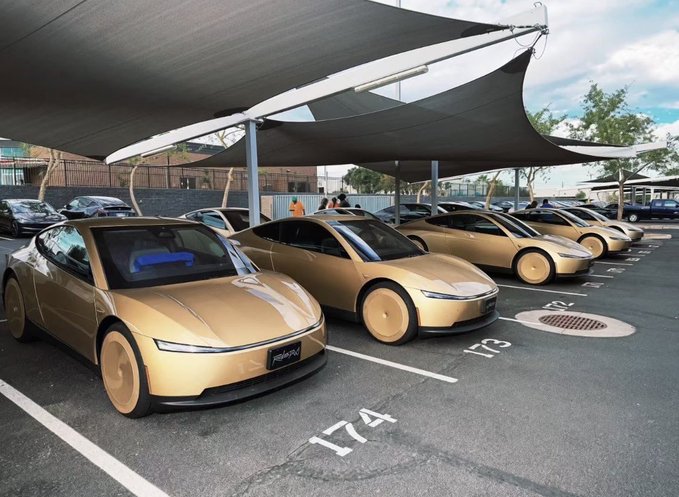
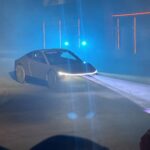
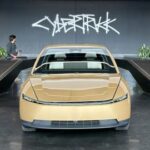
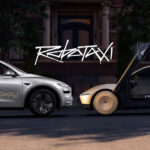
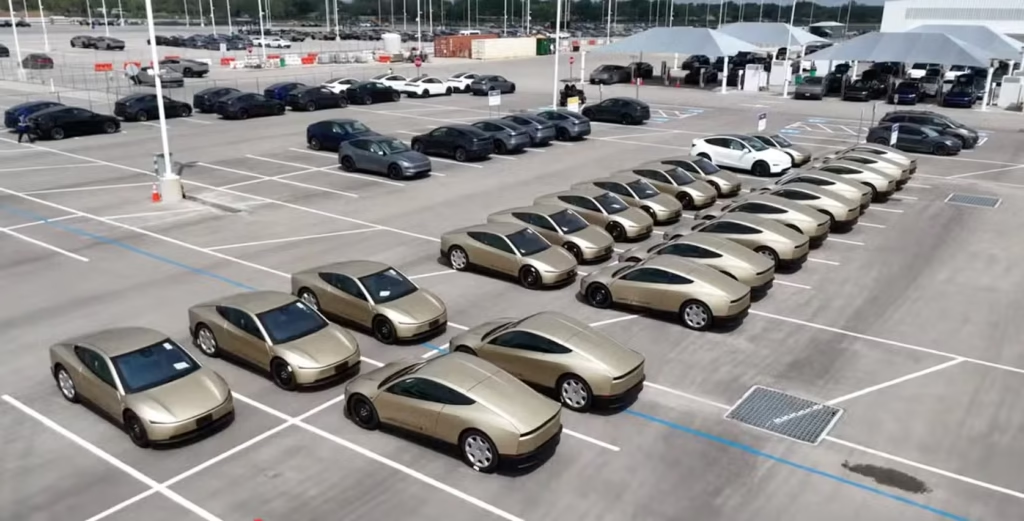
Tesla Cybercab fleet spotted in Las Vegas (June 2026). These images quickly spread across X and EV communities.
The Sighting That Has Everyone Talking
Multiple golden Cybercab vehicles were photographed in the Las Vegas area, specifically near Patrick Lane and Mohawk Street — the same zone where Tesla is actively developing dedicated robotaxi support infrastructure. Some sightings show the vehicles with California manufacturer plates, and reports indicate at least some were operating with safety drivers during this phase.
The sleek, purpose-built design (no steering wheel or pedals in the production version) stands out dramatically from Tesla’s current Model 3/Y/S/X lineup. These are the first widely shared public sightings of actual Cybercab fleet activity in Nevada.
Tesla Files for Major Nevada Robotaxi Permit
On or around June 5, 2026, Tesla Robotaxi, LLC filed Docket 26-05015 with the Nevada Transportation Authority for an Autonomous Vehicle Network Company permit.
Key details from the application:
- Permission to operate up to 5,000 robotaxis in Clark County during the first 12 months after approval.
- Service coverage includes Harry Reid International Airport and Henderson Executive Airport.
- Public comment/protest period runs until July 5, 2026.
This is the critical final regulatory step before Tesla can offer paid autonomous rides in Nevada. The company already secured earlier Nevada DMV approvals in 2025 for public road testing and self-certification of autonomous vehicles.
The timing is striking: less than 10 days after filing, clear evidence of Cybercab fleet activity appeared on Las Vegas streets.
Dedicated Cybercab Infrastructure Already Under Construction
Tesla isn’t just testing vehicles — it’s building the physical backbone for large-scale operations.
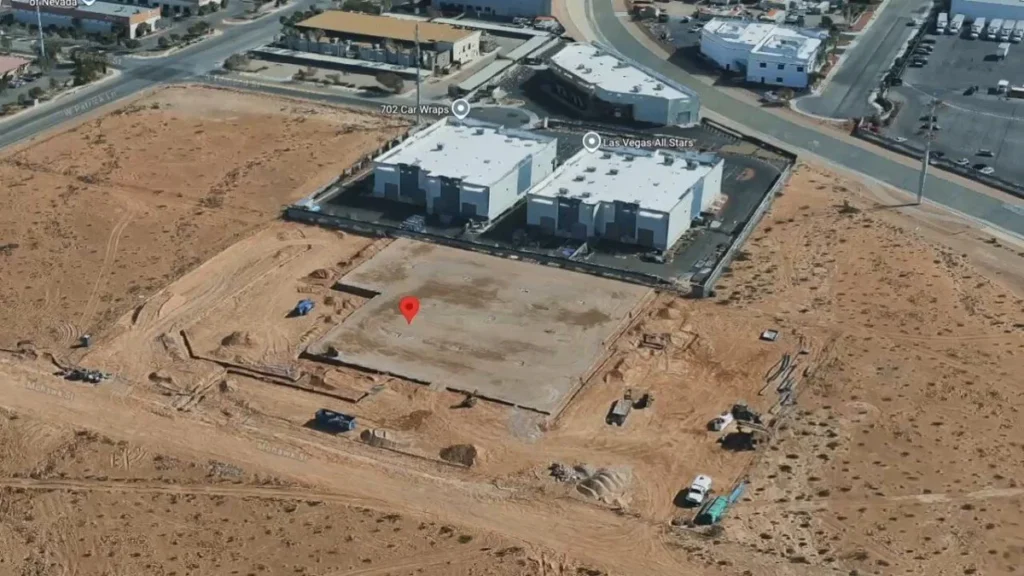
In May 2026, the company filed permits for a 36,000-square-foot “Tesla Center Mohawk Cybercab Phase 2 Car Wash” at 6170 Mohawk Street in Clark County. The facility includes:
- Multiple wash bays
- Service bays
- Dozens of dedicated parking stalls
Satellite imagery and permit documents show construction is already well underway.
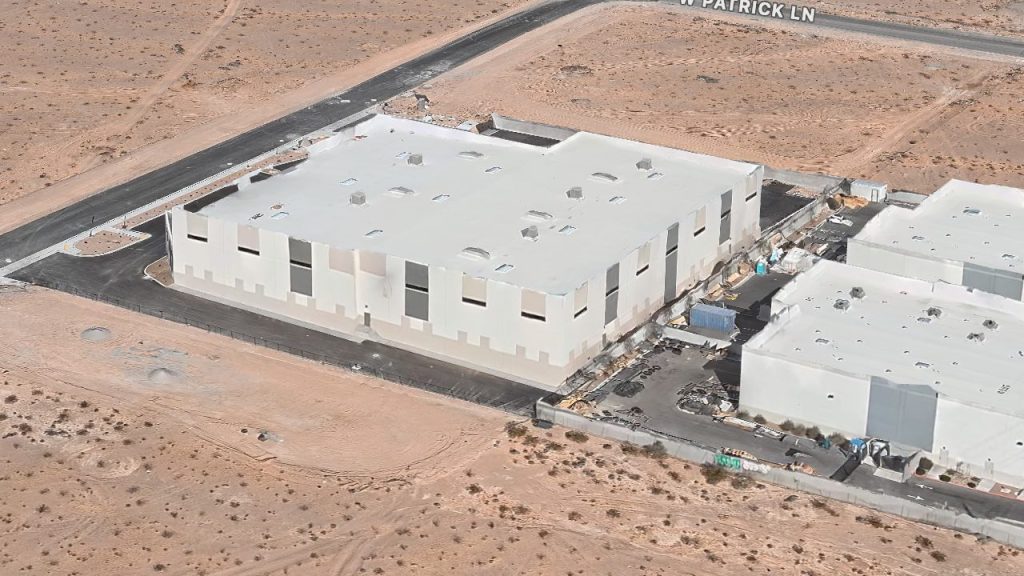
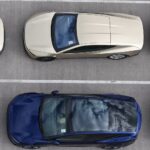
Aerial view of Tesla’s dedicated Cybercab support facility under construction near Mohawk Street / Patrick Lane in Las Vegas.
Why is a specialized car wash so important? Fully autonomous vehicles like the Cybercab rely entirely on cameras and sensors. Without a human driver to wipe lenses or handle maintenance, Tesla needs automated, high-volume cleaning infrastructure to keep the fleet operational 24/7.
What This Means for Tesla’s 2026 Robotaxi Plans
Tesla first unveiled the Cybercab in October 2024 as a sleek, low-cost, purpose-built autonomous vehicle. The company has repeatedly stated plans to begin unsupervised robotaxi operations in 2026.
Las Vegas was explicitly named in Tesla’s Q4 2025 shareholder update as one of the initial rollout cities (alongside Phoenix, Miami, Orlando, Tampa, Dallas, and Houston). Austin was listed as “ramping unsupervised” while the Bay Area remained in safety-driver mode.
The combination of:
- Rapid permit filing
- Visible fleet activity
- Purpose-built maintenance infrastructure
…suggests Tesla is executing its 2026 timeline more aggressively than many analysts expected.
Las Vegas: A Strategic Choice for Robotaxi Launch
Las Vegas offers several advantages for early robotaxi deployment:
- High volume of short, repeatable trips (Strip, downtown, airport)
- Tourist-heavy market willing to try new technology
- Nevada’s relatively progressive autonomous vehicle regulatory framework
Note that Zoox (Amazon-owned) is already operating fully driverless robotaxis on the Las Vegas Strip, giving Tesla a direct competitor in the same market.
Key Takeaways & What to Watch Next
- Speed of execution: From permit application to visible fleet activity in under 10 days.
- Infrastructure first: Tesla is building dedicated support facilities before full commercial launch.
- Regulatory milestone: The July 5, 2026 comment deadline is the next major checkpoint.
- Production reality: These are not modified Model Ys — they are purpose-built Cybercabs.
What’s next?
Watch for:
- Approval (or protests) on the AVNC permit
- More widespread sightings without safety drivers
- Potential limited paid robotaxi service in Las Vegas later in 2026
Tesla continues to demonstrate that when it decides to move on to autonomy, it moves extremely fast — often faster than regulators and competitors can comfortably react.
Would you ride in a Tesla Cybercab in Las Vegas? Drop your thoughts in the comments.