Ferrari has officially entered the electric vehicle era with the Ferrari Luce, and the Chinese market has spoken loudly. On Friday in Shanghai, the Italian marque launched its first production battery-electric car, and all 88 allocated units sold out almost immediately at a starting price of 3.988 million yuan (approximately $586,600 USD or roughly ₹4.67 crore).
The rapid sell-out, despite widespread online criticism of the car’s unconventional styling, highlights the enduring power of the Ferrari brand, exclusivity, and ultra-luxury performance in the world’s largest EV market.
What Is the Ferrari Luce?
The Luce (Italian for “light”) is Ferrari’s first series-production electric vehicle. It made its global debut in Rome in late May 2026 before its China-specific launch and allocation event in Shanghai.
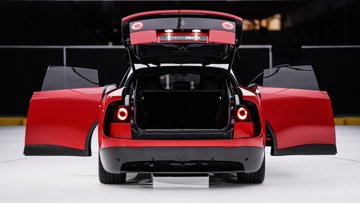
Unlike traditional mid-engine Ferraris, the Luce is a four-door, five-seater grand tourer built on a dedicated electric platform. It combines supercar-level performance with genuine everyday usability and spaciousness — something Ferrari has never offered before in a production car.
It was designed in collaboration with Sir Jony Ive and Marc Newson’s creative collective LoveFrom (the former Apple design chief’s studio). This partnership has created one of the most talked-about — and polarizing — designs in recent automotive history.
Design: Bold, Minimalist, and Highly Controversial
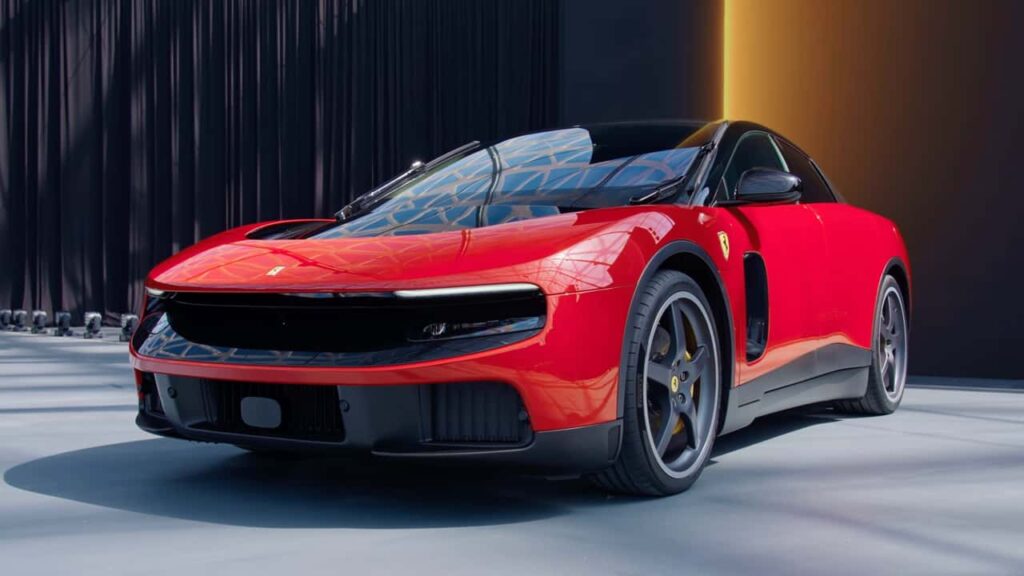
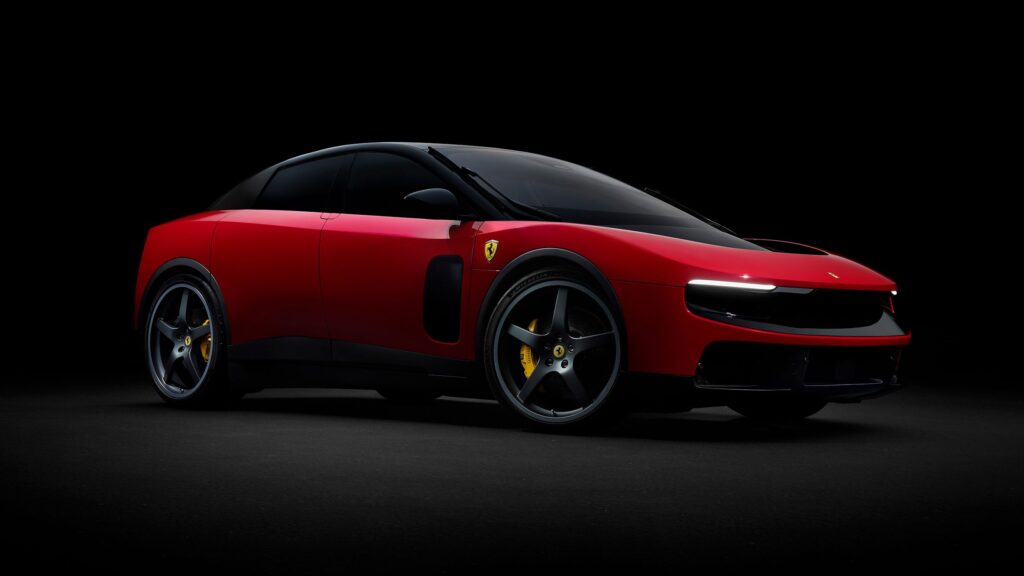
The Luce features a sculpted, shell-like form with smooth, uninterrupted surfaces, a dramatically low roofline, and a minimalist aesthetic. Traditional Ferrari aggression is replaced by refined simplicity and modern proportions.
Key design highlights:
- Clean front end with slim LED daytime running lights
- Distinctive side profile with minimal character lines
- Rear design that prioritises aero efficiency
- Available in striking colours, with red versions appearing especially dramatic in recent photos and launch imagery
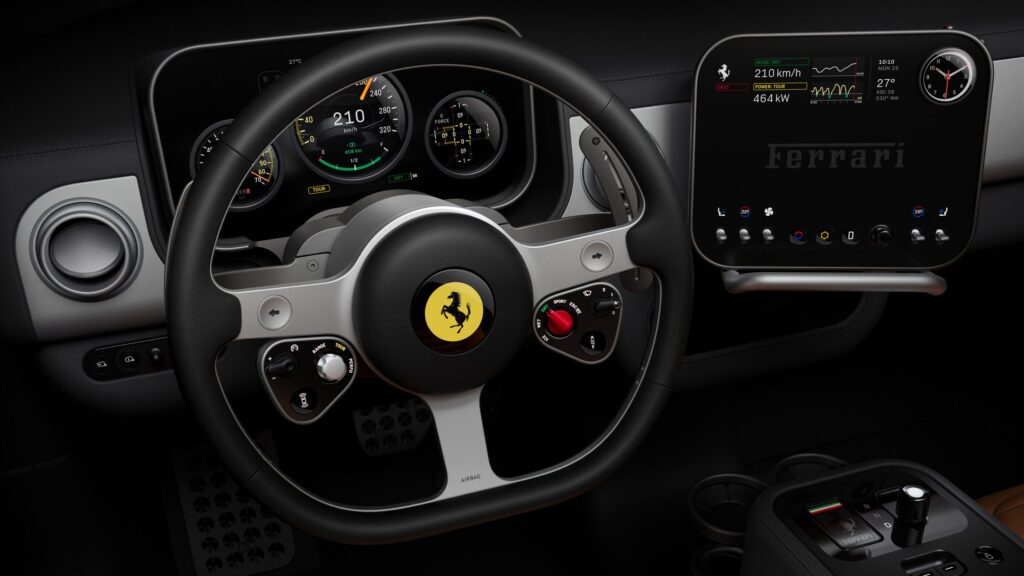
Online reaction has been sharply divided. Many enthusiasts and social media users (including viral posts on X) have called the design “not a Ferrari,” “ugly,” or even compared it to older or unexpected shapes. Others appreciate the brave new direction and the interior’s focus on tactility over giant touchscreens.
Ferrari’s official stance emphasises clarity, coherence, and a singular design language that unites exterior, interior, and interface.
Performance & Specifications
The Luce delivers proper Ferrari performance credentials:
- Powertrain: Four independent electric motors (quad-motor all-wheel drive)
- Power: Approximately 1,035 hp (772 kW), with boost mode pushing toward 1,050+ hp
- Torque: 990 Nm
- Acceleration: 0-100 km/h in 2.5 seconds
- Top speed: Around 310 km/h
- Battery: 122 kWh (800V architecture, pouch cells from SK On)
- Range: Up to 530 km (329 miles) WLTP
- Charging: Up to 350 kW DC (significant range added in ~20 minutes)
- Weight: Approximately 2,260 kg
- Other features: Active suspension, four-wheel steering, advanced torque vectoring, and the lowest drag coefficient in Ferrari history
One notable detail: Ferrari has engineered an authentic amplified sound system. Sensors capture electro-mechanical vibrations from the axles, which are then equalized and played through the audio system (especially in Manual and Performance modes) to give drivers the emotional feedback expected from a Ferrari.
Why Did All 88 China Units Sell Out So Fast?
Despite the design debate, demand was overwhelming:
- Exclusivity — Only 88 cars allocated for China
- Brand power — The Prancing Horse still commands immense status among wealthy buyers
- Performance promise — Ferrari insists it drives like a true Ferrari
- China’s luxury market — Strong appetite for ultra-exclusive European EVs among high-net-worth individuals
This mirrors patterns seen with other ultra-luxury launches where limited supply + brand cachet outweighs initial aesthetic criticism (think certain limited-edition hypercars or even the Cybertruck’s early reception).
Interior: Where the Design Shines
Many reviewers and early reactions praise the cabin more than the exterior. The interior uses a simplified, rationalised approach with tactile physical controls (buttons, dials, switches) alongside digital displays — a deliberate move away from giant touchscreens.
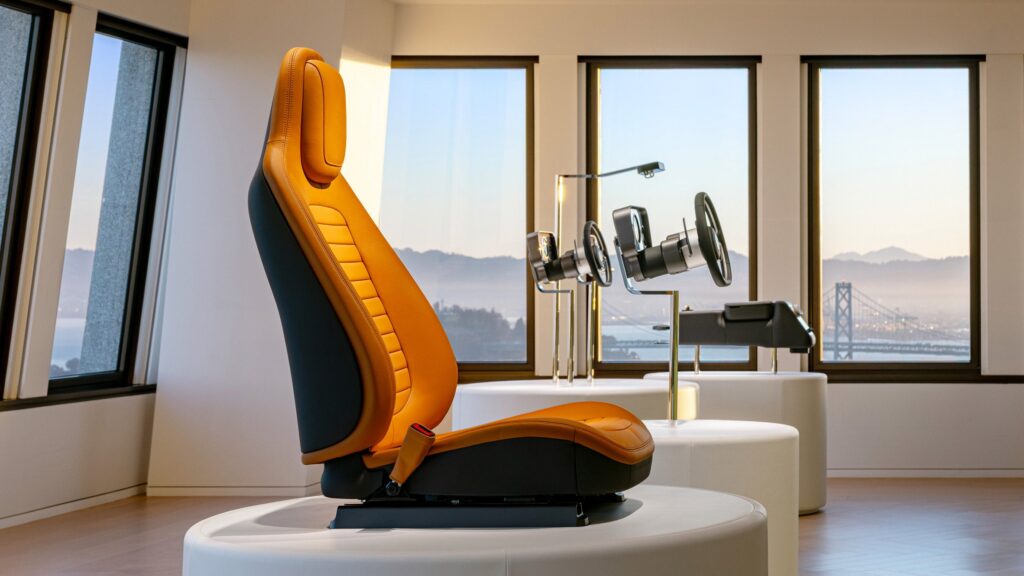
High-quality materials, excellent ergonomics, and a focus on the driving experience define the space. It’s described as the most comfortable and versatile Ferrari ever built, with true five-seat usability.
What This Means for Ferrari’s Future
The Luce represents a major strategic step. Ferrari is not abandoning internal combustion (the brand has been vocal about continuing ICE models for years), but the Luce proves it can deliver a compelling electric vehicle without compromising its core values of performance and engagement.
Future electric Ferraris are expected to follow, likely in different body styles. The brand’s long-term support promise for high-voltage components (batteries, motors, etc.) also aims to reassure buyers about longevity and residual value.
Final Thoughts
The Ferrari Luce China launch and instant sell-out prove one thing clearly: for the right buyer, brand heritage, exclusivity, performance, and the emotional experience of owning a Ferrari still matter more than conventional beauty or consensus design opinions.
Love the looks or hate them, the Luce has already made history as Ferrari’s first electric production car — and it sold out before most people outside China even saw it in person.
Would you buy one if allocations opened in your market? Or do you think Ferrari should have stuck closer to traditional design language? Let us know in the comments.