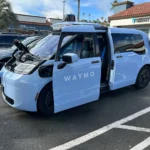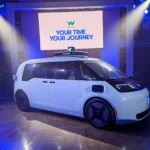
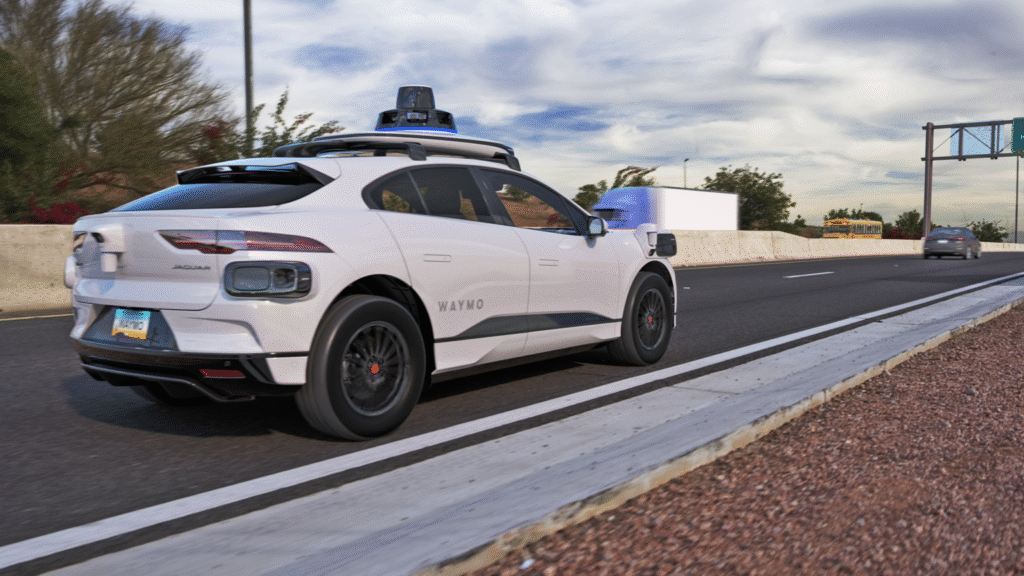
Waymo has pulled its robotaxis from the Uber app in Phoenix, Arizona, ending a productive but ultimately temporary nearly three-year partnership. Riders in the city can no longer request a Waymo autonomous vehicle through Uber and must now use the dedicated Waymo One app instead.
The move marks a significant shift in the robotaxi landscape, highlighting how leading autonomous vehicle companies are prioritising direct customer relationships, brand control, and higher margins as their technology and user bases mature.
What Exactly Happened?
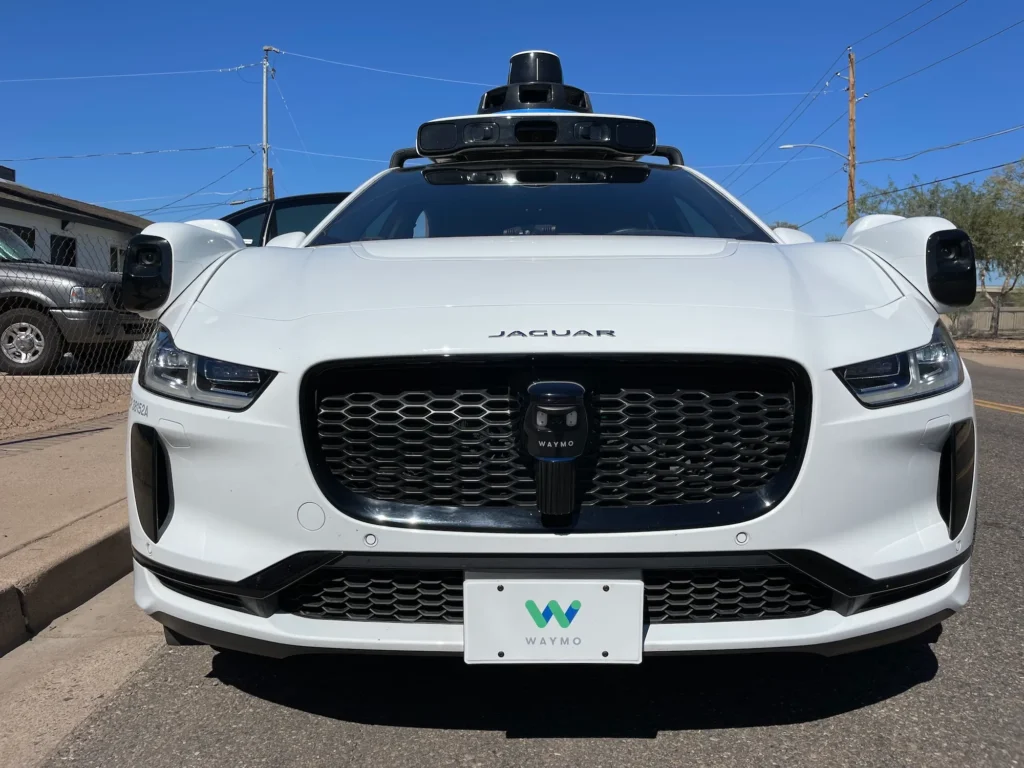
On June 29, 2026, EV and tech news account Sawyer Merritt reported that Waymo robotaxis are no longer available in Phoenix via the Uber app. Both companies confirmed the end of the partnership.
Waymo stated:
“This was a productive pilot that paved the way for future expansions and partnerships across the globe. After hundreds of thousands of trips with Uber, we have integrated these vehicles back into our Phoenix fleet, where they will continue to serve riders through Waymo.”
Uber updated its Phoenix autonomous rides page to state that “Autonomous Uber rides are not yet available in Phoenix,” directing users to regular human-driven rides instead.
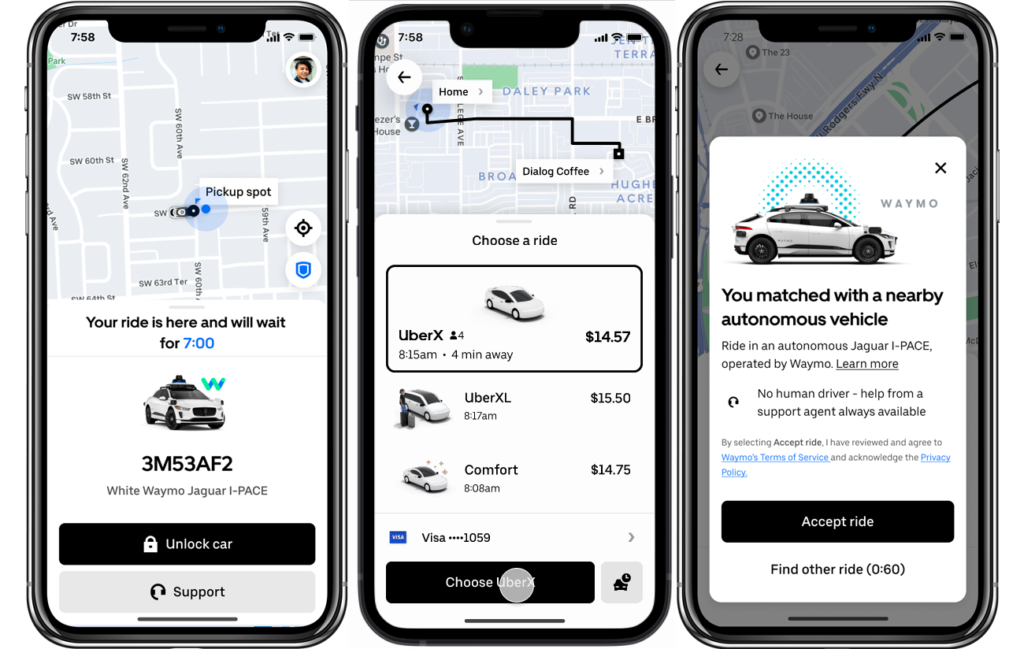
The partnership, which began with an announcement in May 2023 and public launch in October 2023, allowed Uber users in metro Phoenix to be matched with Waymo’s fully driverless Jaguar I-PACE vehicles for rides and later Uber Eats deliveries.
Background: A Successful Pilot That Served Its Purpose
The collaboration was groundbreaking at the time. Waymo (Alphabet’s self-driving subsidiary) had been operating its own robotaxi service in Phoenix since 2020, but partnering with Uber gave it access to Uber’s massive rider base and app infrastructure. This helped Waymo scale trips quickly in its largest and most mature market.
Key milestones:
- May 2023: Partnership announced as multi-year strategic deal.
- October 2023: Waymo vehicles became bookable via Uber app in Phoenix (initially for UberX, Comfort, and Electric categories).
- 2024: Expanded to include driverless Uber Eats deliveries.
- Hundreds of thousands of trips completed together.
The pilot proved the technical and operational viability of integrating Level 4 autonomous vehicles into a major ride-hailing platform. However, as Waymo’s own app gained traction and its fleet grew, the need for the Uber middleman in Phoenix diminished.
Why Did Waymo End the Partnership in Phoenix?
Several strategic reasons likely drove the decision:
- Direct Customer Ownership — Waymo now controls the full rider experience, data, feedback loops, and branding.
- Better Economics — Avoiding revenue-sharing with Uber improves margins on each trip.
- Mature Brand & App — In Phoenix (Waymo’s oldest market), many riders are comfortable downloading and using the Waymo app directly.
- Operational Simplicity — Managing vehicles exclusively within Waymo’s own system reduces complexity.
- Proven Demand — The pilot successfully introduced thousands of new riders to robotaxis; Waymo can now convert them to direct users.
This is a classic “bootstrap then graduate” strategy seen in many tech platforms. Uber provided the initial scale; Waymo is now harvesting it directly.
Impact on Phoenix Riders
For most people, the change is straightforward but requires one extra app:
- Before: Open Uber → See Waymo option (when available) → Matched with driverless Jaguar I-PACE.
- Now: Download/open Waymo app → Book directly. Waymo continues full commercial service across a large portion of metro Phoenix.
Pros of the change:
- More consistent Waymo-branded experience.
- Potentially faster matching for frequent Waymo users.
- No mixing of human-driven and autonomous options in one app (some riders prefer this separation).
Cons:
- Extra app for occasional users who liked having everything in Uber.
- Slightly less convenience for people who rarely use robotaxis.
Waymo’s service remains highly rated for safety and smoothness in Phoenix, with the company emphasizing its decade-plus of testing and real-world miles.
Broader Implications for Robotaxis and Ride-Hailing
This development carries important signals for the entire autonomous vehicle industry:
- Direct-to-consumer is winning in mature markets — Once an AV operator has strong brand recognition and app adoption, relying on a third-party platform becomes less attractive.
- Uber’s robotaxi strategy faces a test — While Uber still has Waymo integrations in Austin and Atlanta (and continues exploring other AV partnerships), losing Phoenix — one of the most advanced robotaxi cities — is notable. Uber’s website currently shows no autonomous option there.
- Tesla and other AV players are watching — Tesla’s planned Cybercab robotaxi is expected to operate primarily through its own app and network. The Waymo-Uber split reinforces the value of owning the full rider relationship.
- Economics of autonomy are shifting — As utilisation rates rise and costs per mile fall, the party that controls the customer and the vehicle captures more value.
Waymo continues aggressive expansion. As of mid-2026, it operates in multiple U.S. metro areas with thousands of vehicles and hundreds of thousands of weekly paid rides.
How to Book a Waymo Robotaxi in Phoenix Now
- Download the Waymo app (iOS or Android).
- Create an account and verify your identity.
- Set your pickup and drop-off locations within the service area.
- Request a ride — you’ll be matched with a fully driverless Jaguar I-PACE.
- Track the vehicle in real time and unlock it via the app when it arrives.
Waymo also offers subscription options in some markets for frequent riders.
FAQ
Is the entire Waymo-Uber partnership over?
No — only the Phoenix integration has ended. Waymo vehicles remain available via the Uber app in Austin and Atlanta for now.
Will Uber bring autonomous rides back to Phoenix?
Uber’s current messaging says autonomous rides are “not yet available” and it is “always working to add new markets.” Future plans are unclear.
Are Waymo rides still safe and reliable?
Waymo maintains one of the strongest safety records among robotaxi operators, with millions of autonomous miles logged. The company continues to expand because of proven real-world performance.
What does this mean for Tesla’s robotaxi plans?
It underscores that controlling both the vehicle technology and the rider app/platform is strategically powerful — a model Tesla appears to be pursuing with its upcoming Cybercab.
Final Thoughts
The end of the Waymo-Uber partnership in Phoenix is not a failure — it’s a graduation. The pilot successfully proved that robotaxis can scale with the help of an established platform. Now Waymo is taking the next logical step: owning the relationship directly with riders in its strongest market.
As the robotaxi industry matures, expect more vertical integration and direct models from the leaders. For Phoenix residents, the transition is simple: open the Waymo app and keep enjoying driverless rides. For the rest of the industry, it’s a clear signal that the future belongs to those who control the full stack.